
Ensuring Optimal Hydration for Children: Health Impacts, Daily Requirements, and Practical Strategies for Parents

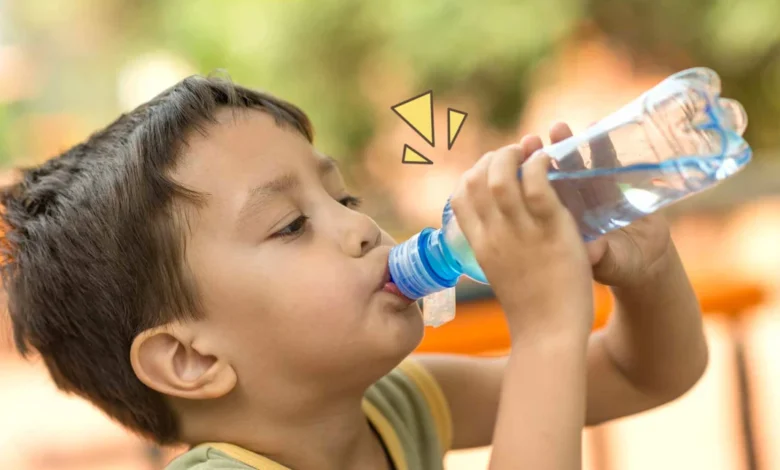
The critical role of hydration in pediatric health and development has long been an overlooked component of routine parenting, often sidelined in favor of nutritional focus on solid foods. However, recent public health studies and pediatric guidelines underscore that water is a foundational element required to maintain metabolic functions, prevent fatigue, and sustain physiological balance in growing bodies. According to research published in the American Journal of Public Health, maintaining adequate water consumption in children and adolescents directly correlates with sustained healthy weight management, a reduction in dental complications, and enhanced cognitive performance.
Children possess a higher susceptibility to fluid deficits compared to adults. Their physiological composition features a greater percentage of total body water, and their high levels of physical activity accelerate fluid loss through perspiration. Consequently, pediatric healthcare advocates emphasize that parents must proactively monitor and manage daily fluid intake to mitigate the onset of dehydration and associated complications.

Physiological Importance and the Implications of Dehydration
Water acts as the primary medium for metabolic transport, temperature regulation, and cellular function. When children fail to consume adequate fluids relative to their energy expenditure and environmental exposure, the body initiates compensatory mechanisms that can quickly escalate from mild discomfort to severe medical emergencies.
Data from the National Center for Biotechnology Information (NCBI) outlines the clinical progression of pediatric dehydration. Initial symptoms typically manifest as excessive thirst and dry mucous membranes. As the fluid deficit deepens, children may exhibit dark-colored urine, dizziness, and cognitive confusion. In more severe instances, dehydration leads to oliguria—a clinically significant reduction in urine output—and tachycardia, a condition characterized by an abnormally elevated resting heart rate.
Beyond acute physical distress, chronic mild dehydration impairs cognitive flexibility, attention spans, and short-term memory retrieval in school-aged children. Because a well-hydrated child experiences optimized cerebral blood flow and efficient thermal regulation, maintaining consistent fluid intake is directly linked to academic engagement and physical endurance.

Establishing Daily Fluid Requirements Across Pediatric Demographics
Fluid requirements are not static; they scale incrementally as a child matures, developing alongside changes in body mass, metabolic rate, and physical activity levels. While exact requirements vary significantly based on individual metabolism, ambient temperature, and humidity, pediatric health organizations provide baseline estimations to guide caregivers.
For toddlers and young children, baseline intake primarily revolves around maintaining cellular turgor and supporting rapid neurological development. As children transition into middle childhood and adolescence, extracurricular sports and active play demand heightened vigilance regarding fluid replenishment. For instance, pediatric sports medicine guidelines suggest that children aged 9 to 12 engaged in rigorous athletic training should consume between 80 milliliters and 230 milliliters of water every 20 minutes to offset sweat losses and maintain cardiovascular stability.
Environmental factors also play a decisive role. High ambient temperatures necessitate upward adjustments in daily fluid targets, as insensible water loss through the skin and respiratory tract increases substantially, even in the absence of vigorous physical exertion.
Practical Frameworks for Parents to Encourage Hydration
Integrating adequate fluid consumption into a child’s daily routine often requires shifting from passive availability to active, engaging strategies. Pediatric nutritionists and behavioral specialists recommend several evidence-based approaches to normalize healthy hydration habits without inducing mealtime or beverage fatigue.
1. Gamification and Visual Appeal
Children respond positively to novelty and sensory engagement. Utilizing brightly colored reusable water containers, cups featuring preferred cartoon characters, or containers with integrated time-marker goals transforms the act of drinking from a chore into an interactive experience. By removing the dynamic of parental coercion, children learn to associate hydration with personal autonomy.
2. Flavor Enhancements and Infused Water
A common barrier to water consumption is flavor fatigue. To circumvent this, parents can introduce natural flavor profiles by steeping fresh botanical and fruit elements—such as citrus slices, berries, cucumbers, or mint leaves—into plain water. This practice, commonly known as preparing infused water, releases subtle organic sugars and aromatic compounds that make the beverage more palatable while retaining zero artificial additives.
3. Specialized Pediatric Hydration Supplements
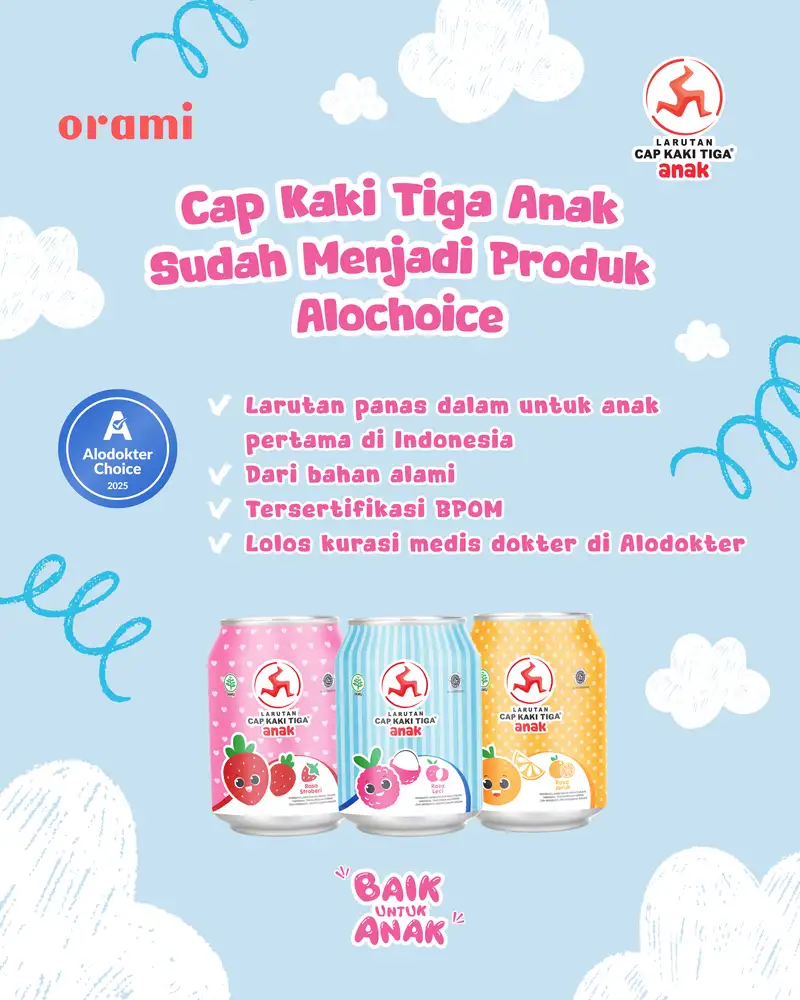
In tropical climates or during periods of intense physical exertion, standard water may need to be complemented by specialized pediatric solutions designed to restore systemic balance. Functional beverages formulated specifically for children, such as Cap Kaki Tiga Anak—the pioneer pediatric heat-relief beverage in Indonesia—utilize traditional mineral components like Gypsum Fibrosum and Calcitum. These formulations are clinically registered with regulatory bodies such as the Indonesian Food and Drug Authority (BPOM) and endorsed by medical professionals like Alodokter. Available in flavors such as orange, lychee, and strawberry, such products assist in managing symptoms associated with internal heat, dry throats, and mild canker sores while supporting overall daily fluid intake.
4. Establishing Portable Hydration Habits
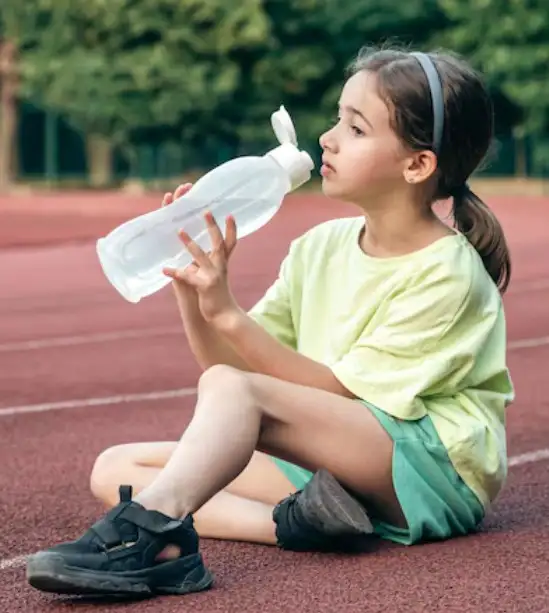
Accessibility remains a primary driver of consistent consumption. Equipping children with a lightweight, secure water bottle during school hours, playground visits, and family outings ensures that fluids are constantly within reach. This practice encourages drinking in response to early physiological cues rather than waiting for the sensation of intense thirst, which is already an indicator of mild dehydration.
5. Incorporating Hydration-Rich Whole Foods
Fluid intake is not strictly limited to beverages. A substantial percentage of daily water requirements can be met through the dietary inclusion of high-water-content fruits and vegetables. Produce items such as watermelon, cantaloupe, oranges, strawberries, grapes, and cucumbers possess water concentrations exceeding 80% to 90%. Serving these items as regular snacks provides a dual benefit: delivering essential micronutrients and dietary fiber while simultaneously contributing to the child’s systemic hydration status.

6. Early Educational Interventions
Long-term behavioral change is most effectively achieved when children understand the underlying rationale for their habits. Parents can utilize age-appropriate media, such as illustrated storybooks or educational video content, to explain how water travels through the body, powers muscles, and sharpens the mind. Connecting fluid intake directly to the child’s favorite physical and mental activities fosters an intrinsic motivation that persists into adolescence.
Societal Implications and Public Health Outlook
The broader public health implications of pediatric hydration extend into preventative healthcare economics. By establishing robust hydration routines early in life, healthcare systems can potentially reduce the incidence of preventable pediatric hospitalizations related to heat illness, urinary tract infections, and severe dehydration.
As climate patterns shift toward higher global temperatures, the incidence of environmental heat stress among school-aged children is projected to rise. Consequently, educational institutions, athletic coaches, and municipal policymakers are increasingly called upon to mandate scheduled water breaks and ensure unfettered access to clean drinking water facilities.

Ultimately, safeguarding the hydration status of children requires a collaborative approach uniting parents, educators, and healthcare providers. Through consistent monitoring, innovative engagement strategies, and an appreciation of the physiological demands of childhood, caregivers can ensure that the next generation remains healthy, cognitively alert, and physically resilient.