BMKG Forecasts Clear to Partly Cloudy Conditions Across Jabodetabek This Saturday, July 25, 2026, as Temperatures Peak at 34°C

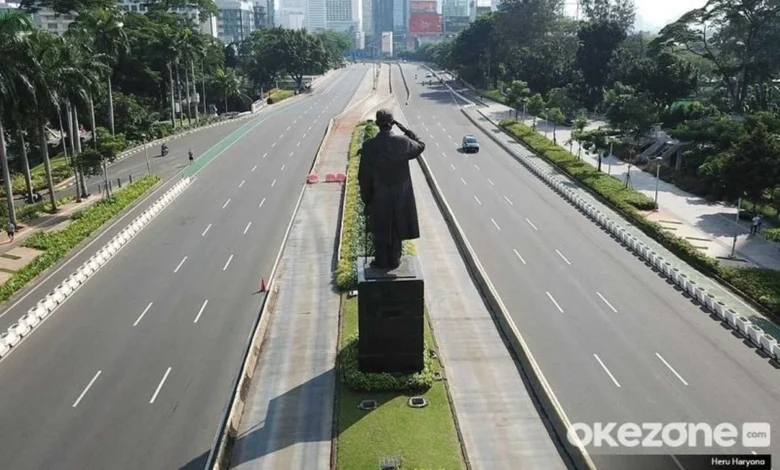
The Meteorology, Climatology, and Geophysics Agency (BMKG) has issued its weather forecast for the Jabodetabek region, encompassing Jakarta, Bogor, Depok, Tangerang, and Bekasi, for Saturday, July 25, 2026. The agency predicts that most areas within West Java, which includes a significant portion of the Jabodetabek conurbation, will experience predominantly clear to partly cloudy skies throughout the day. This forecast suggests a stable atmospheric condition, typical of the dry season in Indonesia, with minimal chances of precipitation. Residents are advised to prepare for warm temperatures, particularly in the afternoon, and to stay updated on the latest weather advisories from BMKG, especially those planning outdoor activities or travel.
Detailed Daily Forecast for Jabodetabek
According to the BMKG’s comprehensive analysis, the morning hours across the Jabodetabek area on Saturday, July 25, 2026, are expected to begin with mostly clear to partly cloudy conditions. This early stability will provide a relatively pleasant start to the day for commuters and early morning activities. As the sun rises and atmospheric heating increases, these conditions are projected to persist into the afternoon and evening. The absence of significant cloud cover in many areas means that solar radiation will be largely unimpeded, contributing to the anticipated high temperatures.
Specifically, for the cities and regencies of Bogor, a slightly cooler temperature range is predicted, with lows around 18 degrees Celsius and highs reaching up to 32 degrees Celsius. This cooler range in Bogor is often attributed to its higher elevation and more forested landscape compared to the more urbanized and lower-lying areas of Jakarta and Bekasi. For other regions within West Java, which includes parts of Tangerang and Bekasi, the temperature spectrum is expected to be warmer, ranging from a minimum of 24 degrees Celsius to a peak of 34 degrees Celsius. These temperatures are considered moderate to warm for the dry season, but the upper end of the spectrum warrants attention for heat-related health concerns.
Humidity levels across the region are forecast to vary significantly, ranging from 28 percent to 90 percent. The lower end of this range, particularly in the afternoon when temperatures are highest, indicates relatively dry air, which can exacerbate the feeling of heat and contribute to dehydration if proper precautions are not taken. The higher humidity values are more likely to be observed in the early morning or in areas with specific microclimates, but the overall trend for the day leans towards lower humidity during peak heat. Surface winds are expected to blow from the northeast to the south, with speeds ranging from 5 to 30 kilometers per hour. These moderate wind speeds can provide some relief from the heat in open areas but are generally not strong enough to significantly alter the overall temperature profile.
Geographical and Climatological Context of Jabodetabek
The Jabodetabek region, a sprawling megacity and its surrounding areas, is situated on the island of Java, Indonesia, straddling the equator. This geographical position places it firmly within a tropical monsoon climate zone. Indonesia experiences two primary seasons: the wet season and the dry season. July typically falls in the middle of the dry season, which generally runs from April/May to October. During this period, the influence of the Australian monsoon system is dominant, bringing dry easterly winds to the Indonesian archipelago. This often results in clearer skies, less rainfall, and more stable atmospheric conditions compared to the wet season.
Historically, the dry season in Jabodetabek has been characterized by consistent sunny days, occasional haze from distant fires (though less common in July itself), and warmer temperatures. The clear to partly cloudy forecast for July 25, 2026, aligns well with these typical dry season patterns. The maximum temperature of 34 degrees Celsius, while high, is not unprecedented for this time of year, especially in urbanized areas. Urban heat island effect, where metropolitan areas experience higher temperatures than surrounding rural areas due to human activities and materials like concrete and asphalt absorbing and re-emitting solar heat, can also contribute to the higher temperatures observed in parts of Jabodetabek.
The terrain of Jabodetabek is diverse, ranging from the low-lying coastal plains of Jakarta to the elevated volcanic foothills of Bogor. This topographical variation explains the differing temperature forecasts, with Bogor’s higher altitude generally leading to slightly cooler ambient temperatures. The combination of clear skies and a stable atmosphere during the dry season also tends to reduce the likelihood of significant convective activity, meaning fewer afternoon thunderstorms that are common during the wet season.
BMKG’s Role and Forecasting Methodologies
The Badan Meteorologi, Klimatologi, dan Geofisika (BMKG) serves as Indonesia’s authoritative body for meteorological, climatological, and geophysical information. Its primary mission is to provide accurate and timely data and forecasts essential for public safety, economic development, and environmental management. BMKG employs a sophisticated array of tools and methodologies to generate its weather predictions. These include a network of ground-based weather stations spread across the archipelago, providing real-time measurements of temperature, humidity, pressure, wind speed, and direction.
Complementing these ground observations are advanced remote sensing technologies. Satellite imagery, particularly from geostationary and polar-orbiting satellites, offers broad-scale views of cloud patterns, atmospheric moisture, and sea surface temperatures. Weather radar systems provide localized, high-resolution data on precipitation and storm development. Furthermore, BMKG leverages numerical weather prediction (NWP) models, which are complex computer simulations that process vast amounts of atmospheric data to forecast future weather states. These models integrate physical laws governing the atmosphere with current observational data to project conditions hours, days, or even weeks in advance. The continuous refinement of these models and the integration of new data sources enable BMKG to issue increasingly accurate and localized forecasts like the one for Jabodetabek on July 25, 2026.
The agency also plays a crucial role in monitoring climate change indicators, providing early warnings for natural disasters such as tsunamis, earthquakes, and extreme weather events. Their advisories are vital for various sectors, including aviation, maritime transport, agriculture, and disaster management, ensuring that critical decisions are made based on the most reliable scientific information available.
Implications and Public Advisory
The forecast for clear to partly cloudy skies and warm temperatures carries several implications for the residents of Jabodetabek and necessitates adherence to BMKG’s public advisories.
Health and Well-being: With temperatures potentially reaching 34 degrees Celsius, the risk of heat-related illnesses such as heat exhaustion and heatstroke increases. BMKG and local health authorities typically advise residents to stay well-hydrated by drinking plenty of water, even if they do not feel thirsty. Limiting prolonged exposure to direct sunlight, especially during peak afternoon hours (11:00 AM to 3:00 PM), and wearing light-colored, loose-fitting clothing are also crucial recommendations. Vulnerable populations, including children, the elderly, and individuals with pre-existing medical conditions, should take extra precautions.
Outdoor Activities and Travel: For those planning outdoor activities, the generally clear conditions are favorable, but planning should include provisions for sun protection (sunscreen, hats, sunglasses) and hydration. Travelers should also be aware of the potential for reduced visibility due to atmospheric haze, though not explicitly forecast, it is a common dry season phenomenon. Monitoring BMKG updates is particularly important for those embarking on longer journeys or engaging in activities like hiking.

Agriculture: While the Jabodetabek area is highly urbanized, surrounding regions in West Java still have significant agricultural activity. Consistent dry weather, while beneficial for harvesting certain crops, can also lead to concerns about water availability for irrigation, especially if the dry season extends longer than usual or if rainfall deficits accumulate. Farmers are often advised to implement water-efficient irrigation practices and to monitor soil moisture levels closely.
Energy Consumption: Higher temperatures typically lead to increased demand for electricity, primarily due to the widespread use of air conditioning units. This can place a strain on the power grid. Residents are encouraged to use energy efficiently to help manage demand.
Fire Risk: Prolonged dry conditions, coupled with lower humidity, can elevate the risk of brushfires or grassfires, particularly in rural or semi-urban fringe areas. Local disaster management agencies (BPBD) often issue warnings against open burning during such periods and advise caution with any activities that could spark a fire.
Reactions and Preparedness from Related Parties (Inferred)
While specific statements for July 25, 2026, are not available, it is reasonable to infer the typical responses and preparedness measures from various stakeholders based on BMKG’s forecast.
Local Government and Disaster Management Agencies (BPBD): Given the forecast, local governments in Jakarta, Bogor, Depok, Tangerang, and Bekasi, along with their respective BPBDs, would likely be on standby to address any dry season-related impacts. Their communications departments would likely reiterate BMKG’s advisories through various public channels, emphasizing hydration, sun protection, and fire prevention. They might also coordinate with local health services for potential increases in heat-related emergency calls.
Health Officials: Public health departments would typically issue health warnings and tips, particularly for vulnerable groups. Campaigns on staying hydrated, recognizing symptoms of heatstroke, and seeking prompt medical attention would be common. Hospitals and clinics would be prepared for a potential uptick in patients presenting with heat-related conditions.
Water Management Authorities: During dry spells, water utility companies and regional water management bodies (e.g., PDAMs) often monitor reservoir levels and water consumption closely. They might issue calls for responsible water usage to prevent shortages, especially if the dry season is projected to be prolonged or unusually severe.
Agricultural Sector Stakeholders: Although the core forecast is for Jabodetabek’s general public, agricultural extension services in surrounding West Java areas would likely advise farmers on managing crops under dry conditions, perhaps recommending drought-resistant varieties or efficient irrigation techniques. They would also monitor the potential for pest outbreaks, which can sometimes be exacerbated by specific weather patterns.
Transportation Sector: Airlines and maritime operators rely heavily on BMKG data for safe operations. While clear skies are generally favorable, information on wind speed and direction is crucial for flight planning and maritime navigation. For land transport, authorities would monitor for any dust-related visibility issues, though less likely with moderate winds.
Broader Climate Perspective and Future Outlook
The weather forecast for July 25, 2026, while specific to a single day, also fits into the broader context of Indonesia’s climate and global climate change. Scientists predict that as the global climate warms, regions like Indonesia may experience shifts in their monsoon patterns, potentially leading to more intense or prolonged dry seasons, or more erratic rainfall during the wet season. While attributing any single day’s weather directly to climate change is complex, the consistent trend of warm, dry conditions during Indonesia’s dry season aligns with projections of increased temperatures and altered precipitation regimes in many tropical regions.
Indonesia, as an equatorial archipelagic nation, is particularly vulnerable to the impacts of climate change, including rising sea levels, changes in agricultural productivity, and an increase in the frequency and intensity of extreme weather events. BMKG’s continuous monitoring and forecasting efforts are therefore not just about daily weather but also about providing critical data for long-term climate adaptation and mitigation strategies. The daily advisories serve as a reminder for the public to be climate-aware and to understand their role in preparing for and adapting to evolving environmental conditions.
In conclusion, as Jabodetabek approaches Saturday, July 25, 2026, residents can anticipate a day characterized by generally clear to partly cloudy skies and warm temperatures, peaking at 34 degrees Celsius in some areas. BMKG’s detailed forecast and subsequent public advisories underscore the importance of personal preparedness, especially concerning hydration and sun protection. Staying informed through official channels remains the best course of action for navigating the day’s weather effectively and safely.