
Optimizing Child Hydration: A Comprehensive Guide to Daily Needs, Health Impacts, and Proactive Strategies for Parents

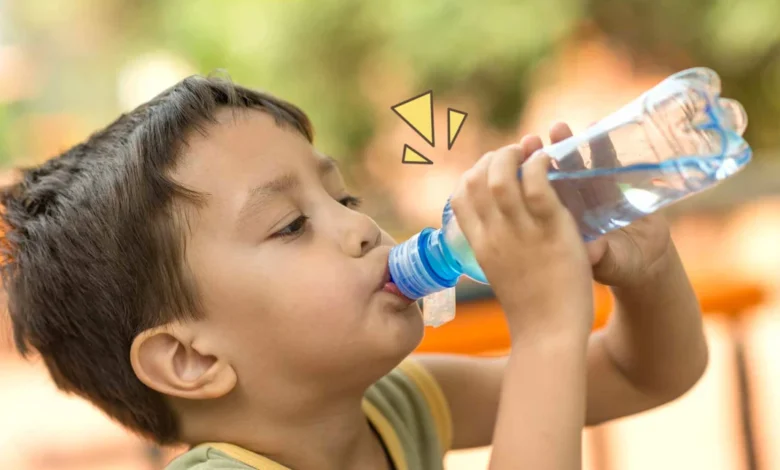
The maintenance of adequate fluid intake in children is a critical yet frequently overlooked component of pediatric health and developmental success. Water serves as the fundamental biological solvent required for nearly every physiological process, and for a growing child, its role extends far beyond simple thirst quenching. According to a landmark study published in the American Journal of Public Health, consistent and sufficient water consumption is directly correlated with the maintenance of a healthy body weight, a reduction in dental complications such as cavities, and a measurable increase in cognitive performance among children and adolescents. Despite these clear benefits, many children remain in a state of sub-clinical dehydration, which can lead to chronic fatigue, diminished focus, and a variety of metabolic inefficiencies. For parents and caregivers, understanding the nuances of pediatric hydration is not merely a matter of convenience but a foundational aspect of ensuring long-term physical and mental well-being.
The Physiological Importance of Hydration in Developing Bodies
In the context of pediatric physiology, children are significantly more susceptible to fluid imbalances than adults. This vulnerability stems from several factors: children have a higher surface-area-to-body-mass ratio, a higher percentage of total body water, and less efficient sweating mechanisms compared to matured adults. Consequently, when children engage in physical play or reside in warm climates, their bodies lose water at a disproportionately faster rate.

Proper hydration acts as a cognitive catalyst. Research indicates that even mild dehydration—defined as a 1% to 2% loss in body weight due to fluid depletion—can impair short-term memory, alertness, and arithmetic skills. In the classroom setting, a well-hydrated child is better equipped to process complex information and maintain the stamina required for a full day of learning. Furthermore, water is essential for the transport of nutrients to cells and the efficient removal of waste products via the kidneys. Without adequate fluid, the blood volume can decrease, forcing the heart to work harder to circulate oxygen, which manifests as the lethargy and irritability often observed in dehydrated toddlers and school-aged children.
Quantifying Fluid Requirements Across Developmental Stages
As a child matures, their biological demand for water increases in tandem with their metabolic rate and physical size. While individual needs may fluctuate based on health status and activity levels, healthcare organizations, including the American Academy of Pediatrics and various global health bodies, provide general benchmarks for daily intake.
For toddlers aged 1 to 3 years, the recommended daily fluid intake is approximately 1.3 liters, which typically includes water, milk, and the water content found in solid foods. As children enter the "school-age" bracket of 4 to 8 years, this requirement rises to approximately 1.7 liters per day. The transition into pre-adolescence and adolescence sees a significant jump; children aged 9 to 13 years require between 2.1 and 2.4 liters, depending on biological sex and growth velocity. By the time a teenager reaches the ages of 14 to 18, their needs mirror those of adults, ranging from 2.3 to 3.3 liters per day.

It is crucial to note that these figures represent total water intake. While approximately 20% of this may come from moisture in food, the remaining 80% must be sourced from direct beverage consumption, with plain water being the gold standard. Environmental factors, such as high humidity or intense physical exertion, necessitate further adjustments. For instance, children aged 9 to 12 years engaged in vigorous sports should consume an additional 80 ml to 230 ml of water every 20 minutes to compensate for sweat loss and maintain homeostatic balance.
Proactive Strategies for Encouraging Healthy Hydration Habits
Given that children often lack the self-awareness to recognize the early signs of thirst, parents must employ strategic interventions to ensure fluid targets are met. The objective is to transition drinking water from a chore into a seamless, and even enjoyable, part of the daily routine.
1. Environmental Cues and Personalization
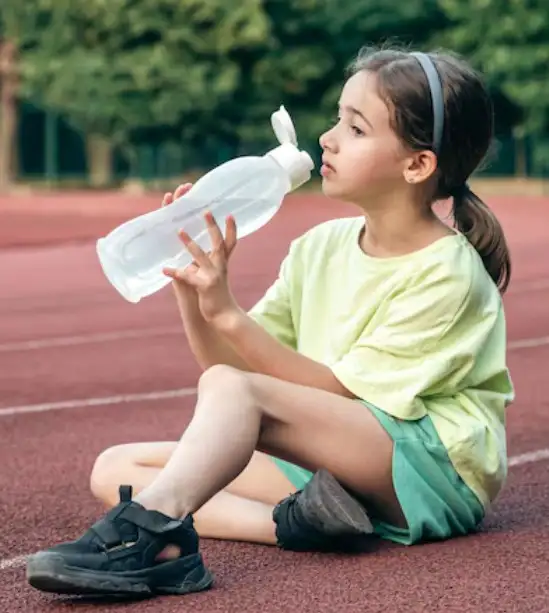
One of the most effective psychological tools is the use of personalization. Providing a child with a dedicated, high-quality water bottle featuring their favorite colors or characters can foster a sense of ownership over their hydration. When a child views their water bottle as a personal accessory rather than a clinical requirement, they are more likely to carry it and sip from it reflexively. Furthermore, ensuring that water is always within arm’s reach—whether at the study desk, in the car, or by the bedside—removes the "barrier to entry" for drinking.
2. Sensory Enhancement through Natural Flavors
For children who find the neutrality of plain water unappealing, sensory enhancement offers a healthy alternative to sugary sodas or processed juices. Infusing water with slices of lemon, cucumber, strawberries, or mint provides a visual and gustatory upgrade without the caloric or dental downsides of artificial sweeteners. These "infused waters" can be prepared as a collaborative activity, allowing children to experiment with different flavor profiles, which increases their engagement with the habit.
3. Nutritional Hydration via Water-Rich Foods
Hydration is not limited to the glass. A significant portion of a child’s fluid intake can be managed through a diet rich in high-moisture produce. Watermelon and strawberries, for example, consist of approximately 91-92% water. Vegetables like cucumbers and lettuce exceed 95% water content. Integrating these items into snacks and meals provides a "time-release" form of hydration, where the water is absorbed alongside fiber and essential vitamins, supporting both hydration and digestive health.
Addressing "Heatiness" and Internal Imbalance: The Role of Targeted Solutions
In many tropical and subtropical regions, including Indonesia, the concept of "panas dalam" or "internal heat" is a recognized health concern. This condition, often exacerbated by dehydration, poor diet, or environmental heat, manifests as mouth ulcers (sariawan), sore throats, and general physical discomfort. While standard water intake is the primary defense, specialized solutions can provide targeted relief.
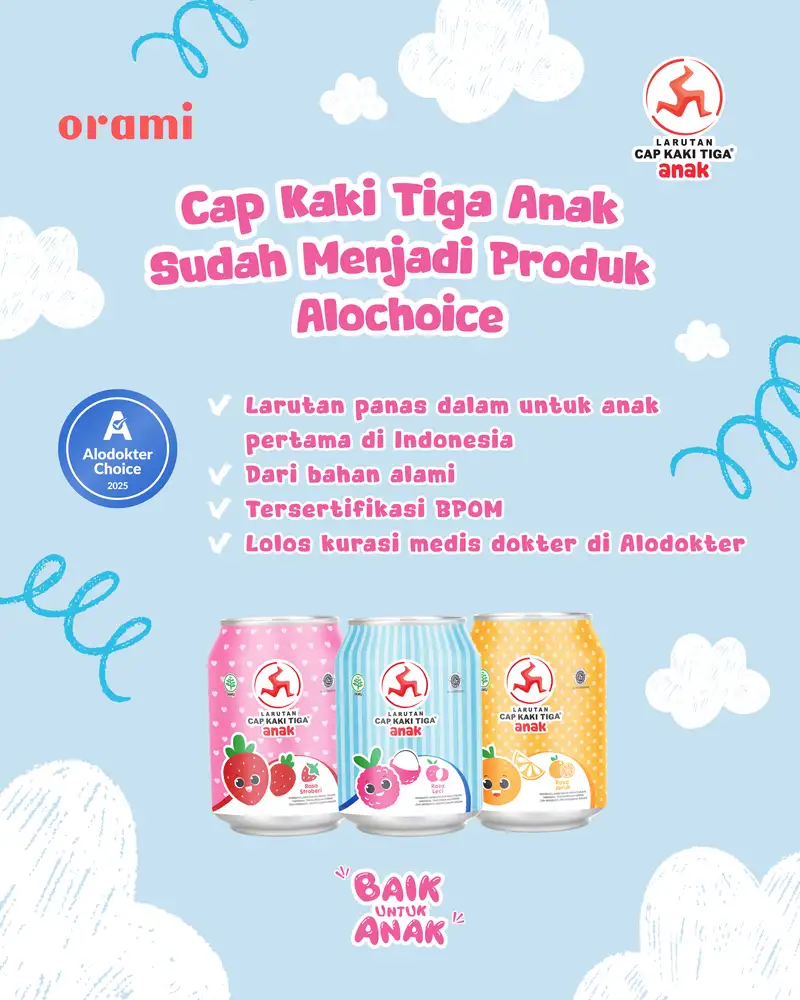
Cap Kaki Tiga Anak has emerged as a prominent choice for parents seeking to manage these specific symptoms while supporting overall hydration. Formulated specifically for the pediatric demographic, this refreshing solution contains Gypsum Fibrosum and Calcitum—minerals traditionally utilized to cool the body and alleviate the symptoms of internal heat.
The product serves a dual purpose: it acts as a functional beverage to treat minor ailments like dry throat and sariawan, while its variety of flavors (orange, lychee, and strawberry) makes it highly palatable for children who might otherwise resist fluids during illness. Safety and clinical validity are paramount in pediatric products; notably, Cap Kaki Tiga Anak is registered with the Indonesian Food and Drug Authority (BPOM) and has been recognized by medical platforms like Alodokter. Such endorsements provide parents with the necessary assurance that the product meets rigorous safety standards for child consumption.
The Dangers of Dehydration: Recognizing Red Flags
Failure to maintain adequate fluid levels can lead to a spectrum of medical issues, ranging from mild discomfort to emergency situations. According to the National Center for Biotechnology Information (NCBI), dehydration in children can progress rapidly if not addressed.

The primary indicator for parents is often the color of the child’s urine; a dark, concentrated yellow indicates a significant need for fluids, whereas a pale, straw-like color suggests healthy hydration. Physical symptoms include xerostomia (dry mouth), a lack of tears when crying, and sunken eyes. In more advanced stages, children may experience oliguria (a marked decrease in urine output) and tachycardia (an abnormally rapid heart rate as the body struggles to maintain blood pressure).
Cognitive and behavioral red flags are equally important. Dehydrated children often exhibit irritability, confusion, or extreme lethargy. Because these symptoms can mimic other illnesses, it is vital for caregivers to first assess fluid intake as a potential root cause. If a child is unable to keep fluids down or shows signs of severe disorientation, immediate medical intervention is required to prevent complications such as heat stroke or kidney strain.
Educational Integration: Building a Hydration Mindset
Long-term health is built on education rather than just enforcement. Parents are encouraged to teach children the "why" behind the water. Using age-appropriate resources—such as picture books for toddlers or science-based videos for older children—can help them understand that water is "fuel" for their brain and "coolant" for their muscles.

By linking water consumption to their favorite activities—such as "drinking like an athlete" to run faster or "hydrating the brain" to do well in a video game or school project—parents can tap into the child’s existing motivations. This educational approach ensures that as the child grows and gains more autonomy, they possess the knowledge to make healthy choices independently.
Conclusion: A Foundation for Optimal Growth
Ensuring a child meets their daily fluid requirements is a fundamental pillar of modern parenting. It is a proactive investment in their cognitive clarity, physical endurance, and metabolic health. By combining consistent routines, the use of water-rich foods, and the strategic application of safe, specialized beverages like Cap Kaki Tiga Anak, parents can safeguard their children against the multifaceted risks of dehydration.
In an era where processed, sugar-laden beverages are ubiquitous, the return to a hydration-focused lifestyle is essential. A well-hydrated child is not just a healthy child; they are a child who is biologically optimized to explore, learn, and thrive in an increasingly demanding world. Through vigilance, education, and the right tools, the simple act of drinking water becomes a powerful instrument for pediatric success.