Essential Hydration Strategies for Children: Scientific Importance, Age-Based Guidelines, and Preventive Health Measures

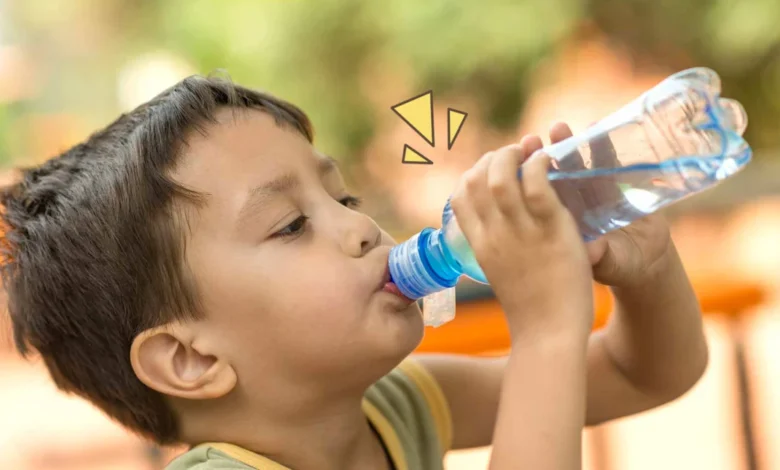
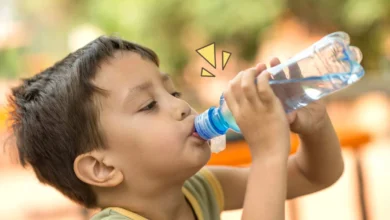
The fundamental necessity of maintaining adequate fluid intake in children is a critical pillar of pediatric health that frequently escapes the rigorous attention it deserves from caregivers and educators alike. While water is often viewed merely as a thirst quencher, its physiological role in a developing body is far more complex, acting as a primary catalyst for metabolic processes, cognitive development, and long-term physical well-being. According to a landmark study published in the American Journal of Public Health, consistent and sufficient water consumption in children and adolescents is directly correlated with the maintenance of a healthy body weight, a significant reduction in dental complications, and a measurable improvement in cognitive performance. Beyond these long-term benefits, proper hydration serves as the body’s first line of defense against acute conditions such as heat exhaustion and chronic fatigue, making it imperative for parents to monitor and manage their children’s daily fluid intake with precision.
The Biological Imperative: Why Children Are at Higher Risk
The physiological profile of a child differs significantly from that of an adult, particularly regarding fluid regulation and thermoregulation. Children possess a higher surface-area-to-body-mass ratio, which facilitates faster heat absorption from the environment and higher rates of insensible water loss through the skin. Furthermore, pediatric populations are often more physically active, engaging in spontaneous bursts of high-intensity play that lead to rapid perspiration. Despite these increased needs, children often lack the sophisticated internal thirst mechanisms that adults possess, meaning they may not feel the urge to drink until they are already in the early stages of clinical dehydration.

As children age, their physiological requirements for water evolve in tandem with their increasing body mass and metabolic rate. Scientific consensus suggests that a one-size-fits-all approach to hydration is insufficient. Instead, a graduated scale based on developmental stages is necessary to ensure that the kidneys can effectively filter waste and that the brain remains sufficiently hydrated to support learning and emotional regulation.
Standardized Hydration Guidelines by Age Group
To provide a framework for caregivers, health organizations such as the Institute of Medicine and various pediatric associations offer specific daily fluid recommendations. While these figures represent total water intake—which includes water from food sources like fruits and vegetables—the majority should ideally come from direct water consumption.
For infants aged 6 to 12 months, who are transitioning to solid foods, the introduction of small amounts of water (approximately 4 to 8 ounces per day) is recommended alongside breast milk or formula. As children enter the toddler stage (ages 1 to 3), their fluid requirements jump to approximately 1.3 liters per day. By the time a child reaches preschool and early elementary age (4 to 8 years), this requirement increases to roughly 1.7 liters.

The most significant shift occurs during the pre-teen and adolescent years (ages 9 to 13). During this period, boys typically require about 2.4 liters of fluid daily, while girls require approximately 2.1 liters. These requirements are not static; environmental factors play a massive role. In tropical climates or during periods of intense physical exertion, these numbers must be adjusted upward. For instance, children aged 9 to 12 involved in vigorous sports may require an additional 80 ml to 230 ml of water every 20 minutes to compensate for sweat loss and maintain homeostatic balance.
Clinical Implications of Fluid Deficiency
The consequences of failing to meet these hydration benchmarks can be severe. Data from the National Center for Biotechnology Information (NCBI) indicates that dehydration in children manifests through a spectrum of symptoms that can escalate quickly. Early signs include lethargy, irritability, and a dry or "sticky" mouth. As the condition progresses, more diagnostic signs emerge, such as a noticeable darkening of urine color—indicating high concentration and renal stress—and a decrease in urine output, known clinically as oliguria.
In more acute cases, dehydration can lead to tachycardia, a condition where the heart rate exceeds the normal resting rate as the body struggles to maintain blood pressure with reduced plasma volume. Cognitive impairment is also a significant concern; even mild dehydration has been shown to reduce concentration levels, impair short-term memory, and increase the perception of task difficulty in school-aged children. For parents, understanding these clinical markers is essential for early intervention before the child requires medical hospitalization for intravenous rehydration.
Practical Strategies for Promoting Healthy Hydration Habits
Given that children may not instinctively reach for water, parents must employ strategic and creative methods to ensure daily quotas are met. The objective is to transition hydration from a "chore" into a seamless and enjoyable part of the child’s lifestyle.
1. Gamification and Aesthetic Appeal
The psychological impact of visual stimulation should not be underestimated. Utilizing colorful, high-quality water bottles featuring a child’s favorite characters or designs can foster a sense of ownership and excitement. When a child views their water bottle as a personal accessory rather than a medical necessity, they are statistically more likely to use it frequently throughout the day.
2. Natural Flavor Enhancement and Infused Water
For children who find the neutrality of plain water unappealing, natural flavor infusions offer a healthy alternative to sugary sodas or processed juices. Adding slices of lemon, cucumber, strawberries, or mint provides a refreshing sensory experience without the detrimental effects of refined sugars. Infused water serves a dual purpose: it makes the beverage visually attractive and introduces subtle vitamins and antioxidants into the child’s diet.
3. Integration of Functional Hydration Aids
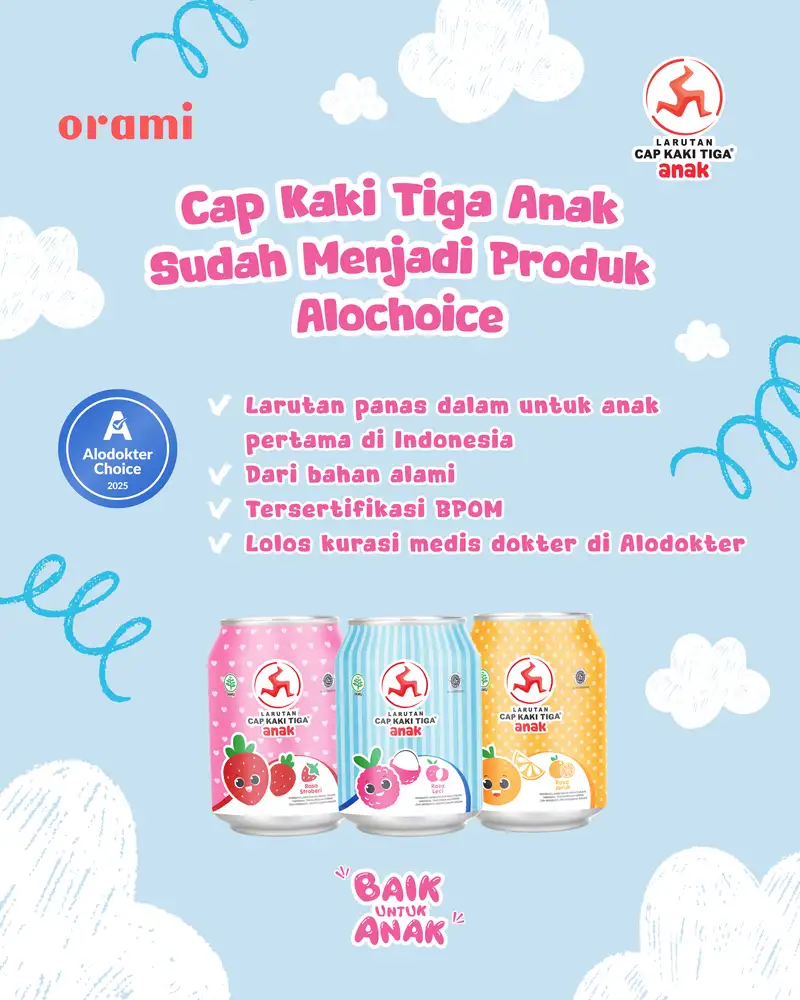
In certain contexts, such as during bouts of "panas dalam" (internal heat), mouth sores, or sore throats, traditional water may be supplemented with functional beverages designed for pediatric use. In the Indonesian market, products like Cap Kaki Tiga Anak have emerged as a recognized solution. These beverages are formulated with specific minerals, including Gypsum Fibrosum and Calcitum, which are traditionally used to refresh the body and alleviate symptoms of minor ailments like sariawan (canker sores).
The inclusion of such products is often supported by clinical endorsements; for example, Cap Kaki Tiga Anak is a choice recommended by Alodokter and is fully registered with the BPOM (Indonesian Food and Drug Authority). By offering variety through flavors like orange, lychee, and strawberry, parents can ensure the child remains hydrated even when they are feeling unwell and might otherwise refuse fluids.
4. Accessibility and Portability
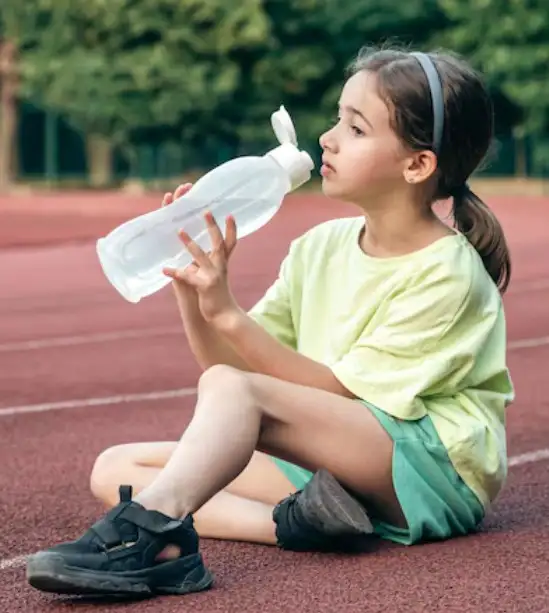
Consistency is the cornerstone of habit formation. Parents should ensure that a water bottle is a mandatory item in a child’s school bag, sports kit, and travel gear. Having water readily available eliminates the "friction" of having to ask for a drink or wait until a fountain is found. This accessibility encourages "micro-sipping" throughout the day, which is more effective for hydration than "bolus drinking" (consuming large amounts at once).

5. Nutritional Hydration via Water-Rich Foods
Hydration is not limited to liquids. Approximately 20% of a child’s fluid intake can come from solid foods. Incorporating fruits with high water content—such as watermelon (92% water), strawberries (91%), and cantaloupe (90%)—can significantly bolster a child’s hydration status. These snacks provide the added benefit of fiber and essential micronutrients, making them superior to processed snacks.
Educational Engagement and Long-term Behavioral Impact
Beyond physical provision, the final step in a comprehensive hydration strategy is education. Children are naturally curious, and explaining the "why" behind drinking water can empower them to make healthy choices independently. Using age-appropriate media, such as illustrated books or educational videos that depict how water helps the brain think faster or muscles run longer, can create a lasting cognitive association between health and hydration.
When children understand that water is "fuel" for their favorite activities—whether it be soccer, drawing, or gaming—they develop an internal motivation to stay hydrated. This educational approach shifts the responsibility from the parent to the child, fostering a sense of autonomy that will carry into adulthood.

Conclusion: A Foundation for Lifelong Health
The proactive management of a child’s fluid intake is far more than a daily task; it is an investment in their physiological and cognitive development. By understanding the age-specific requirements, recognizing the clinical signs of deficiency, and implementing creative, habit-forming strategies, caregivers can protect children from the acute dangers of dehydration while setting the stage for a lifetime of healthy habits. Whether through the simple act of carrying a reusable bottle, enjoying a slice of watermelon, or utilizing specialized refreshing solutions like Cap Kaki Tiga Anak during times of physical stress, every milliliter contributes to a more energetic, focused, and resilient child. In an era where lifestyle diseases are on the rise, the simple clarity of water remains one of the most potent tools in a parent’s health arsenal.