Toyota Fortuner 2.8 L Variants Emerge in Indonesian Regulatory Filings, Fueling Speculation of New Model Introductions

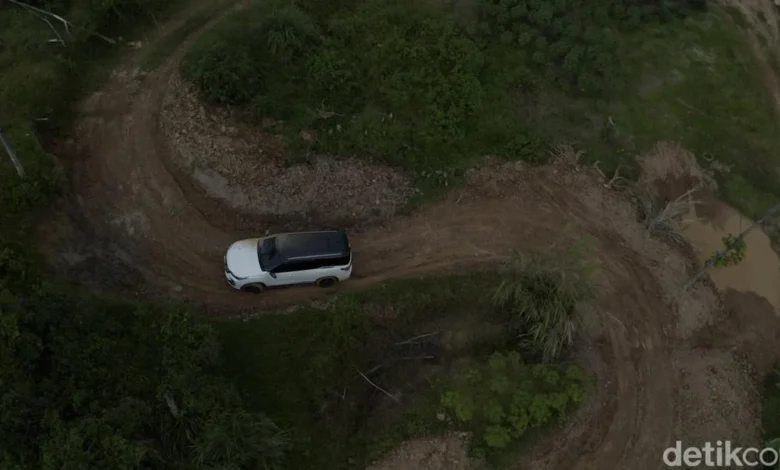
Jakarta – The Indonesian automotive landscape is abuzz with anticipation following the appearance of several new Toyota Fortuner 2.8 L variants on the official website of the Ministry of Home Affairs (Permendagri). The listing, specifically within Annex 11 of Ministerial Regulation No. 11 of 2026 concerning the Basis for Motor Vehicle Tax, Motor Vehicle Name Transfer Fees, and Heavy Equipment Tax, reveals an expansion of the registered codes for the popular 7-seater SUV. This regulatory update, which typically reflects upcoming vehicle introductions or significant model updates, has ignited discussions about Toyota’s strategic product planning for the Indonesian market.
The Permendagri document, a crucial piece of legislation for vehicle taxation and registration, outlines the National Motor Vehicle Price (NJKB) for various automotive models. The recent update shows a notable increase in the number of registered codes for the Fortuner 2.8 L. While last year’s filings featured only four distinct codes for this engine displacement, the latest iteration lists a total of nine, signifying the addition of five new codes. This expansion strongly suggests that Toyota Astra Motor (TAM), the official distributor of Toyota vehicles in Indonesia, is preparing to introduce new variants or potentially a significant refresh of the Fortuner line-up.
The newly registered codes are:
- Fortuner 2.8 4×2 A/T (GUN266R-SDTMXD)
- Fortuner 2.8 VRZ 4×2 A/T (GUN266R-SDTHXD)
- Fortuner 2.8 VRZ 4×4 A/T (GUN256R-SDTHXD)
- Fortuner 2.8 VRZ TSS 4×2 A/T (GUN266R-SDTHXD)
- Fortuner 2.8 VRZ TSS 4×2 A/T (GUN256R-SDTHXD)
For context, the previous year’s registrations for the Fortuner 2.8 L were based on GUN156R (two models) and GUN166R (two models). The inclusion of these new alphanumeric codes, which often denote specific trim levels, drivetrain configurations, and potentially minor specification differences, points towards a deliberate strategy by Toyota to diversify its offerings within the Fortuner segment. The "VRZ" designation typically signifies a higher-spec trim, while "TSS" commonly refers to Toyota Safety Sense, the brand’s suite of advanced driver-assistance systems. The presence of both 4×2 and 4×4 configurations, along with automatic transmissions, suggests a comprehensive range catering to various consumer preferences and driving needs.
Toyota’s Reserved Stance Amidst Market Buzz
When approached for comment regarding these regulatory filings and the potential introduction of new Fortuner 2.8 L variants, PT Toyota Astra Motor maintained a characteristically cautious stance. Philardi Ogi, Public Relations Manager at PT Toyota Astra Motor, stated, "We cannot comment extensively on Toyota’s product movements at this time. Let’s see what the future holds. What is certain is that we are continuously preparing various interesting products across different segments for our customers in Indonesia." This official response, while not confirming or denying the impending launch, aligns with Toyota’s typical approach of managing product reveals and maintaining an element of surprise for the market. The phrase "Let’s see ke depannya ya" (Let’s see what the future holds) is a common diplomatic response in such situations, indicating that while there might be developments, details are not yet ready for public disclosure.
The Global Context: Fortuner’s Next Evolution
The emergence of these new Indonesian regulatory codes gains even more significance when viewed in the broader context of the Toyota Fortuner’s global development cycle. Industry sources and spy shots have widely reported that Toyota is actively developing the third generation of the Fortuner. This next-generation model has reportedly been spotted undergoing road tests in Thailand, a key market for Toyota’s SUV development and production in the region.
Reports from automotive publications and enthusiast forums suggest that the next-generation Fortuner is poised for a substantial redesign, both aesthetically and technologically. The exterior is expected to adopt a sharper, more contemporary design language, aligning with Toyota’s latest styling trends. This would likely involve more assertive body lines, a more aggressive front fascia, and potentially redesigned LED lighting elements, giving the vehicle a more futuristic and premium appeal.
The interior is also anticipated to receive a significant upgrade, aiming to enhance the overall sense of luxury and comfort. This could include the incorporation of higher-quality materials, improved ergonomics, and a more advanced infotainment system. A notable technological advancement expected in the new Fortuner is the adoption of an electric power steering (EPS) system. This modern steering technology offers several advantages over traditional hydraulic systems, including improved fuel efficiency, a lighter and more precise steering feel, and crucially, the enablement of advanced driver-assistance features.
Technological Advancements and Powertrain Potential
The integration of an electric power steering system is a critical enabler for the implementation of the latest iteration of Toyota Safety Sense, specifically Toyota Safety Sense 3 (TSS 3). This comprehensive suite of active safety technologies typically includes features such as adaptive cruise control, lane departure warning and assist, pre-collision system with pedestrian detection, and automatic high beams. The inclusion of TSS 3 would represent a significant enhancement in the Fortuner’s safety credentials, aligning it with the most advanced offerings in the SUV segment.
Regarding powertrain options, the 2.8-liter turbodiesel engine, codenamed 1GD-FTV, remains the most logical candidate for the higher-spec variants of the new Fortuner. This robust engine is known for its impressive balance of performance and efficiency. In its current or slightly updated form, it is capable of producing approximately 150 kW (around 201 horsepower) and a substantial peak torque of up to 500 Nm. This powertrain configuration is well-suited for the demands of a large, body-on-frame SUV, providing ample torque for towing, off-roading, and confident acceleration. The potential for tuning or minor upgrades to this engine to meet evolving emissions standards or enhance performance further cannot be ruled out.
The presence of the "2.8 L" designation in the newly registered codes strongly suggests that this powerful turbodiesel engine will continue to be a cornerstone of the Fortuner line-up in Indonesia, particularly for the higher trim levels. The expanded number of variants also hints at potential combinations of this engine with different drivetrain configurations and perhaps even different transmission options, although the article specifically mentions automatic transmissions for all listed codes.
Market Dynamics and Competitive Landscape
The Indonesian SUV market is highly competitive, with the Toyota Fortuner consistently ranking among the top contenders in its segment. Its primary rivals include the Mitsubishi Pajero Sport and the Isuzu MU-X. Both of these models also offer robust diesel powertrains and off-road capabilities, making them strong competitors. The introduction of new Fortuner variants, especially those equipped with advanced safety features and potentially updated styling and technology, is crucial for Toyota to maintain its market share and appeal to a diverse customer base.
The Indonesian government’s regulatory framework, particularly concerning vehicle taxation (Pajak Kendaraan Bermotor – PKB) and name transfer fees (Bea Balik Nama Kendaraan Bermotor – BBNKB), plays a significant role in pricing and market accessibility. The NJKB, as listed in the Permendagri, serves as the base for calculating these taxes. Therefore, the introduction of new models or variants with potentially different NJKB values can influence the final retail price of the vehicles. This is a factor that consumers and manufacturers alike closely monitor.
The timing of these regulatory filings, occurring in May 2026, suggests that the official launch or unveiling of these new Fortuner variants could be planned for late 2026 or early 2027. This timeline aligns with typical product development and launch cycles, allowing for sufficient market preparation and promotional activities.
Broader Implications for Toyota and the Indonesian Auto Industry
The proactive approach by Toyota in updating its product offerings in Indonesia underscores the strategic importance of the Indonesian market for the global automotive giant. Indonesia is one of Southeast Asia’s largest automotive markets, characterized by a growing middle class with a strong demand for SUVs. By continuously introducing updated and new models, Toyota aims to cater to evolving consumer preferences, which increasingly favor vehicles that offer a blend of ruggedness, comfort, advanced technology, and safety.
The potential introduction of Fortuner variants equipped with TSS 3 would also signify a broader trend towards enhanced safety features across the automotive industry in Indonesia. As consumer awareness and regulatory pressures concerning road safety grow, manufacturers are increasingly prioritizing the integration of advanced driver-assistance systems. This move by Toyota would likely encourage other manufacturers to accelerate their adoption of similar technologies, ultimately benefiting Indonesian consumers with safer vehicles.
Furthermore, the development and production of new vehicle variants often have a ripple effect on the local automotive ecosystem, including component suppliers, dealerships, and after-sales service networks. A successful launch of new Fortuner models could lead to increased production volumes, job creation, and further investment in the local automotive sector.
While Toyota remains tight-lipped about the specifics, the appearance of these new Fortuner 2.8 L codes in official Indonesian government regulations is a strong indicator of impending product introductions. The automotive community in Indonesia will undoubtedly be watching closely for further announcements from Toyota Astra Motor regarding these highly anticipated additions to the Fortuner line-up. The evolution of the Fortuner, a nameplate synonymous with durability and capability, continues to be a significant event for the Indonesian automotive market. The blend of established strength with emerging technology promises to keep the Fortuner competitive and desirable for years to come.