The Indonesian automotive market continues to demonstrate a robust secondary sector, driven by a growing demand for affordable personal transportation among first-time buyers and families seeking budget-conscious mobility solutions. With a budget of IDR 85 million, prospective buyers are entering a segment that offers a diverse range of vehicle categories, including Low-Cost Green Cars (LCGC), compact hatchbacks, durable sedans, and versatile Multi-Purpose Vehicles (MPVs). While the age of these vehicles typically spans from 2005 to 2019, careful selection allows buyers to secure functional, roadworthy units that provide significant utility without the depreciation costs associated with brand-new models.
Market Dynamics and the Appeal of Affordable Used Vehicles
The current valuation of the used car market in Indonesia is influenced by several macroeconomic factors, including fluctuating inflation rates and the rising price of new vehicle production. For a significant portion of the population, a budget of IDR 85 million represents a "sweet spot"—a threshold where one can secure a vehicle that is modern enough to comply with current emission standards and parts availability, yet depreciated enough to fit a modest financial plan.
Industry analysts observe that the demand for sub-IDR 100 million vehicles remains high, particularly as ride-sharing services and private commuting become essential for urban navigation. When purchasing within this price bracket, the primary trade-off is often between the vehicle’s age and its maintenance history. A 2005-era sedan may offer higher comfort, while a 2016-era LCGC provides lower fuel consumption and lower annual tax obligations.
Categorizing the Options: From City Cars to Utility Vehicles
The landscape of vehicles priced under IDR 85 million is dominated by the LCGC segment, introduced in Indonesia around 2013 under government mandates to provide affordable, fuel-efficient transportation.
The LCGC Dominance (Daihatsu Ayla, Toyota Agya, Honda Brio Satya)
The Daihatsu Ayla and Toyota Agya, both products of a joint manufacturing venture, serve as the backbone of the budget market. These models, typically found in their 2013–2016 iterations, offer the most balanced equation of maintenance costs and reliability. Their 1.0-liter engines are optimized for urban cycle fuel efficiency, often achieving consumption rates of 15–20 km/liter in optimal conditions.
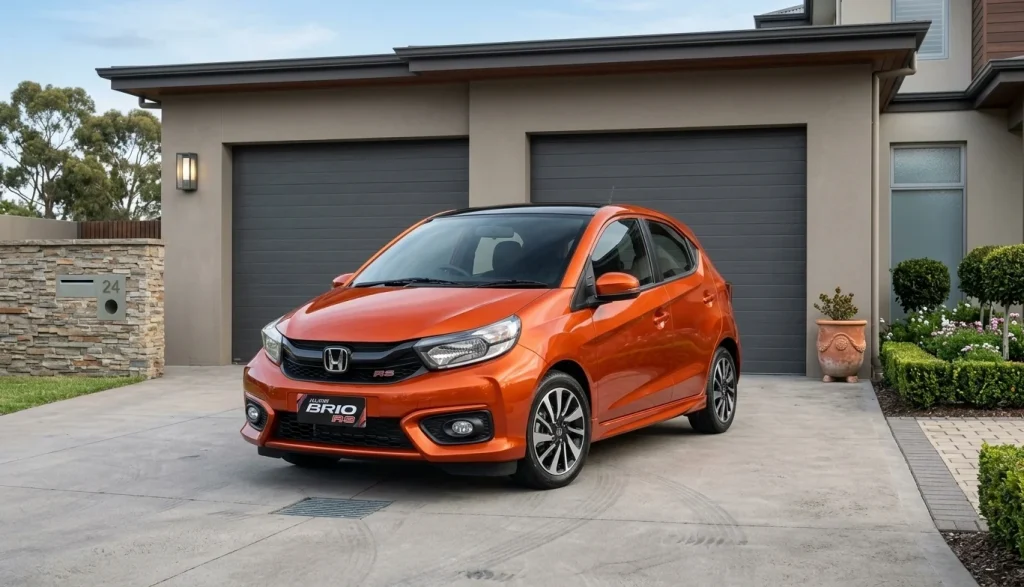
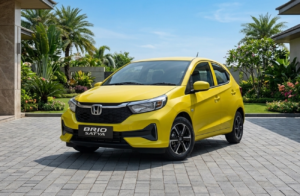
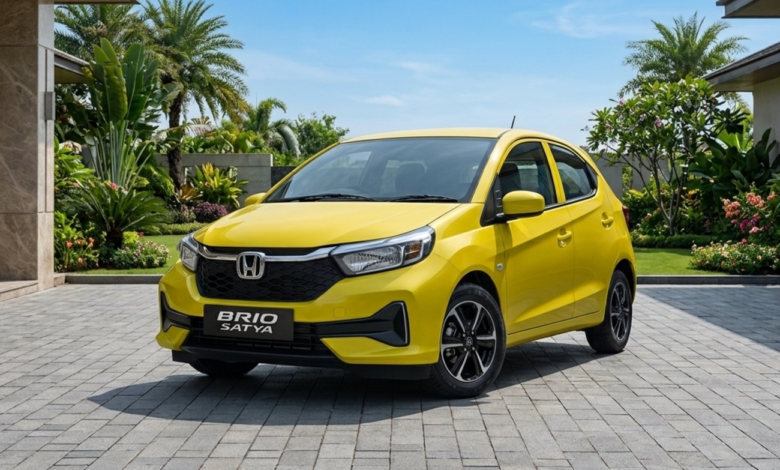
The Honda Brio Satya, while sharing the same market segment, differentiates itself through a more potent 1.2-liter i-VTEC engine. This provides a more responsive driving experience, which has allowed the Brio to maintain a stronger resale value compared to its peers. Consequently, buyers in this segment often find that a 2014–2015 Brio commands a price closer to the top of the IDR 85 million range.
Compact City Cars and European-Styled Alternatives
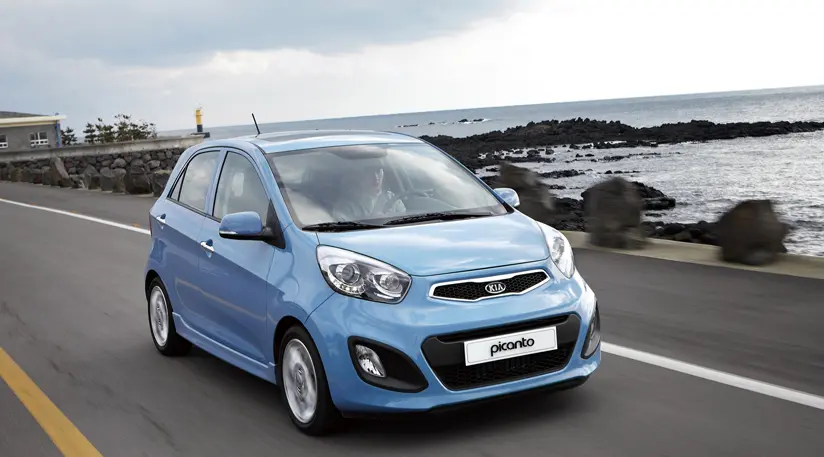
Beyond the LCGC category, models such as the Nissan March and Kia Picanto offer a different proposition. The Nissan March, particularly in its earlier 2010–2013 iterations, appeals to buyers seeking a more "premium" feel than a standard LCGC, often featuring amenities like Intelligent Key systems and more robust build quality. The Kia Picanto remains a favorite for those prioritizing aesthetics and compact agility, though prospective buyers are cautioned that the availability of specific spare parts for non-Japanese brands can occasionally necessitate longer lead times or higher costs compared to local market leaders.
The Role of Sedans and MPVs in Budget Mobility
For those who prioritize passenger capacity or comfort over fuel-sipping compact dimensions, the sedan and MPV markets provide mature options.
The Sedan Segment: Toyota Vios and Camry
The Toyota Vios (specifically the 2007–2008 models) is frequently cited by automotive mechanics for its legendary reliability, largely due to the 1NZ-FE engine platform, which is shared across several Toyota models. This ubiquity ensures that parts are available at virtually every automotive shop in the country. At the higher end of the spectrum, the Toyota Camry (2002–2005) provides an entry point into executive-class luxury. While the purchase price is low, owners must be prepared for higher operating costs, including increased fuel consumption and the maintenance of more sophisticated electronic systems.
The Family Haulers: Avanza, Xenia, and Utility Vehicles
The "Avanza-Xenia" duo remains the undisputed champion of the Indonesian used MPV market. Models from 2008–2013 are widely considered "bulletproof" in terms of mechanical endurance. The rear-wheel-drive (RWD) configuration of these early generations is a significant advantage for families living in areas with uneven terrain or frequent inclines.
Similarly, the Daihatsu Sigra and Toyota Calya, introduced later as an evolution of the 7-seater concept, offer a more modern design language. However, finding a well-maintained, low-mileage unit under IDR 85 million requires diligence, as these vehicles remain in high demand for their fuel efficiency and modern features.
A Chronological Guide to Model Years and Value
| Vehicle Class | Primary Models | Recommended Year Range |
|---|---|---|
| LCGC | Daihatsu Ayla, Toyota Agya | 2013–2016 |
| City Car | Honda Brio, Nissan March | 2014–2016 |
| MPV | Toyota Avanza, Daihatsu Xenia | 2008–2012 |
| Sedan | Toyota Vios, Toyota Camry | 2005–2008 |
| Compact MPV | Daihatsu Sigra, Toyota Calya | 2016–2018 |
Technical Inspection: Minimizing Ownership Risks
Purchasing a vehicle in this price range necessitates a structured inspection process to avoid "hidden" costs. Industry experts recommend a five-point diagnostic approach:
- Engine Health: Check for signs of oil leakage, smoke from the exhaust, and coolant contamination. A cold-start test is essential to identify potential timing chain or belt issues.
- Transmission Integrity: For automatic transmissions, ensure that gear shifts are smooth and without hesitation or "clunking" noises. Manual transmissions should be checked for clutch slippage.
- Frame and Chassis: Ensure the vehicle has no history of major accidents or flooding. Structural damage can lead to long-term alignment issues and safety compromises.
- Electrical Systems: Test all interior electronics, including windows, air conditioning, and infotainment, as electrical repairs on older models can be labor-intensive.
- Documentation: Verify the validity of the STNK (Vehicle Registration Certificate) and BPKB (Ownership Book) to ensure the vehicle is legally compliant and that tax payments are current.
Broader Impact and Economic Implications
The availability of cars under IDR 85 million supports the broader automotive ecosystem by facilitating the "ladder" of vehicle ownership. As individuals upgrade from motorcycles to their first car, they contribute to a more formalized and taxed automotive sector. Furthermore, the robust market for these used vehicles provides an essential secondary income stream for local workshops, specialized spare-parts retailers, and professional inspection services.
While the appeal of an inexpensive car is undeniable, the long-term cost of ownership (TCO) must be factored into the buyer’s financial planning. A vehicle that costs IDR 80 million might require an immediate investment of IDR 5–10 million in preventative maintenance—such as replacing tires, flushing fluids, and updating the suspension components—to ensure it remains a reliable asset rather than a liability.
Ultimately, the choice of vehicle should be dictated by the buyer’s primary use case. A daily urban commuter should prioritize fuel efficiency and compact dimensions, while a family requiring transport for weekend travel should lean toward the proven reliability of the MPV segment. By conducting thorough research and physical inspections, buyers can navigate the used car market with confidence, securing a vehicle that offers years of reliable service within their defined budget.