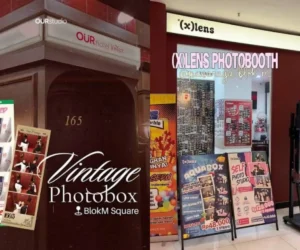
The evolution of Jakarta’s culinary landscape has reached a pivotal juncture in the Blok M area, specifically within the newly energized Blok M Hub. Once known primarily as a transit terminal and a shopping destination for retro music and books, the district has successfully repositioned itself as the epicentre of Jakarta’s modern "food crawl" culture. This revitalization is not merely a collection of stalls but a strategic urban development response to the changing habits of Gen Z and Millennial urbanites who prioritize "experience-based dining." As of the latest assessment, the area now hosts a high density of viral culinary establishments, catering to a diverse demographic that ranges from office workers seeking a quick, quality lunch to food enthusiasts scouting for the latest social media-trending snacks.
The Evolution of the Blok M Culinary Scene
Blok M has historically served as a nexus of commerce in South Jakarta. However, the last five years have seen a definitive shift in the area’s identity. Following the revitalization of the transit hub, foot traffic surged, providing a captive audience for small-to-medium enterprise (SME) food vendors. Unlike traditional shopping malls that feature standardized chain restaurants, the Blok M Hub ecosystem thrives on the "curated experience."
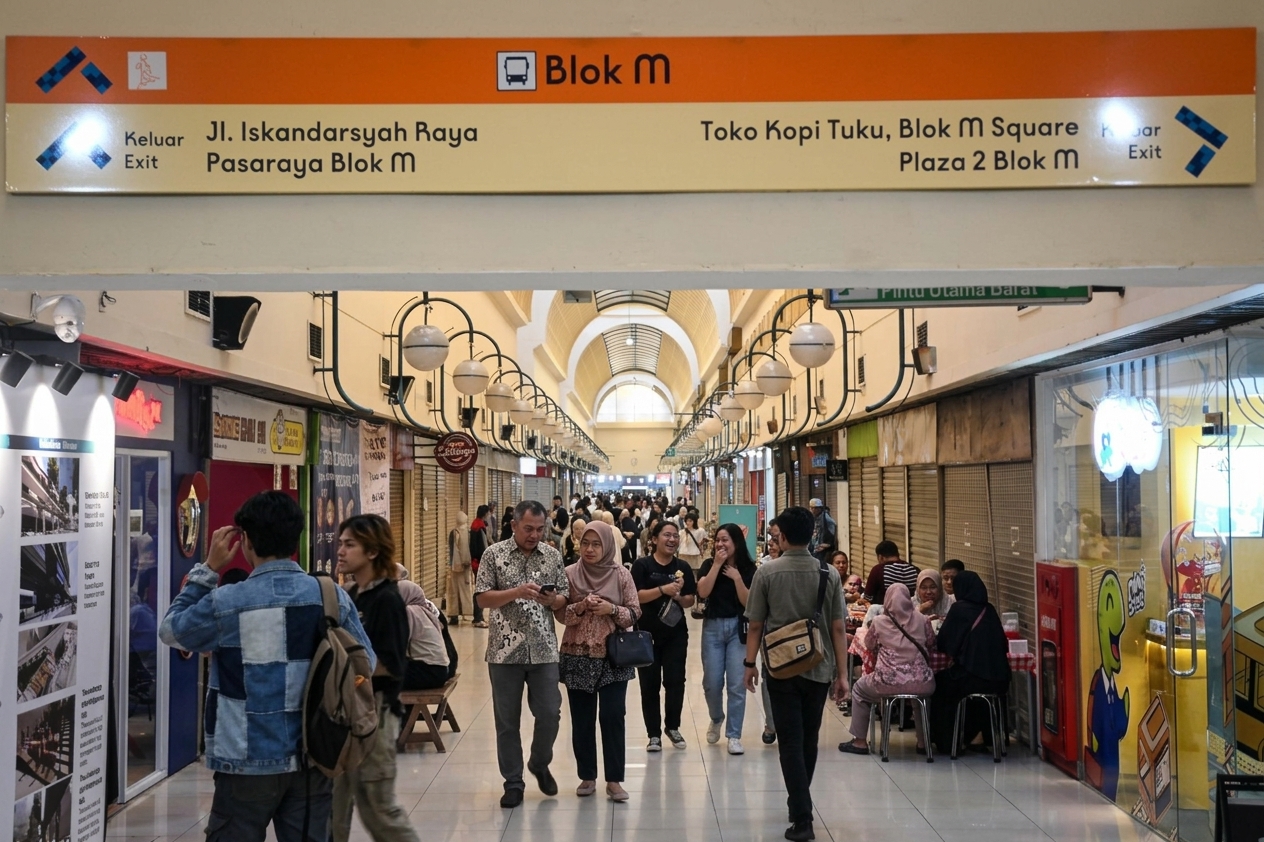
Recent urban planning data suggests that the concentration of food and beverage (F&B) outlets in this corridor has increased by approximately 40% since 2022. This density is supported by the proximity to the MRT Jakarta lines, which has transformed the area into an accessible "third space"—a place between home and work where people congregate. The popularity of these food spots is largely driven by organic social media engagement, where aesthetic presentation and unique flavor profiles turn local vendors into viral sensations overnight.
A Curated Selection: 20 Culinary Destinations at Blok M Hub
The following list represents the current top-performing and highly-rated establishments within the Blok M Hub, categorized by their culinary contribution to the area.
1. Traditional Comforts: Mie Kangkung Kite and Soto UFO
Established in 2002, Mie Kangkung Kite remains a cornerstone of the area’s heritage food scene. Its enduring popularity is attributed to its consistency in delivering the authentic, savory profiles of Betawi-style noodles. Similarly, Soto UFO has emerged as a go-to for those seeking warm, traditional Indonesian comfort food. These establishments provide a necessary counter-balance to the modern, fast-paced snack kiosks, serving as a reminder of Jakarta’s culinary roots.
2. The Modern Beverage Culture: Jurnal Risa Coffee and Ice WS
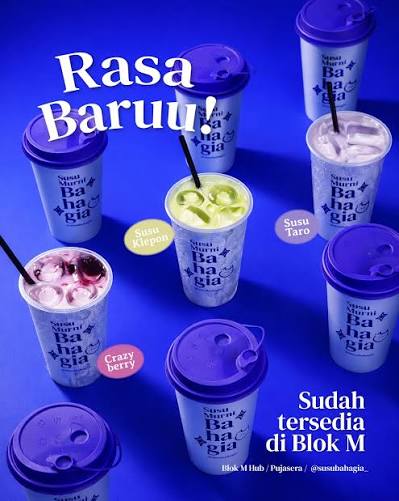
Coffee culture in Indonesia has moved beyond simple caffeine consumption toward lifestyle branding. Jurnal Risa Coffee, known for its thematic approach, has successfully integrated storytelling with quality brewing. Conversely, Ice WS addresses the demand for healthier, refreshing alternatives by focusing on coconut-based infusions. These venues are frequently cited as the most popular "third spaces" for collaborative work or social interaction.
3. Street Food Reimagined: Cimol Keju Barito and Chickumbar
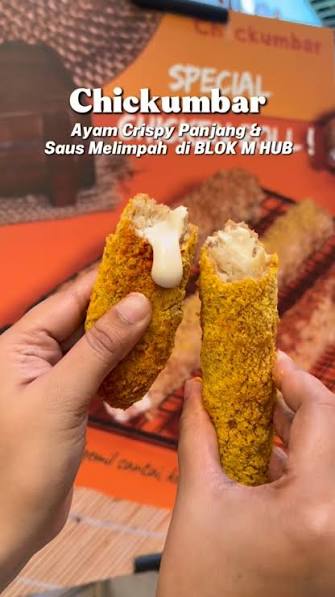
The "snackification" of the lunch hour is a growing trend. Cimol Keju Barito takes a classic street snack—tapioca flour balls—and elevates it with high-quality cheese fillings, effectively modernizing a traditional street food for a more discerning palate. Chickumbar follows a similar trajectory, offering poultry-based snacks with a focus on convenience and portability, which is essential for the high-mobility crowd utilizing the nearby transit lines.
4. Hearty Meals for the Urban Workforce
For those requiring more substantial sustenance, several vendors have gained traction:
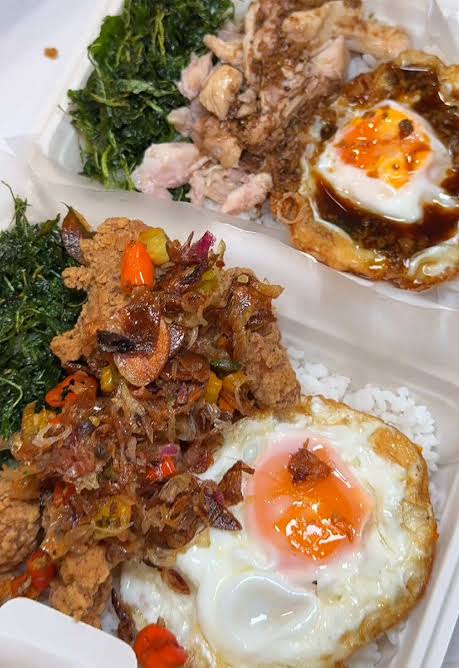
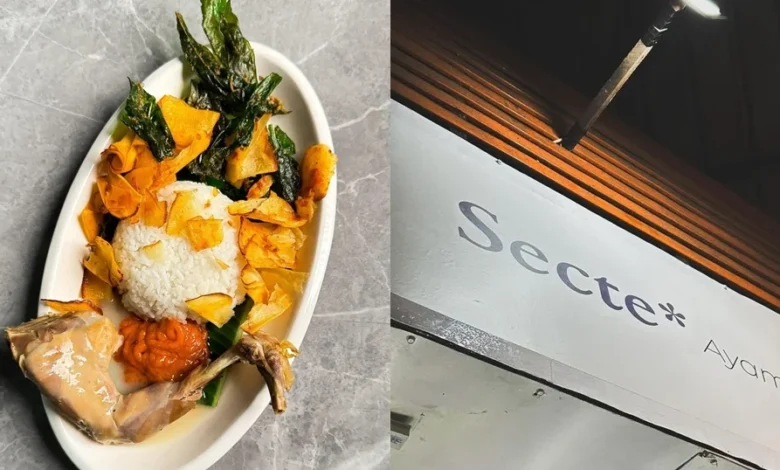
- Ayam Renald & Secte Ayam Pop: Both emphasize the richness of Indonesian spices. Secte Ayam Pop, in particular, has seen a rise in demand for authentic Padang-style comfort, providing high-protein options that cater to the local office demographic.
- Nasi Kokoh & Lima Suap: These outlets represent the "Rice Bowl" trend, where quick, balanced meals are presented with international influences like Thai Basil or Green Curry, reflecting the globalized palate of Jakarta’s youth.
- Bakso TBK & Bakmi Bangka Pan Pan Pan: These specialized stalls focus on high-quality ingredients and specific regional textures, catering to the "noodle-and-meatball" culture that is quintessentially Jakarta.
- Nasi Uduk dan Tempong Om Dru: This establishment captures the demand for "lalapan" (traditional vegetable and sambal accompaniments), a staple of the Indonesian lunch culture.
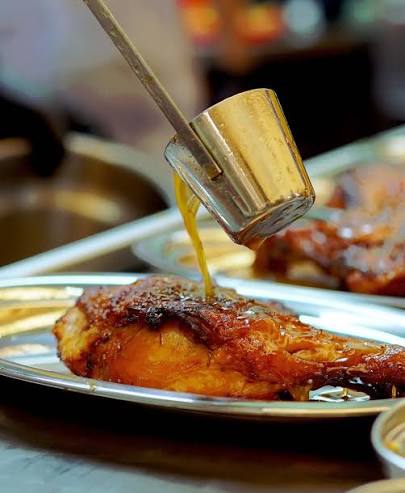
- Ayam Becek Legendaris: Known for its customizable spice levels and varied poultry cuts, this vendor addresses the preference for "challenging" or intense flavors, a major driver of viral food content.
5. Pastry and International Influences
Animo Bakery and Peel Of have carved out a niche for those seeking European-inspired pastries and modern snacks. These spots serve as the bridge between the morning commute and the afternoon energy slump, providing high-quality, artisanal options that are increasingly sought after by the professional class in South Jakarta.
Economic and Social Implications
The proliferation of these viral food spots has significant implications for urban planning and local economics. Firstly, the "Blok M effect" demonstrates how transit-oriented development (TOD) can revitalize struggling commercial areas. By focusing on small-scale, high-quality food tenants, the area has avoided the stagnation seen in more homogenized shopping centers.
From an economic standpoint, these vendors operate on a high-volume, low-margin model that is heavily reliant on the high foot traffic of the Blok M transit hub. The "viral" nature of these businesses acts as a form of free marketing, allowing small entrepreneurs to compete with larger, established franchises. Furthermore, the diversity of the menu—ranging from traditional Soto to Western-style pastries—ensures that the area remains relevant to a broad cross-section of society, effectively democratizing the culinary experience.
Challenges and Future Outlook
While the success of Blok M Hub is evident, it faces challenges regarding sustainability. The reliance on viral trends can lead to rapid turnover, where businesses that fail to innovate or maintain quality are quickly replaced. Additionally, managing the physical infrastructure to handle the influx of visitors remains a primary concern for local administrators.
Industry analysts suggest that for the Blok M Hub to maintain its status, it must transition from a "trend-driven" destination to a "culture-driven" one. This involves fostering long-term relationships between landlords and tenants, ensuring that the infrastructure—such as waste management and seating capacity—can handle the growing crowds.
Recommendations for Visitors
For those planning to visit, logistical preparation is essential. The area is best accessed via the MRT, as parking for private vehicles in the Blok M corridor is limited and often reaches capacity during peak hours. Weekday lunch hours (12:00 PM to 2:00 PM) are significantly busier than weekend mornings. Visitors are encouraged to utilize digital payment systems, as almost all vendors in the hub have transitioned to a cashless environment.
Ultimately, the Blok M Hub is more than just a destination for food; it is a microcosm of Jakarta’s modern urban identity. It reflects a city that is learning to balance its historical culinary traditions with the demands of a globalized, digitally-connected society. As the area continues to develop, it will likely serve as a blueprint for other urban transit nodes across Indonesia seeking to stimulate local economies through the power of gastronomy.