Understanding the Purpose, Significance, and Step-by-Step Procedure of Tayamum in Islamic Jurisprudence

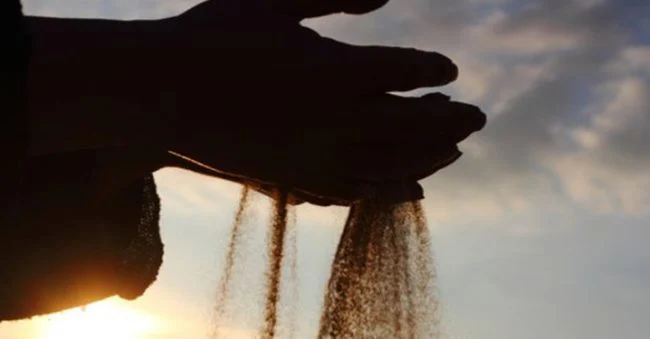
In Islamic jurisprudence, the practice of wudu (ablution) using water serves as the fundamental prerequisite for performing ritual prayers (salat). However, the Sharia provides necessary concessions for believers who find themselves in situations where water is either unavailable or physically harmful to use. This alternative method of purification is known as tayamum—a dry ritual purification performed using clean soil, sand, or dust. As a cornerstone of Islamic flexibility, tayamum ensures that the obligation of prayer remains accessible under diverse conditions, ranging from medical emergencies to travel constraints.

Historical Context and Theological Foundation
The legitimacy of tayamum is firmly rooted in the Quranic revelation, specifically in Surah An-Nisa (4:43) and Surah Al-Ma’idah (5:6). These verses outline the specific circumstances under which a believer is permitted to substitute water for earth. Historically, this dispensation was revealed to the Prophet Muhammad and his companions during various military expeditions and travel scenarios where water supplies were depleted or inaccessible.
Theological scholars emphasize that tayamum is not merely a symbolic act but a legitimate form of ritual purification that restores a person to a state of taharah (purity). The practice underscores a core tenet of Islamic law: "Hardship brings ease." By allowing for tayamum, the faith acknowledges human limitations, ensuring that the spiritual connection with the Creator remains uninterrupted by environmental or physical adversity.

Criteria for Permissibility
Tayamum is not a substitute for wudu under normal circumstances; it is a specialized provision. According to major schools of thought, there are three primary conditions that authorize the use of tayamum:
- Absence of Water: This applies when a person has searched for water within a reasonable radius and failed to find any. In modern contexts, this includes situations where water supplies are contaminated or restricted.
- Medical Necessity: If a person suffers from a condition where water usage would exacerbate an illness, hinder recovery, or cause significant physical harm, they are exempt from wudu.
- Environmental Constraints: Travelers or those in remote areas who face extreme difficulty in accessing water—or for whom searching for water would lead to missing the prayer time or leaving behind a traveling party—are permitted to perform tayamum.
It is important to note that tayamum is valid only for one obligatory prayer. If a believer wishes to perform multiple obligatory prayers, they must, in principle, perform a new tayamum for each, unless they have remained in a state of purity throughout.

The Theological Significance of the "Earth"
The requirement to use "clean earth" (sa’id) is symbolic of the origin of humanity and the humility required in worship. Islamic scholars clarify that the medium does not necessarily have to be limited to dirt. It encompasses any clean, natural surface on the earth, including sand, dust, rocks, or even walls, provided they are free from najis (impurities such as animal waste, chemicals, or synthetic coatings).
The reliance on earth serves as a reminder of the believer’s connection to the physical world, reinforcing the concept that God has made the entire earth a place of prostration and purification for the followers of the Prophet Muhammad.

Step-by-Step Ritual Procedure
The ritual of tayamum is characterized by its simplicity and brevity, consisting of four essential components: the intention (niyah), the act of touching the earth, the wiping of the face, and the wiping of the hands.
- Intention (Niyah): The practitioner must sincerely intend to perform the act of tayamum to permit the prayer. The standard invocation, "Nawaitu Tayammuma Lisstibaahatish Shalaati Fardlol Lillaahi Ta’aalaa" (I intend to perform tayamum to make the prayer permissible for the sake of Allah), serves as an internal affirmation of this purpose.
- Striking the Earth: The practitioner places their palms on a clean surface, such as the ground or a wall, while ensuring their fingers are spread.
- Wiping the Face: The palms are then passed over the entire face, from the hairline to the chin. Unlike wudu, there is no requirement to wash inside the ears or nostrils.
- Wiping the Hands: The practitioner wipes the back of the right hand with the left palm, then the back of the left hand with the right palm, reaching up to the wrists. Some traditions also incorporate wiping the thumbs against each other.
Legal and Practical Implications
The application of tayamum has significant implications for modern healthcare and emergency management. In hospital settings, patients who are bedridden or connected to life-support systems often rely on tayamum to maintain their prayer obligations. Religious authorities generally provide guidance on how to perform this using sterile, designated surfaces to prevent infection, highlighting the adaptability of Islamic law to contemporary medical environments.

Furthermore, the requirement to remove obstacles—such as rings or wristwatches—before performing the ritual reflects the emphasis on ensuring that the earth makes direct contact with the skin. This meticulousness underscores that even in the absence of water, the rigor of the ritual must be maintained to the best of the individual’s ability.
Common Misconceptions
A recurring question among the faithful involves the validity of tayamum for those who are physically capable but simply choose not to use water. Islamic law is explicit: tayamum is a concession, not an option. Deliberately avoiding water when it is readily available and safe to use renders the tayamum invalid.

Another frequent inquiry concerns the "expiration" of tayamum. Unlike wudu, which can be maintained throughout the day until broken by specific acts (such as using the restroom or sleeping), tayamum is generally restricted to the performance of a single obligatory prayer. This reinforces the status of tayamum as an emergency provision rather than a permanent state of purity.
Broader Societal and Spiritual Impact
The existence of the tayamum provision illustrates the balance between strict adherence to religious requirements and the reality of human circumstances. By integrating the physical environment into the act of worship, Islam fosters a sense of stewardship and awareness.

The broader implication of this practice is the prevention of religious alienation. In times of war, natural disasters, or pandemics, the ability to maintain one’s religious practices despite a lack of resources provides psychological and spiritual stability. The simplicity of the ritual ensures that no believer is excluded from the communal act of prayer due to socioeconomic or physical disadvantages.
Concluding Summary
As an alternative to water-based ablution, tayamum stands as a testament to the comprehensive nature of Islamic law. By focusing on the intention of the heart and the sanctity of the earth, the practitioner fulfills their duty to God while navigating the constraints of their environment. Whether in a hospital room, during a long-distance flight, or in an area with water scarcity, the principles of tayamum remain a vital component of the daily lives of millions, ensuring that the call to prayer is always answered with dignity, sincerity, and purpose.

For those seeking to implement this practice, it is advised to seek guidance from local scholars or Islamic centers to ensure that the specific conditions of their situation are met in accordance with the established jurisprudence of their respective schools of thought. As the community continues to grow and adapt to modern challenges, the timeless nature of these ritual concessions remains a pillar of accessibility in the Islamic faith.