The Provincial Government of Jakarta is currently conducting a comprehensive review regarding a proposal to open 76 public parks across the capital city on a 24-hour basis. This initiative, aimed at expanding public access to green spaces, reflects a shifting urban strategy to accommodate the lifestyle of a modern, fast-paced metropolitan population. While the policy promises to enhance the quality of life for residents, it also presents significant challenges, primarily concerning safety, security, and the long-term maintenance of these vital environmental assets.
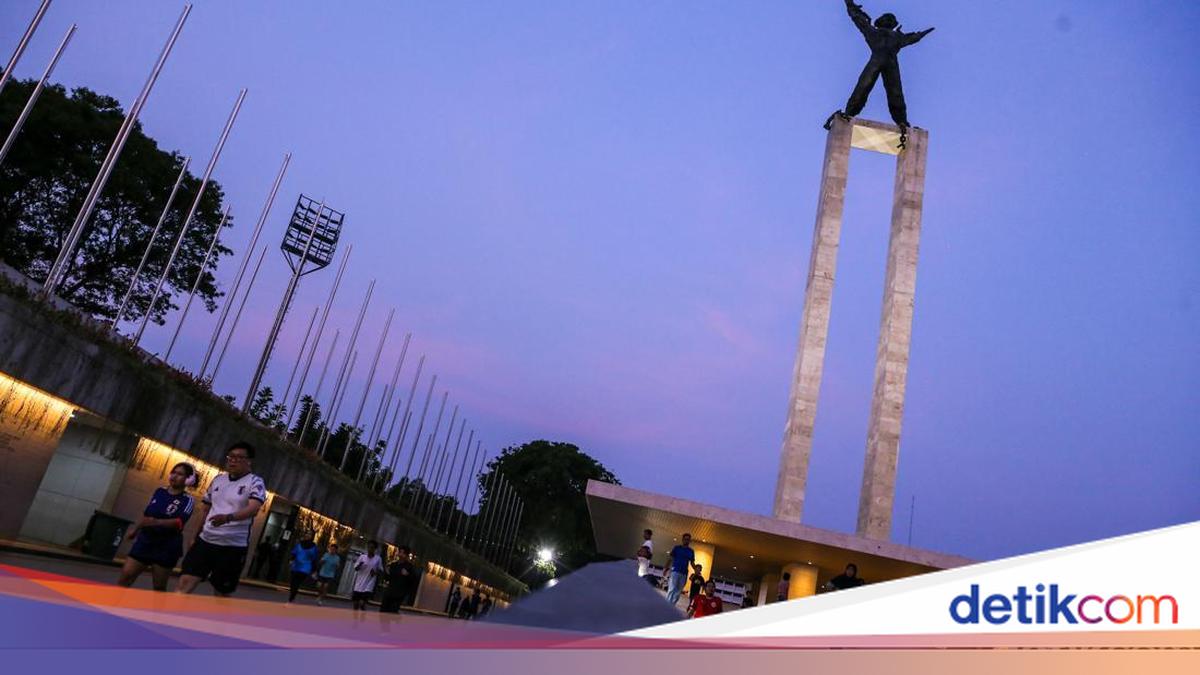
As of November 2, 2026, the discussion has transitioned from a conceptual proposal to a formal deliberation within the city’s urban planning agencies. The potential expansion follows the success of pilot programs involving five major urban parks, which have served as the baseline for assessing the feasibility of a broader, city-wide operation.
The Evolution of Jakarta’s Green Spaces
For decades, Jakarta has grappled with a deficit of public open spaces compared to its dense population. In recent years, however, the local administration has prioritized the revitalization and development of parks to serve as "the lungs of the city." This transformation has not only focused on aesthetics and environmental health but also on social utility.

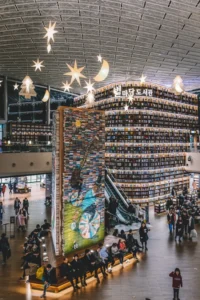
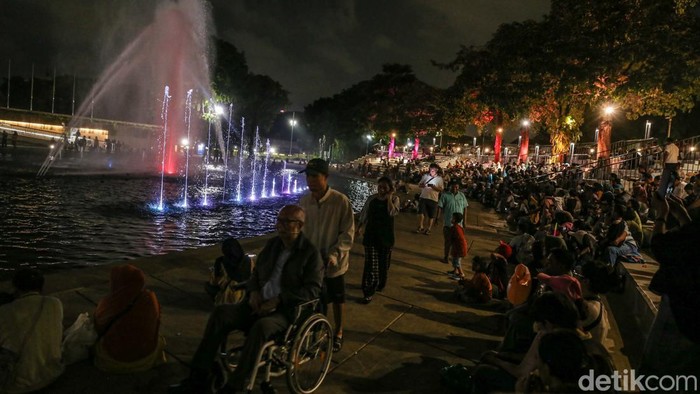
The shift toward 24-hour accessibility began in earnest around May 2025, when five prominent locations—Taman Menteng, Taman Lapangan Banteng, Taman Ayodya, Taman Langsat, and the Taman Literasi Martha Christina Tiahahu—were granted permission to operate around the clock. These parks have since become popular hubs for nocturnal activity, attracting students, professionals, and families who seek a reprieve from the heat and congestion of the city during the cooler evening hours.
The positive reception of these five sites has provided the administration with the confidence to consider a more aggressive expansion. By proposing to open 76 additional parks, the government aims to democratize access to leisure spaces, ensuring that residents in various administrative regions—not just the central business district—have a place to congregate safely at night.

Security and Infrastructure Challenges
Opening public spaces at night is not without its complexities. The primary concern for the Jakarta Provincial Government is the preservation of safety for park visitors. Unlike daylight hours, where natural light and high foot traffic act as deterrents to illicit activities, the night poses a different set of security risks.
In response to these concerns, the administration has outlined a preliminary strategy that relies heavily on technology and enhanced surveillance. The installation of closed-circuit television (CCTV) systems is a cornerstone of the proposed security framework. These cameras are intended to provide real-time monitoring and act as a preventive measure against crime, vandalism, and the misuse of public property.
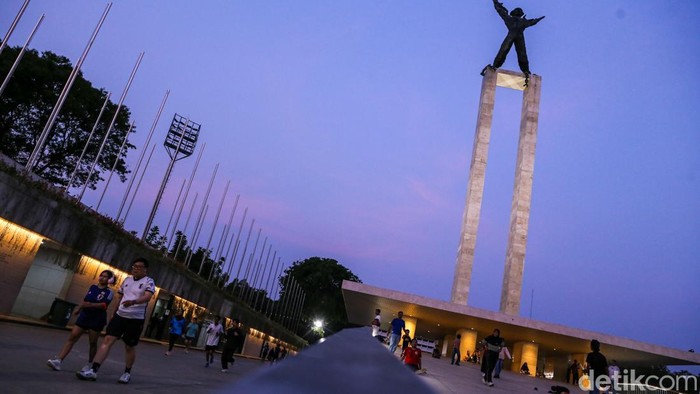
Furthermore, the government is considering an increased deployment of security personnel, including both park rangers (often referred to as ‘Satgas’ or Task Forces) and local municipal police, to ensure that the parks remain safe environments. This approach necessitates a significant increase in the operational budget, as the maintenance of these parks will now require lighting, sanitation services, and security staffing on a continuous, multi-shift basis.
Economic and Social Implications
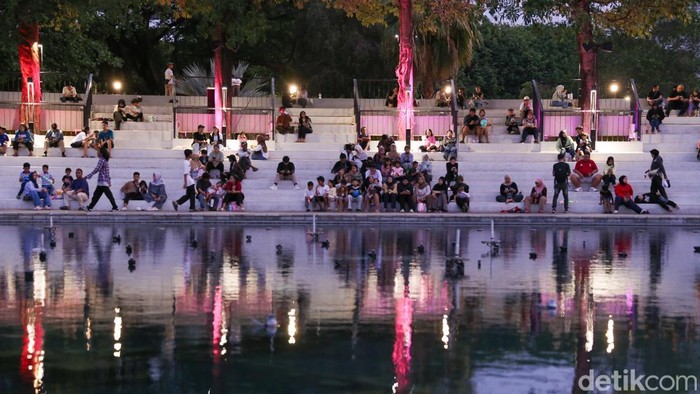
The decision to keep parks open 24 hours a day carries significant socioeconomic implications. For one, it supports the "night economy," allowing vendors, small-scale entrepreneurs, and food and beverage businesses in the vicinity of these parks to extend their operational hours. This could lead to increased local economic activity and job creation.
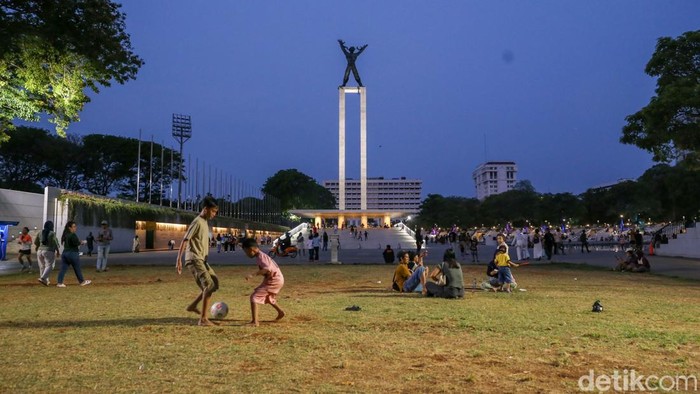
From a social perspective, the move is seen as an effort to mitigate the "urban heat island" effect. Jakarta’s high density and prevalence of concrete structures trap heat throughout the day, and for many residents living in cramped conditions without adequate ventilation, public parks offer a necessary thermal refuge during the night. Providing these spaces for free also promotes social equity, giving all citizens, regardless of economic background, access to high-quality recreational facilities.
However, critics of the plan have raised concerns regarding the potential for noise pollution in residential areas adjacent to these parks. There is also the challenge of waste management; a 24-hour park will generate more refuse, requiring a more efficient and frequent cleaning schedule to prevent the accumulation of trash that could attract pests or degrade the park’s environment.
A Timeline of Urban Planning Progress
The progression of this policy can be viewed through a specific timeline of administrative milestones:
- May 2025: The initiation of the 24-hour operation pilot program in five key parks (Menteng, Lapangan Banteng, Ayodya, Langsat, and Taman Literasi).
- Late 2025 – Early 2026: Monitoring and evaluation phase. Data collection on visitor demographics, security incidents, and maintenance costs are compiled.
- Mid-2026: Initial proposals for expansion are drafted, identifying 76 candidate parks based on their location, size, and existing infrastructure.
- November 2026: The current status, where the proposal is under active review, with discussions focusing on the funding for security infrastructure and the logistical challenges of round-the-clock maintenance.
Comparative Analysis: Jakarta’s Global Positioning
When compared to other global metropolitan areas, Jakarta’s move to expand 24-hour public spaces aligns with international trends in urban design. Cities such as London, New York, and Singapore have long utilized well-lit, monitored public parks as integral parts of their nighttime infrastructure. In these cities, the success of such spaces is often attributed to a combination of strong lighting design, regular patrols, and community engagement.
Jakarta’s challenge, however, is unique due to the sheer scale of the city’s population and the current state of its urban infrastructure. Unlike many developed cities where public lighting and security infrastructure are standardized across all neighborhoods, Jakarta faces disparities in infrastructure quality between different districts. The success of the 76-park expansion will depend on the government’s ability to standardize security and maintenance quality across all locations, regardless of their proximity to the city center.
Official Stance and Future Outlook
While the government has not yet provided a definitive date for the full rollout of the 76-park plan, officials have emphasized that the decision will not be rushed. The current phase involves a thorough cost-benefit analysis. The administration has hinted that if the expansion is approved, it may be implemented in phases, starting with parks that are already equipped with a baseline of security infrastructure and are located in high-traffic areas.
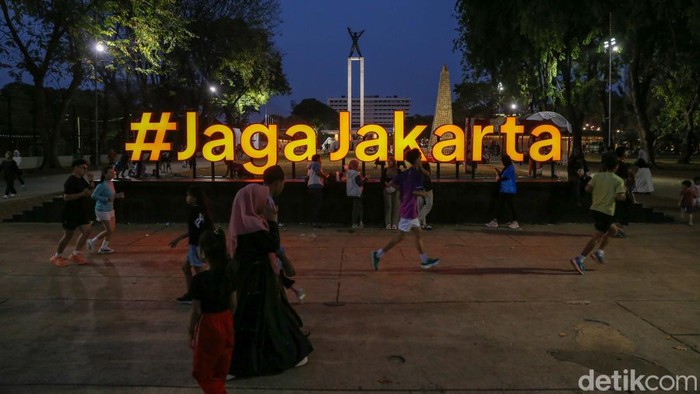
The Provincial Government has also encouraged public participation, noting that the sustainability of these parks relies on the community’s cooperation. Residents are being urged to take ownership of these spaces by adhering to rules regarding waste disposal, noise levels, and property preservation. The "Travel and Share" sentiment promoted by local tourism boards encourages residents to document their experiences in these parks, which further serves to highlight the importance of these spaces as cultural and social landmarks.
Technical Requirements for Success
For the 76 parks to operate successfully, the Jakarta government must address several technical requirements:
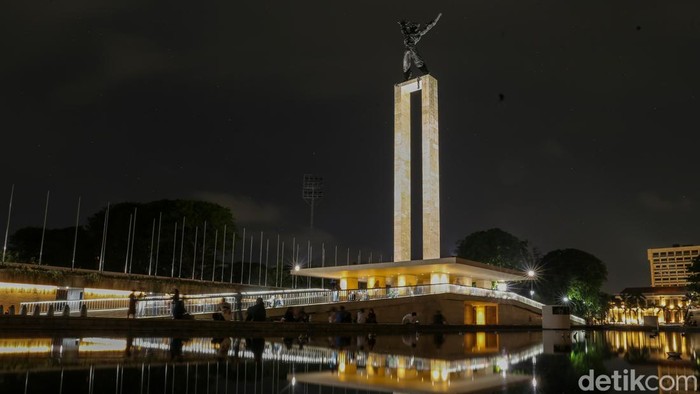
- Illumination Standards: The parks must be retrofitted with high-efficiency, long-lasting LED lighting that covers all pathways and public seating areas to ensure visibility and a sense of safety.
- Surveillance Integration: Linking all 76 parks to a central monitoring command center will be essential for rapid response to security incidents.
- Sanitation Cycles: Transitioning to a three-shift cleaning rotation to ensure that maintenance teams are present during the late-night and early-morning hours.
- Community Policing: Engaging with local neighborhood leaders (RT/RW) to facilitate community-based oversight, which has been shown in previous projects to reduce vandalism.
Conclusion
The potential opening of 76 parks for 24-hour access represents a bold step in Jakarta’s urban development journey. By attempting to bridge the gap between the city’s dense residential landscape and the need for high-quality, accessible public green spaces, the administration is signaling a shift toward a more inclusive and human-centric urban design.
As the government continues its deliberations, the focus remains on finding the delicate balance between openness and control. If implemented effectively, the policy could serve as a model for other rapidly growing cities in Southeast Asia, demonstrating how green space can be successfully integrated into the rhythm of a 24-hour city. The coming months will be critical, as the administration moves from internal reviews to the potential procurement of security and maintenance resources, setting the stage for what could be one of the most significant shifts in Jakarta’s public life in the last decade.
Related posts: