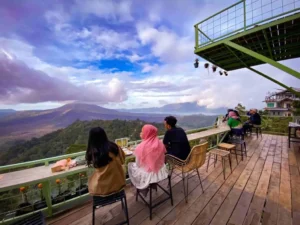
The Rise of Travel as a Modern Lifestyle: Why Experiences Are Outperforming Material Investments Among Millennials and Generation Z


The modern landscape of consumer behavior is undergoing a fundamental paradigm shift, with younger demographics increasingly prioritizing experiential consumption over traditional wealth accumulation. For Millennials and Generation Z, traveling is no longer merely a periodic leisure activity or a vacation from work; it has evolved into a definitive lifestyle choice. This cultural pivot reflects a broader socio-economic transition where investing in personal experiences, cultural immersion, and self-discovery is perceived as significantly more valuable than acquiring conventional material assets such as real estate or automobiles during early adulthood.
Background Context: The Evolution of Consumer Priorities
Historically, financial planning models for young adults centered around a linear trajectory: complete education, secure stable employment, purchase a home, buy a vehicle, and build a long-term monetary savings portfolio. However, economic realities of the 21st century—including fluctuating housing markets, rising costs of living, and shifting employment structures such as the rise of remote work and the gig economy—have heavily influenced generational perspectives on financial security and success.
Coupled with the rapid democratization of travel through budget airlines, digital booking platforms, and widespread internet connectivity, exploring the globe has become more accessible than ever. Social media platforms further amplify this trend by showcasing remote destinations and hidden natural wonders, creating a powerful cultural incentive for young people to seek out physical and psychological liberation beyond their immediate geographic boundaries. Rather than deferring gratification until retirement—a milestone that younger generations view with increasing skepticism—contemporary travelers prefer to accumulate rich, memorable life experiences during their physical prime.
Economic and Psychological Implications of Experiential Investment
From a psychological standpoint, consumer research consistently indicates that experiential purchases tend to generate more enduring happiness than material possessions. Material goods often suffer from the "hedonic adaptation" effect, where the initial excitement of a purchase fades quickly as it becomes a routine part of daily life. Conversely, travel experiences undergo positive cognitive recontextualization over time; memories are often romanticized, shared, and integrated into an individual’s core identity.

Sociologists and economists studying generational trends note that this shift is not necessarily a rejection of financial stability, but rather a redefinition of what constitutes "wealth." For many modern workers, wealth is measured in adaptability, global perspective, mental resilience, and personal narrative breadth. Exploring unfamiliar environments challenges individuals to step outside their comfort zones, fostering emotional intelligence and cross-cultural empathy that monetary investments alone cannot buy.
Navigating the Lifestyle Travel Movement: Practical Frameworks
Transitioning into a travel-centric lifestyle requires careful psychological preparation and strategic adaptability. Industry experts and experienced long-term travelers emphasize that adopting this lifestyle demands a departure from rigid planning and a high tolerance for uncertainty. To successfully integrate travel as a core component of daily life without compromising personal safety or financial stability, practitioners often adhere to several foundational guidelines.
Cultivating Psychological Resilience and Courage
The primary barrier preventing individuals from embracing a nomadic or travel-heavy lifestyle is the psychological attachment to predictability and absolute safety. Traditional financial advisory models often advocate for substantial monetary buffers before undertaking major life changes. However, proponents of lifestyle travel argue that waiting for financial perfection can lead to perpetual postponement.
Instead, building resilience involves developing the courage to utilize current resources effectively and managing calculated risks. This does not imply reckless abandonment of financial prudence, but rather a shift toward trusting one’s ability to navigate unexpected challenges abroad. The modern traveler learns to view uncertainty not as a threat, but as an inherent element of personal growth.
Embracing Flexibility Over Rigid Itineraries
Traditional tourism relies heavily on meticulously curated itineraries, tightly scheduled tours, and fixed timelines. In contrast, lifestyle travel prioritizes fluidity. While establishing a broad conceptual framework—such as a general destination or a rough timeframe—is necessary, adhering too strictly to an itinerary often restricts organic exploration.

When travelers allow room for spontaneity, they open themselves up to authentic interactions with local communities, unexpected cultural festivals, and off-the-beaten-path locations that standard guidebooks frequently overlook. This approach teaches individuals to respond dynamically to changing environments rather than experiencing frustration when plans deviate from initial expectations.
Mastering Cross-Cultural Adaptability
A successful transition into lifestyle travel fundamentally depends on cross-cultural competence. Navigating foreign socio-political landscapes, overcoming linguistic barriers, and respecting diverse societal norms require high levels of emotional maturity and situational awareness.
Travelers who immerse themselves in different communities must develop the capacity to listen actively, observe local customs respectfully, and adjust their interpersonal communication styles. This adaptability serves as an invaluable transferable skill, enhancing professional versatility, problem-solving capabilities, and interpersonal relationships long after the journey concludes.
Industry Reactions and Socio-Economic Impact
The exponential growth of the lifestyle travel movement has elicited profound responses across various economic sectors, particularly within hospitality, aviation, and financial services. Traditional banking institutions are increasingly tailoring their products to accommodate digital nomads and flexible workers, offering multi-currency accounts, low-fee international transactions, and specialized insurance policies designed for long-term travelers.
Concurrently, the hospitality sector has witnessed a surge in demand for accommodations that cater to experiential and long-stay travelers, such as co-living spaces, boutique hostels equipped with co-working hubs, and community-integrated homestays. Tourism boards in emerging destinations are shifting their marketing strategies away from luxury mass tourism toward sustainable, community-based travel models that appeal to conscientious younger travelers seeking meaningful local engagement.

Broader Impacts and Future Outlook
As remote work policies become permanently integrated into the global labor market, the boundary between professional obligations and personal leisure continues to dissolve. This structural shift suggests that lifestyle travel is not a transient fad, but a permanent evolution in how modern generations choose to allocate their time, capital, and energy.
Ultimately, the movement toward experiential investment highlights a broader cultural awakening: the realization that the quality of human life is deeply enriched by exposure to diverse perspectives, unfamiliar geographies, and continuous personal reinvention. By prioritizing memories and adaptability over accumulation, contemporary travelers are redefining the markers of a successful and fulfilling life.