Choosing the Ideal Preschool: Balancing Educational Quality with the Realities of Jakarta’s Morning Commute

The morning ritual in Jakarta is a symphony of logistical precision: parents manage breakfast, oversee hygiene routines, double-check backpacks, and navigate the capital’s notoriously dense traffic. For families with children at the preschool level, this daily operation carries an added layer of complexity: the commute. Selecting an educational institution is no longer merely a matter of academic curriculum or facility prestige; it has evolved into a strategic decision rooted in urban geography and time management. In neighborhoods such as Kelapa Gading, Pulomas, and Kayu Putih, where schools are abundant, the intersection of travel time and child development has become a critical point of analysis for parents.
The Geography of Education in North and East Jakarta
Jakarta’s urban structure presents a unique challenge for parents. While digital mapping tools often suggest that a school is geographically proximate, the reality of the city’s peak-hour congestion can transform a three-kilometer journey into a forty-minute ordeal. This is particularly relevant for residents in the corridors of Kelapa Gading and Pulomas. These areas serve as hubs for early childhood education, yet they are also high-traffic zones where arterial roads—such as Jalan Kayu Putih Raya—experience significant volume between 07:00 and 08:30 WIB.
Educational consultants often note that the "proximity fallacy" is the most common pitfall for parents. A school may look ideal on a map, but if the route requires complex turns or lacks efficient drop-off infrastructure, the resulting stress can negate the benefits of a high-quality program. For a preschooler, the commute is not merely a transport period; it is an extension of their daily environment. Prolonged time in a vehicle during early developmental years can lead to fatigue, irritability, and a diminished capacity to engage upon arrival at the classroom.

Developmental Implications of the Daily Commute
From a pedagogical perspective, the preschool years are foundational for establishing circadian rhythms and emotional regulation. Routine is the cornerstone of early childhood stability. When a child is awakened earlier than necessary to account for a grueling commute, the impact on their cognitive performance during the morning session is measurable.
Child psychologists emphasize that consistent, predictable mornings help children transition from home to school with minimal anxiety. Conversely, a rushed, traffic-heavy journey can heighten cortisol levels in both the parent and the child. Data suggests that children who arrive at school in a composed state are more likely to participate effectively in social interactions and collaborative learning. Therefore, the "optimal" school is one that allows for a balance between academic stimulation and the preservation of the child’s physiological needs, specifically adequate sleep and a calm start to the day.
Beyond the Kilometer: Analyzing Accessibility
The criteria for selecting a preschool must extend beyond distance in kilometers. A comprehensive assessment requires a multi-factor analysis:
- Time-of-Day Traffic Dynamics: The efficacy of a route changes drastically between a Tuesday morning and a Sunday afternoon. Parents are encouraged to conduct "simulation commutes"—driving the route at the exact time their child would be headed to school.
- The "Last-Mile" Drop-Off Experience: The physical design of the school’s entrance is critical. Facilities that provide dedicated drop-off lanes or valet services minimize the exposure of small children to busy traffic. Schools that require parents to park several blocks away and navigate busy sidewalks with toddlers pose unnecessary logistical hurdles.
- Route Integration: For the working parent, the school must exist as a logical waypoint on their commute. If an educational facility requires a significant detour from the route to the office or the path for subsequent childcare providers (such as grandparents or nannies), the sustainability of the arrangement over a three-to-five-year period is significantly lower.
Case Study: The Kelapa Gading and Pulomas Corridor
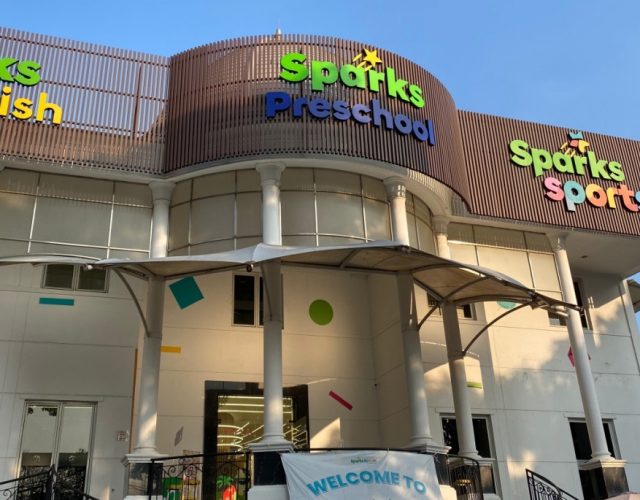
The Kelapa Gading and Pulomas areas are representative of the challenges faced by many urban families. With a high concentration of private institutions, including facilities like Sparks Preschool on Jalan Kayu Putih Raya, the region offers parents a variety of choices. However, the density of these neighborhoods necessitates a granular look at local traffic flow.
For instance, the proximity of Pulomas to the Pulo Gadung industrial zone and the connection to the inner-city toll roads creates distinct traffic patterns that are not uniform across all hours. An institution situated on a secondary road may offer a more peaceful drop-off experience compared to one on a major thoroughfare, even if the latter is technically "closer" to the main highway. Parents are encouraged to utilize resources such as the school’s digital location guides to understand the specific ingress and egress points before scheduling a site visit.
Establishing a Practical Evaluation Timeline
To ensure an informed decision, families should follow a structured evaluation timeline:
- Phase 1 (Data Collection): Identify top-tier schools within a 20-minute radius during off-peak hours. Cross-reference these with potential morning routes.
- Phase 2 (Simulation): Conduct the drive during the 07:00–08:00 window. Observe the traffic density and the behavior of the school’s drop-off security team.
- Phase 3 (Environmental Audit): During an in-person visit, focus on the facility’s response to child entry. Are there educators greeting children at the curb? How is the school handling the transition for children experiencing separation anxiety?
- Phase 4 (Academic Alignment): Once logistics are deemed viable, pivot to the curriculum. Inquire about outdoor play, student-to-teacher ratios, and the communication protocols regarding student health and behavioral development.
Official Perspectives and Best Practices
Educational administrators often advise that parents look at the "whole-day" impact. A school with an excellent curriculum is only effective if the child arrives ready to learn. According to internal reports from early childhood associations, parent-teacher partnerships are strengthened when the parents are not visibly exhausted by the logistical stress of the school run.
"The best school is the one that fits into the family’s ecosystem," notes one educational planner. "We often see that the highest-performing students are those whose parents have managed to keep the commute under 30 minutes, allowing for more time at home and less time in transit."
The Broader Impact: Sustainability of Enrollment
The decision to enroll in a specific preschool is a long-term commitment. In a city like Jakarta, where traffic conditions can change due to road construction, policy shifts, or seasonal flooding, flexibility is paramount. Parents who prioritize convenience alongside educational excellence are statistically more likely to maintain consistent attendance and active participation in school programs.
Furthermore, the environmental impact of the school run is a growing concern. Families are increasingly looking for ways to optimize their routes to reduce carbon emissions and vehicle idling time. Utilizing school bus services, where available and safe, or choosing locations that allow for walking (if the urban infrastructure permits), represents a more sustainable approach to early childhood education.
Conclusion: A Decision Driven by Reality
Selecting a preschool is a foundational decision that influences a family’s quality of life for several years. While the allure of prestigious branding or specialized curricula is understandable, these factors must be balanced against the harsh reality of Jakarta’s traffic. By conducting thorough simulations, auditing the logistical flow of the school’s environment, and prioritizing the child’s physiological well-being, parents can secure an educational placement that is both academically sound and realistically sustainable.
The goal is to find a facility that acts as a partner in the child’s development, not a source of daily friction. Whether in the heart of Kelapa Gading or the quiet streets of Pulomas, the most successful school placement is the one that respects the rhythm of the family, ensuring that the journey to school is as constructive as the learning that happens within its walls. As parents navigate these choices, they should remember that the best investment is one that ensures their child starts every school day with curiosity and comfort, rather than exhaustion.