8 Comprehensive Reflexology Foot Massage Points and Their Clinical Implications for Daily Wellness

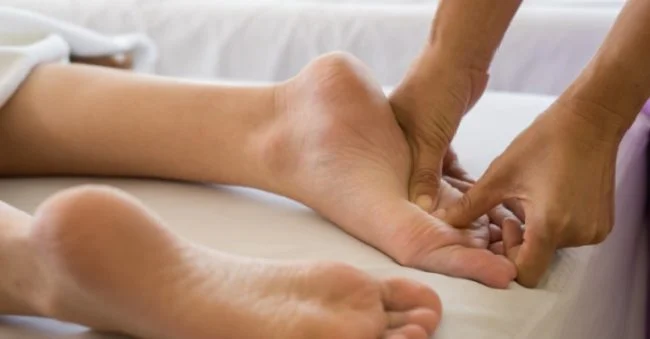
Foot reflexology is a therapeutic practice rooted in ancient healing traditions that has evolved into a widely recognized complementary medicine approach in modern healthcare. By applying targeted pressure to specific points on the feet, which are believed to correspond to various organs and physiological systems, individuals can potentially mitigate stress, improve sleep quality, and alleviate localized discomfort. As global interest in non-pharmacological wellness interventions grows, understanding the mechanical and physiological basis of reflexology becomes increasingly relevant for those seeking sustainable home-based health management.
Historical Context and Theoretical Framework
The origins of reflexology can be traced back to ancient Egyptian, Chinese, and Indian civilizations, where practitioners utilized foot manipulation to balance the body’s internal energy. In the early 20th century, Dr. William Fitzgerald introduced "Zone Therapy" to the Western medical community, proposing that the body is divided into ten vertical zones. According to this model, congestion or tension in any part of a zone can be relieved by manipulating the corresponding reflex point on the foot. While conventional medicine often categorizes reflexology as a holistic or alternative treatment, recent studies suggest that these techniques may influence the autonomic nervous system, promoting relaxation and reducing the physical markers of chronic stress.
Understanding the Reflexology Mechanism
The human foot contains approximately 7,000 nerve endings, providing a dense neurological network that connects to the rest of the body. When a practitioner or individual applies pressure to specific reflex zones, it is theorized that the stimulation sends signals to the central nervous system, prompting a release of endorphins and a reduction in cortisol levels. This biochemical response is the foundation for the various health benefits reported by proponents of the practice, including improved blood circulation and pain modulation.
Core Reflex Points for Targeted Relief
For individuals looking to integrate reflexology into their daily routine, specific points have been identified for addressing common ailments.
-
Insomnia and Sleep Architecture
The disruption of circadian rhythms is a pervasive issue in modern society. Clinical observations indicate that targeting the solar plexus reflex point—located in the center of the ball of the foot—can induce a parasympathetic response. By applying gentle, circular pressure to this area for several minutes before sleep, individuals may experience a reduction in sympathetic arousal, facilitating a smoother transition into restorative sleep stages. -
Musculoskeletal Fatigue and Lower Limb Tension
Extended periods of standing or physical exertion often lead to the accumulation of lactic acid and muscle stiffness in the lower extremities. Reflexology protocols suggest focusing on the heel and the arch, which are anatomically linked to the pelvic and lower back regions. Systematic compression along the longitudinal arch of the foot helps in loosening the plantar fascia and improving localized lymphatic drainage. -
Metabolic Vitality and Energy Regulation
When feelings of lethargy set in, many rely on caffeine or sugar-laden stimulants, which often lead to subsequent "crashes." Reflexology offers a mechanical alternative to boost alertness. The reflex point for the adrenal glands, located just above the center of the sole, is believed to stimulate metabolic processes when massaged with firm, rhythmic pressure. This practice can assist in stabilizing the body’s energy levels without the side effects associated with artificial stimulants. -
Premenstrual Syndrome (PMS) Management
The endocrine fluctuations associated with the menstrual cycle often cause significant physical discomfort. Reflexology targeting the reflex points for the ovaries and uterus—located on the inner ankle and the lateral edge of the foot—can help modulate the physiological stress response. Regular, gentle manipulation of these zones during the luteal phase may contribute to a reduction in systemic inflammation and pain severity.
-
Respiratory Support and Immune Response
During the onset of respiratory challenges, such as the common cold, reflexologists suggest stimulating the points associated with the sinuses and lungs. The tips of the toes are mapped to the head and sinus areas, while the ball of the foot corresponds to the chest and pulmonary system. By applying pressure to these areas, individuals may notice a reduction in sinus pressure and improved respiratory comfort, serving as a supportive measure to standard medical treatments. -
Cephalalgia (Headache) Mitigation
Tension headaches often stem from musculoskeletal tightness in the neck and shoulders. Reflexology points for the head and neck are located on the tips of the toes. By applying firm pressure to the big toe, one may stimulate the nerve pathways that influence vascular tension in the cranium, potentially alleviating the severity of tension-type headaches. -
Psychological Well-being and Anxiety Reduction
The intersection of mental health and physical touch is well-documented in behavioral science. Massaging the area between the hallux (big toe) and the second toe is associated with the brain’s emotional regulation centers. This technique is frequently utilized by practitioners to help individuals manage symptoms of generalized anxiety and emotional distress by promoting a grounding effect. -
Lumbar and Spinal Support
Back pain is a leading cause of disability globally. Reflexology practitioners often focus on the inner edge of the foot, which represents the spine. By sliding the thumb along this medial line from the heel to the big toe, one can target various segments of the spinal column, helping to release tension in the associated paraspinal muscles.
Safety, Contraindications, and Professional Advice
While reflexology is generally considered safe for the majority of the population, it is not a replacement for professional medical diagnosis and treatment. There are specific circumstances under which reflexology should be avoided or approached with caution.

Medical experts emphasize that individuals with the following conditions should consult a healthcare provider before attempting reflexology:
- Deep Vein Thrombosis (DVT) or severe circulatory issues, as pressure could potentially dislodge a clot.
- Active foot infections, open wounds, or severe inflammation.
- Unstable bone fractures or acute gout flare-ups.
- High-risk pregnancies, where specific points might stimulate uterine contractions.
Furthermore, improper technique can lead to temporary discomfort, bruising, or nerve irritation if excessive force is applied. It is recommended to use a mild lubricant, such as a neutral oil, to prevent skin abrasion and to ensure that pressure remains within a comfortable threshold.
Broader Impact on Public Health
The integration of reflexology into home-care routines represents a growing trend toward patient empowerment. By providing accessible methods to manage minor health issues, individuals can reduce their reliance on over-the-counter medications and decrease the burden on primary care facilities for non-acute symptoms.
From an analytical perspective, the success of reflexology likely resides in the "relaxation response," a concept popularized by cardiologist Herbert Benson. By intentionally setting aside time for self-care, individuals lower their heart rate, blood pressure, and muscle tension, creating an internal environment conducive to healing. While the scientific community continues to debate the exact mechanisms—whether they are strictly neurological or involve subtle energy systems—the clinical reality remains that millions of people report tangible improvements in their quality of life.
Conclusion and Future Outlook

As with any complementary practice, the efficacy of reflexology is highly dependent on consistency and correct application. It is not intended to cure chronic or acute diseases but rather to provide a supportive framework for the body’s innate healing capabilities. For those interested in adopting these practices, starting with gentle, consistent sessions is the most effective approach. As research into the efficacy of non-invasive therapies expands, it is likely that techniques such as reflexology will continue to be integrated into broader, multidisciplinary wellness programs, bridging the gap between traditional wisdom and modern health standards.
For those currently navigating high-stress environments or seeking relief from common physical ailments, these eight reflex points serve as a foundational starting point. However, always prioritize professional medical consultation for persistent or severe symptoms, ensuring that any alternative therapy serves as a complement, not a substitute, to evidence-based medical care.