Mastering the Nusa Penida Archipelago: A Strategic Three-Day Itinerary for Sustainable Exploration

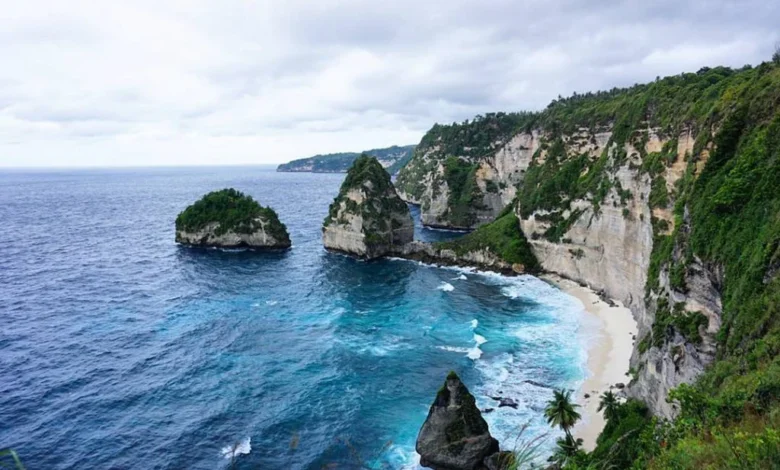
Nusa Penida, a rugged island located southeast of Bali, has transformed from a quiet agricultural community into one of Indonesia’s most sought-after tourism destinations. While viral social media content often frames the island as a brief stop for photography at Kelingking Beach, the reality of navigating this 200-square-kilometer limestone landmass requires careful logistical planning. With challenging, undulating terrain and significant distances between key geological sites, travelers often find themselves spending an excessive portion of their trip navigating roads. This report outlines a structured, realistic three-day itinerary designed to maximize visitor experience while emphasizing sustainable tourism practices.
The Evolution of Nusa Penida’s Tourism Landscape
Historically, Nusa Penida was known primarily for its traditional sea-weed farming and as a place of spiritual significance, home to numerous sacred Pura (temples). Following the surge in regional tourism in the late 2010s, the island experienced a rapid shift toward an economy dominated by hospitality. Data from local tourism boards suggests that daily visitor numbers to the island can fluctuate between 2,000 and 5,000 individuals during peak seasons.
This influx has placed immense pressure on the island’s limited infrastructure. The road network, largely carved through steep karst topography, was not originally designed for the high volume of motorbike and van traffic currently observed. Consequently, local authorities have repeatedly urged visitors to adhere to safety protocols and environmental regulations to mitigate the degradation of the island’s fragile ecosystem.
Strategic Logistics and Pre-Departure Preparation
Successful exploration of Nusa Penida necessitates a shift in mindset from impulsive travel to strategic planning. Before departing from mainland Bali—typically via fast boat from Sanur—travelers are advised to secure reliable accommodation near the northern coast, where the majority of port facilities are situated.
Financial preparation should include carrying sufficient cash, as automated teller machines (ATMs) are concentrated in the main township and may suffer from technical outages or limited liquidity. Furthermore, because the island’s mobile data coverage is inconsistent in remote southern cliffs, downloading offline maps and itinerary documents is essential. For those choosing to navigate by scooter, ensure the possession of a valid international driving permit and a helmet, as road conditions are often unforgiving, characterized by sharp inclines and loose gravel.

Day One: Navigating the Western Coastal Circuit
The first day should be dedicated to the iconic landscapes that define the western coast. This region hosts the most recognizable geological formations, including the Kelingking Beach cliffs, Angel’s Billabong, and Broken Beach.
The chronology of this day should begin early, ideally arriving at the Kelingking viewpoint by 8:00 AM to avoid the congestion caused by day-trippers arriving from Bali. The descent to the beach itself is steep and demanding; travelers should be aware that the trek back up is significantly more strenuous than the descent. Following the western circuit, visitors should prioritize a visit to the natural tide pools at Angel’s Billabong, keeping in mind that high tide can make this area dangerous. By structuring the day to move sequentially along the western road, travelers can conserve fuel and reduce the time spent in transit.
Day Two: Marine Biodiversity and Eastern Exploration
The second day presents an opportunity to engage with the marine environment before moving to the island’s eastern cliffs. The waters surrounding Nusa Penida are part of a Marine Protected Area (MPA), renowned for the presence of Manta rays and the rare Mola-mola (oceanic sunfish).
Snorkeling excursions should be booked with certified operators who adhere to sustainable practices, such as maintaining a respectful distance from marine life and prohibiting the use of chemical sunscreens that damage coral reefs. After a morning at sea, the afternoon should be allocated to the eastern side, which offers a different, more rugged topography. Key locations include the Thousand Islands Viewpoint (Pulau Seribu) and the expansive Atuh Beach. The eastern route is generally less congested than the western side, offering a quieter experience for those interested in the island’s unique coastal geography.
Day Three: Cultural Immersion and Sustainable Departure
The final day serves as a buffer to ensure a smooth transition back to the mainland. Rather than rushing to visit remaining sites, travelers are encouraged to utilize this time for cultural engagement within the local villages. Visiting a local market or spending time in the vicinity of a Pura allows for a deeper understanding of the Balinese Hindu culture that governs daily life on the island.
Logistically, visitors must check out of their accommodations and transit to the harbor at least three hours before their scheduled boat departure. Delays in boat schedules due to sea conditions are not uncommon, and being present at the port ahead of time prevents the risk of missing the final connections back to Bali.
Environmental Impact and Community Ethics
The rapid development of Nusa Penida has brought to the forefront the issue of waste management. The island’s remote location makes the exportation of plastic waste difficult, leading to significant environmental concerns. Visitors are strongly advised to adhere to a "leave no trace" policy, carrying all personal waste back to the mainland or utilizing designated disposal facilities.
Furthermore, cultural sensitivity remains a critical aspect of travel in Nusa Penida. The island remains deeply spiritual, and visitors are expected to dress modestly when approaching temples or local settlements. It is standard etiquette to wear a sarong when entering religious sites, a practice that reflects respect for the community that serves as the island’s primary custodian.
Economic Implications of Responsible Tourism
A fact-based analysis of the island’s current trajectory suggests that the transition toward "slow tourism" is essential for long-term sustainability. The economic reliance on tourism has created jobs in hospitality, transport, and guide services, but it has also created a dependency that is vulnerable to environmental degradation. By distributing visitor traffic across three days rather than one, tourists reduce the peak load on road infrastructure and allow for a more equitable distribution of revenue among local businesses.
Tourism experts and local community leaders have expressed concern that over-commercialization may erode the very attractions that draw visitors to the island. Consequently, the implementation of entry fees, which are often used for conservation and infrastructure maintenance, has become a standard feature of travel to major sites. These fees are a necessary component of the island’s fiscal health, ensuring that the environment is preserved for future generations.
Conclusion: A Disciplined Approach to Travel
Nusa Penida is not merely a backdrop for photography; it is a complex environment requiring physical preparation, cultural awareness, and logistical discipline. A well-executed three-day itinerary—focused on western icons on day one, marine life and eastern exploration on day two, and local immersion on day three—provides a comprehensive experience that respects both the land and its people.
By prioritizing safety, environmental stewardship, and a realistic pace, travelers can move beyond the "viral" aspects of the island and appreciate its true character. As the island continues to evolve, the behavior of individual visitors will determine the longevity of Nusa Penida as a premier sustainable destination in the Indonesian archipelago. The key to a successful visit lies in the understanding that the island’s beauty is matched only by the necessity of its protection.