15 Best Full Face Helmet Recommendations for 2026: Balancing Safety, Performance, and Comfort

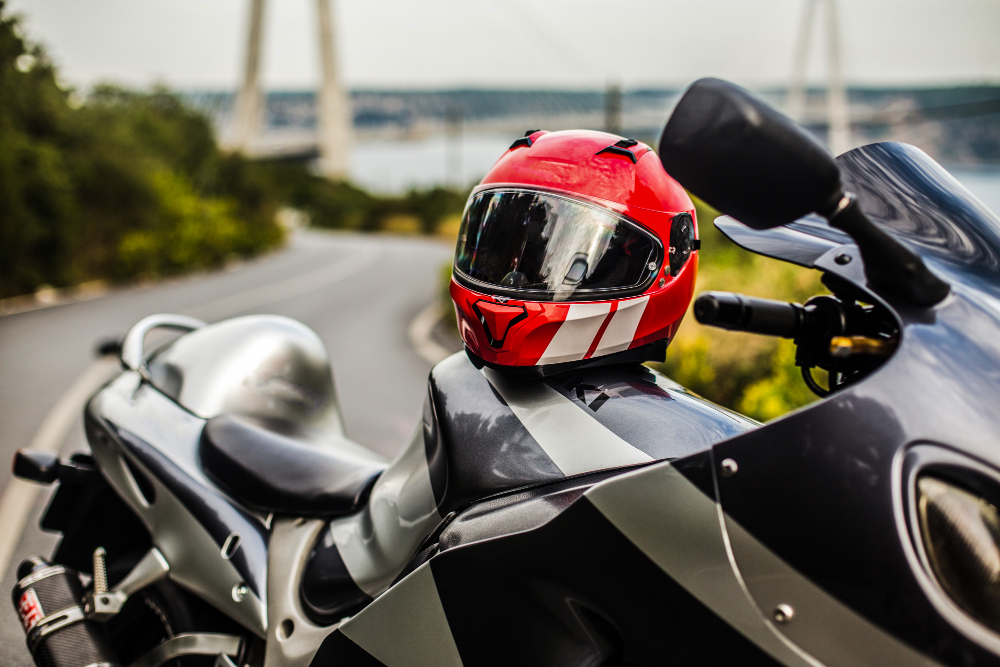
The motorcycle helmet is the most critical piece of equipment for any rider, serving as the primary line of defense against traumatic brain injuries in the event of a collision. While various helmet designs exist, the full-face helmet remains the industry gold standard for protection, covering the entire head, including the chin and jawline—an area susceptible to impact in over 35% of all motorcycle accidents. As technology advances in 2026, manufacturers are increasingly integrating sophisticated aerodynamics, advanced ventilation systems, and premium materials to ensure that safety does not come at the cost of rider comfort.
The evolution of the motorcycle helmet market has been rapid over the last decade. Following the transition to stricter global standards like ECE 22.06, which mandates more rigorous impact testing including oblique (rotational) forces, the current generation of helmets is safer than ever. Whether for daily commuting, long-distance touring, or competitive track riding, the options available today cater to a wide spectrum of functional requirements.
The Evolution of Helmet Safety Standards
Historically, motorcycle helmets were evaluated primarily on their ability to absorb vertical impact energy. However, modern research into head injuries has shifted the focus toward rotational acceleration—the force that occurs when a helmet hits the ground at an angle. The introduction of the ECE 22.06 standard in Europe and the increasingly stringent SNI (Standard Nasional Indonesia) regulations reflect a global consensus that static impact testing is no longer sufficient.
Industry experts note that the integration of multi-density EPS (Expanded Polystyrene) liners and advanced shell materials, such as carbon fiber and fiberglass composites, has significantly improved the energy dissipation capabilities of modern headgear. For the average consumer, this means that even mid-range helmets currently offer protection levels that were reserved for professional racing gear only fifteen years ago.
Top-Tier Recommendations for the 2026 Market
Selecting a helmet requires a balance of fitment, utility, and safety certification. Below is an analytical look at fifteen prominent models currently shaping the market, categorized by their intended use cases.
Entry-Level and Daily Commuter Options
For the daily rider, the priority is a balance between weight, visibility, and ease of use.
- KYT K2 Rider GL: Often cited for its value proposition, this model features a double-visor system—a necessity for riders dealing with varying sunlight conditions during urban commutes. Priced around Rp500,000, it meets both DOT and SNI standards.
- KYT R10: Designed for comfort, its interior padding is optimized for airflow, making it a reliable choice for tropical climates where heat management is critical.
- MDS Pro Rider: At a price point of approximately Rp419,000, this helmet provides essential full-face coverage and remains one of the most accessible options for budget-conscious riders seeking certified safety.
- KHC Cakil: Catering to the retro aesthetic, this helmet proves that vintage styling does not have to sacrifice modern safety standards, utilizing an ABS shell to maintain structural integrity.
Mid-Range Performance and Touring
These models bridge the gap between street-legal practicality and long-distance comfort features.
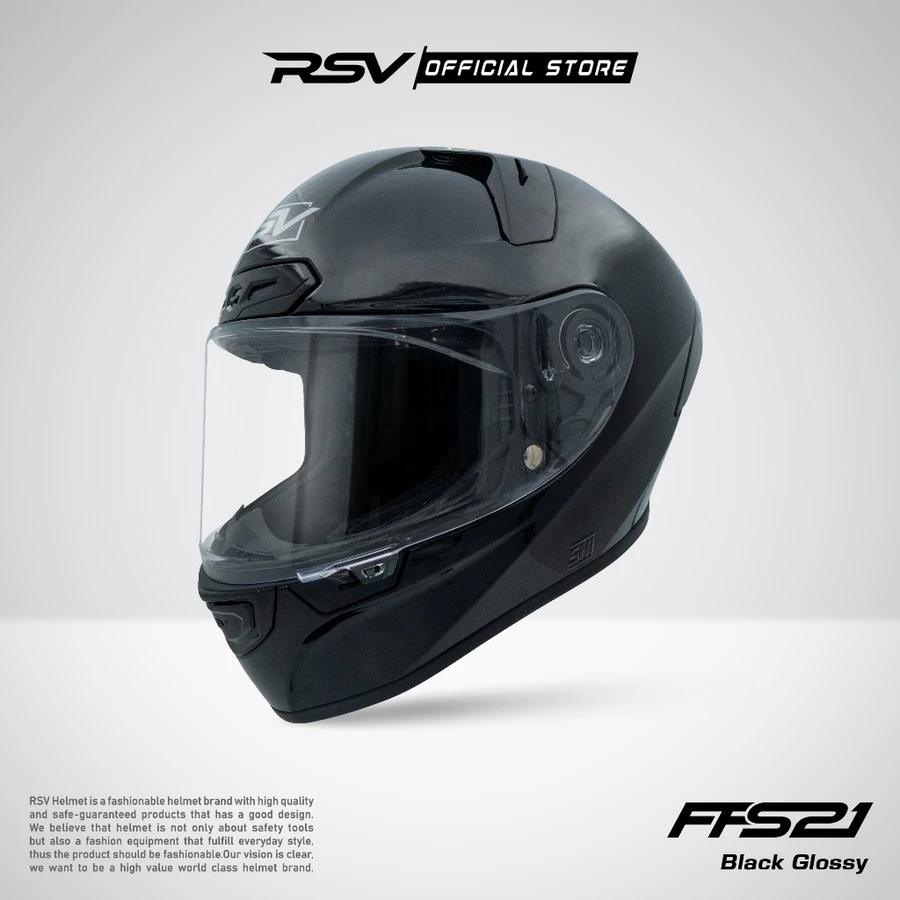
- RSV FF500: Utilizing laser-cut internal foam, this model offers a personalized fit that reduces noise and vibration. Its aerodynamic profile is specifically engineered to reduce neck strain during extended periods of highway riding.
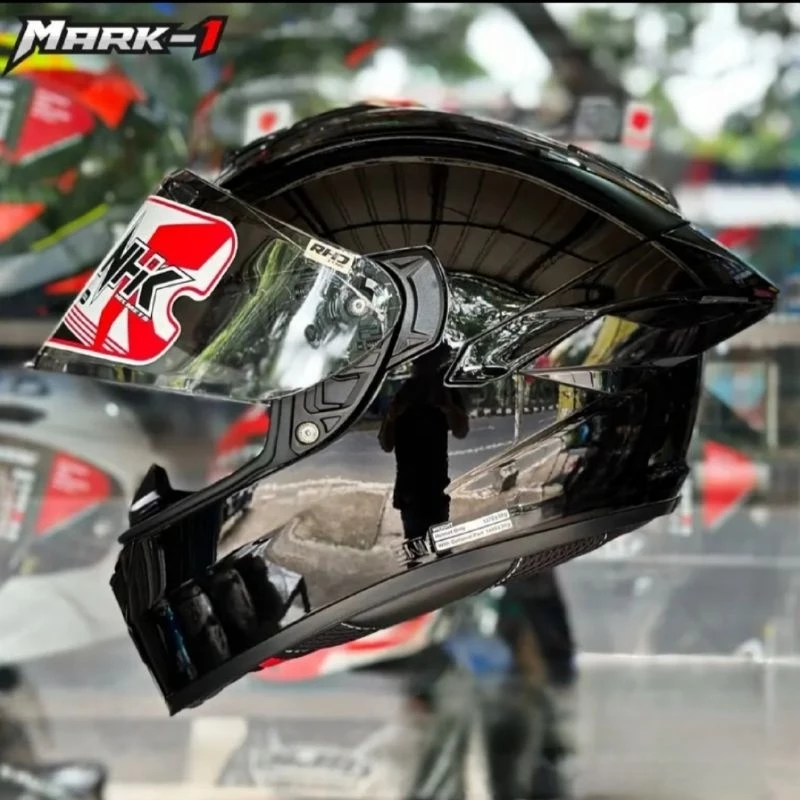
- NHK RX 9: A versatile option for daily users who require a double-visor setup. Weighing in at approximately 1.4 kg, it minimizes physical fatigue, a key factor in rider alertness.
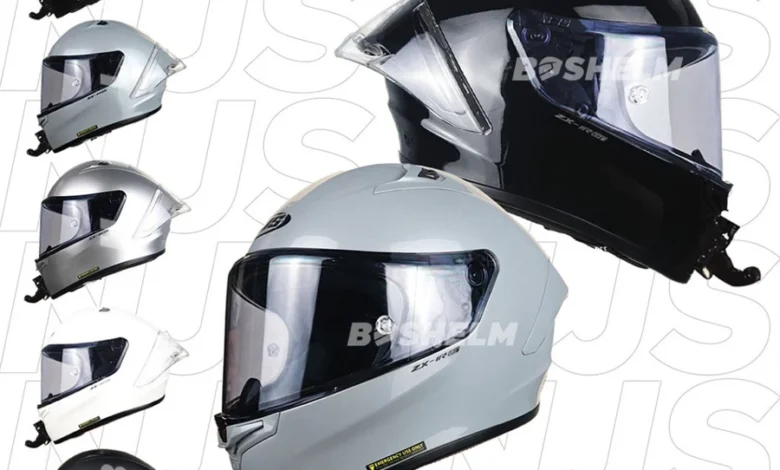
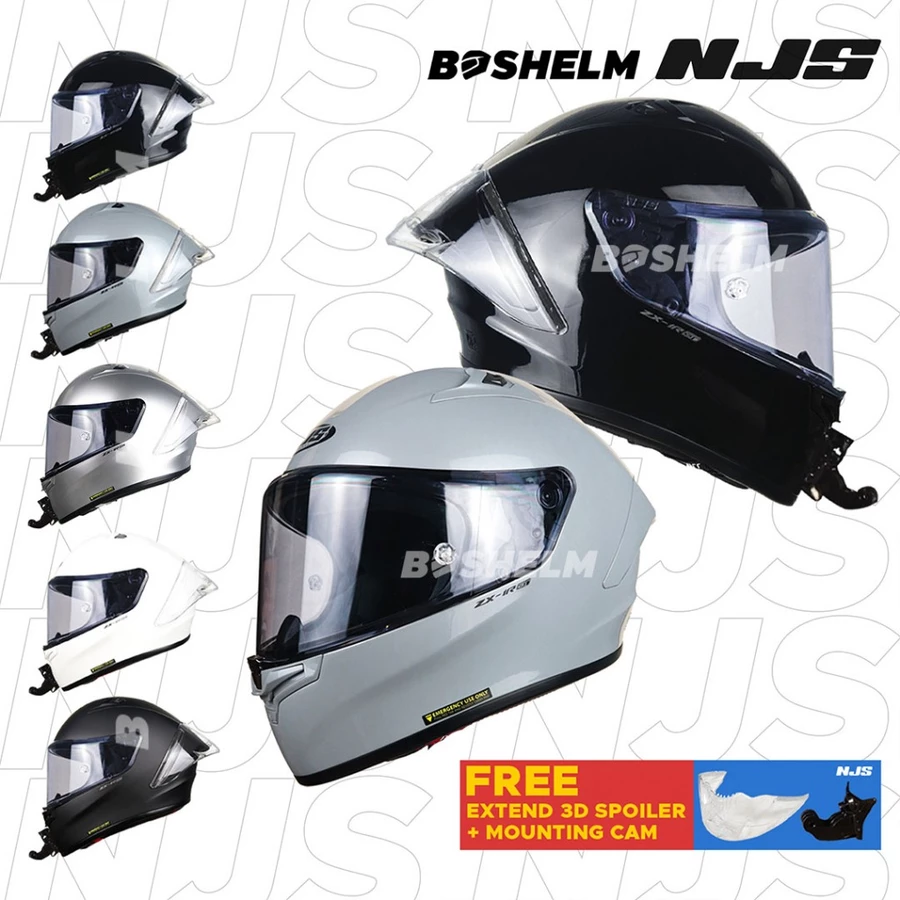
- NJS ZX-1 Solid: Featuring a modern, aggressive aesthetic, this model is built for riders who prefer a sleek look without compromising on the rigid protection of a full-face shell.
- Studds Helios: Notable for its long rear spoiler, this helmet utilizes a flat visor with push-pin compatibility, allowing for the integration of anti-fog inserts—a vital safety feature for riding in rain or high humidity.
- Cargloss CR Sircon Taichi FF: A collaboration that brings high-end brand heritage to the mass market. Its unique design offers a distinctive silhouette that remains practical for everyday use.
- ZEUS ZS 811: Known for its lightweight construction, the ZS 811 is an ideal candidate for riders who find heavier helmets distracting. Its ventilation system is particularly effective at high speeds.
- Snail FFS3: Specifically designed with modern connectivity in mind, this helmet includes dedicated slots for eyeglasses and intercom communication systems, making it a favorite for touring enthusiasts.
- ALV Genesis Full Face: A stylish choice that allows riders to choose between different retention systems, such as the micro-buckle or the more traditional D-ring, catering to diverse personal preferences.
- NJS S-Cross Solid: Utilizing thermoplastic technology, this model is designed for durability and is suitable for both high-intensity city traffic and weekend excursions.
Premium and Professional-Grade Racing Helmets
At the highest price brackets, helmets are designed to meet the extreme demands of high-velocity racing.
- Shoei GT-Air 2: Designed for the premium touring market, this helmet integrates seamlessly with Bluetooth communication devices. Its focus is on extreme acoustic insulation and comfort, justifying its high-end price point.
- Shoei X-14 and Arai RX-7X: These represent the pinnacle of helmet technology. Developed through extensive wind-tunnel testing and real-world feedback from professional MotoGP riders, they offer unparalleled aerodynamics and ventilation. While the price may exceed Rp10 million, they provide the highest levels of protection and stability at extreme speeds.
Critical Considerations for Selection
When selecting a helmet, manufacturers and safety advocates emphasize that "fit is everything." A helmet that is too loose will fail to provide adequate protection during a crash, as it may shift and expose critical areas of the skull. Conversely, a helmet that is too tight can cause discomfort and headaches, potentially distracting the rider.
The Importance of Certification
Before purchasing, riders should always verify the presence of recognized certification labels. In Indonesia, the SNI label is mandatory. For those participating in international travel or competitive events, ensuring the helmet meets DOT (USA) or ECE 22.06 (Europe) standards adds an extra layer of verified safety.
Maintenance and Lifespan
A common misconception is that helmets last indefinitely. Industry standards suggest that a helmet should be replaced every three to five years, even if it has not been involved in an accident. The materials, specifically the EPS liner, degrade over time due to exposure to ultraviolet light, sweat, and hair oils. Furthermore, if a helmet has been dropped or involved in a single impact, its structural integrity may be compromised even if the damage is not visible to the naked eye.
Economic and Safety Implications
The proliferation of high-quality, affordable full-face helmets in 2026 is a positive development for road safety. As consumers gain access to better gear, the potential for reducing the severity of injuries in motorcycle-related incidents increases. Analysis shows that the rise in mid-range offerings has democratized safety, allowing a broader segment of the population to transition from open-face to full-face protection.
As regulatory bodies continue to refine safety requirements, manufacturers are responding with innovation. The integration of technology—such as intercom compatibility, anti-fog pinlocks, and advanced aerodynamic stabilizers—is no longer a luxury but an expectation. By investing in a helmet that aligns with both personal riding habits and rigorous safety standards, motorcyclists are taking the most effective step toward protecting their well-being on the road.