Thrifting in Jakarta: A Comprehensive Guide to Sustainable Shopping and Smart Consumer Habits

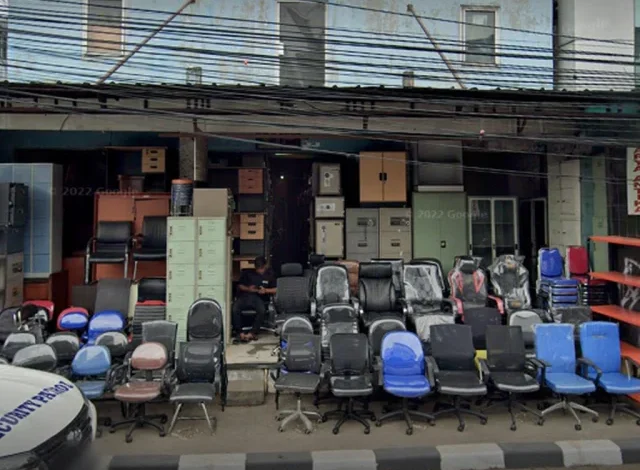
The practice of purchasing pre-owned items, commonly referred to as "thrifting," has evolved from a niche hobby into a mainstream economic activity in Jakarta, reflecting a broader global shift toward sustainable consumption and cost-conscious lifestyle management. As urban residents increasingly seek to balance aesthetic expression with financial prudence, the secondary market for apparel, electronics, furniture, and literature has witnessed significant growth. This transition is not merely a reaction to inflationary pressures but represents a fundamental change in consumer behavior, where the value of a product is measured by its utility and longevity rather than its status as a new commodity.
The Economic Drivers of the Secondary Market
The rise of the thrifting industry in Indonesia is underpinned by both socio-economic necessity and a growing environmental consciousness. According to recent market analysis, the circular economy—a system aimed at eliminating waste and the continual use of resources—has gained traction in Southeast Asian urban centers. By extending the lifecycle of consumer goods, thrifting directly mitigates the environmental impact associated with the mass production of garments, which is one of the most resource-intensive industries globally.
In Jakarta, this trend is visible across various demographics. Students and young professionals, in particular, utilize the secondary market to acquire high-quality items at a fraction of their original retail prices. This behavior is further supported by the proliferation of digital marketplaces, which have streamlined the process of matching buyers with sellers, effectively formalizing an informal sector that has existed in the city for decades.
A Chronological Evolution of Jakarta’s Thrifting Landscape
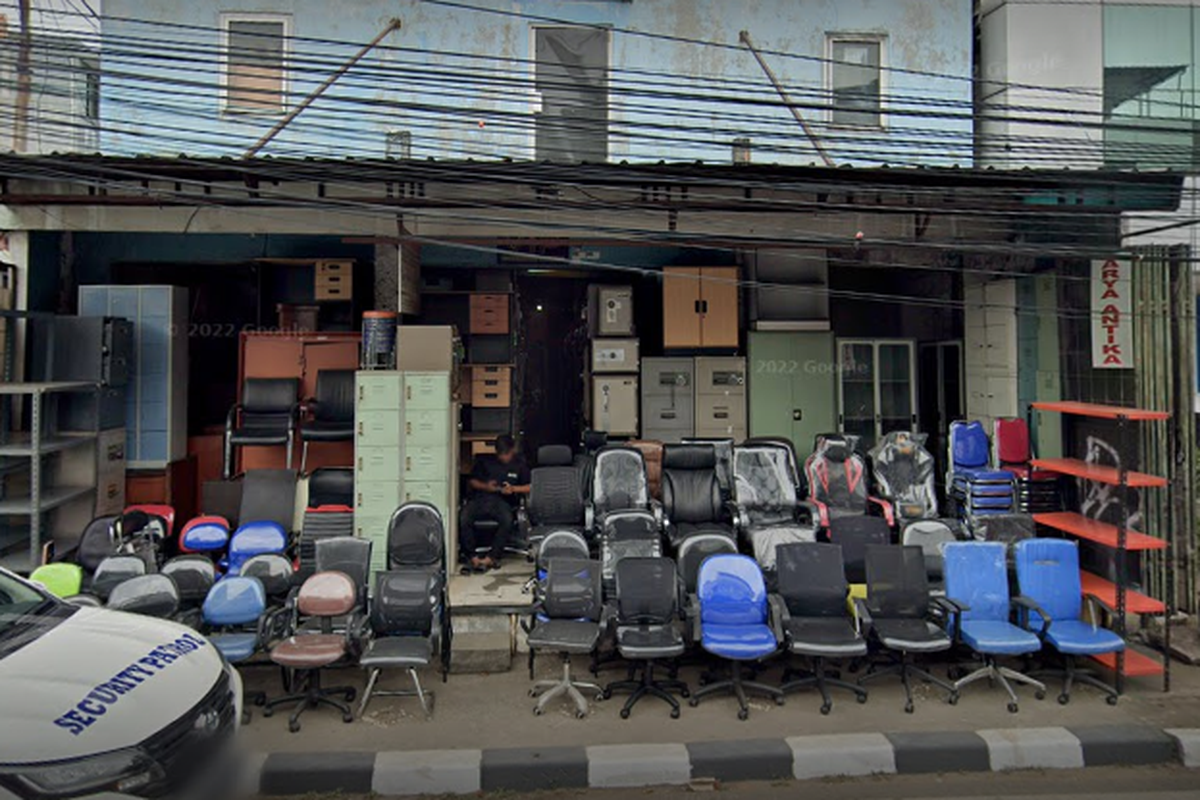
Historically, the trade of second-hand goods in Jakarta was concentrated in sprawling, physical open-air markets. Locations such as Pasar Senen and Pasar Baru became synonymous with the treasure-hunt experience, where shoppers would sift through mountains of imported garments. In the late 20th century, these markets functioned primarily as a source of affordable clothing for the working class.
However, the 2010s marked a turning point. As vintage aesthetics gained popularity in global fashion circles, thrifting transitioned into a curated experience. Small, independent boutiques began emerging in neighborhoods like Blok M and Tebet, catering to a younger generation that valued the "curated" aspect of second-hand shopping.
The most recent phase, beginning around 2020, saw a rapid digitalization of this sector. The emergence of specialized platforms like Lapakku provided a bridge between the traditional, tactile experience of the market and the convenience of e-commerce. This integration has allowed for a more structured market where pricing is more transparent and the reach of sellers has expanded from local neighborhoods to a national audience.
Strategic Approaches to Second-Hand Procurement
Successful engagement with the second-hand market requires a disciplined approach to ensure that the purchase remains an asset rather than a liability. Industry experts suggest a three-pillar framework for consumers:
1. Financial Planning and Needs Assessment
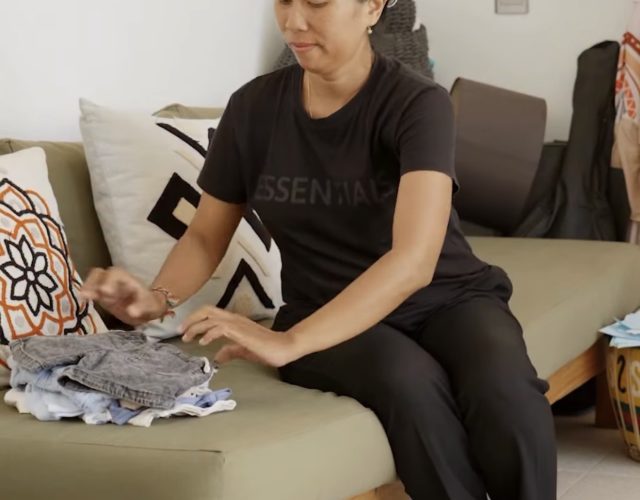
Before entering the marketplace, whether physical or digital, consumers should establish a strict budget. The allure of low prices often leads to "impulse accumulation," where individuals acquire items they do not require simply because they are inexpensive. Establishing a prioritized list of necessary items—such as specific clothing staples or functional household goods—prevents budgetary drift.
2. Quality Control and Inspection Protocols
The physical integrity of a product is paramount. When inspecting garments, focus should be directed at high-wear areas: seams, zippers, collars, and underarm fabric. For electronics, the verification process must be more rigorous. Buyers are advised to request documentation of the device’s history, test primary functions in person if possible, and verify the authenticity of branded goods. In the digital space, this involves examining high-resolution imagery and scrutinizing seller feedback metrics.
3. The Total Cost of Ownership
A critical mistake made by novice thrifters is ignoring the "hidden costs" associated with pre-owned items. These include professional dry cleaning, minor tailoring, or the replacement of peripheral components for electronics. A product that costs 50,000 IDR but requires 100,000 IDR in repairs may not be the bargain it initially appears to be. Evaluating the "total cost of ownership" is essential for long-term financial health.
The Role of Digital Platforms in Market Formalization
The integration of technology into the second-hand economy has provided a level of institutional support that was previously absent. Platforms like Lapakku represent the modern infrastructure of this market, allowing for safer transactions through features such as escrow services and verified seller profiles.

Industry analysts observe that these platforms serve as a buffer against the inherent risks of the informal market, such as counterfeit products or non-disclosure of defects. By providing a digital ledger of transactions and public ratings, these marketplaces incentivize sellers to maintain higher standards of transparency. However, even with these safeguards, the burden of due diligence remains with the consumer. Users are encouraged to utilize platform communication tools to request additional photographs or clarification on the condition of an item before finalizing a payment.
Broader Societal and Environmental Implications
The proliferation of thrifting in Jakarta carries significant implications for the city’s waste management and consumption patterns. Indonesia, like many developing nations, faces challenges related to textile waste and the disposal of electronic goods. By fostering a culture where items are repaired and recirculated, the local population is indirectly contributing to a reduction in the volume of goods directed to landfills.
Furthermore, the secondary market supports a localized entrepreneurship model. Thousands of micro-entrepreneurs operate within this space, providing a vital source of income for many households. The symbiotic relationship between large-scale distributors and small-scale resellers creates a resilient economic ecosystem that thrives even during periods of market volatility.
Expert Recommendations for the Future of Thrifting
As the sector continues to expand, stakeholders—including government bodies and private platform operators—are looking toward standardized quality assurance practices. Some industry commentators have suggested that the future of the Indonesian thrift market lies in the implementation of "graded" categories for second-hand items, similar to those used in the international automotive market. This would allow consumers to identify the condition of a product at a glance, further reducing the friction in the buying process.

For the individual consumer, the advice remains consistent: prioritize value over volume. The objective of thrifting should be to acquire items that possess high utility and aesthetic longevity. By treating second-hand shopping as an intentional act of consumption rather than a casual pastime, individuals can maximize the benefits of the circular economy.
In conclusion, the practice of thrifting in Jakarta is a sophisticated response to modern economic conditions. It empowers consumers to take control of their spending, encourages the sustainable use of materials, and supports a diverse network of local entrepreneurs. Whether navigating the historic aisles of a traditional market or browsing the digital interface of a modern platform, the principles of patience, scrutiny, and financial discipline remain the cornerstones of a successful shopping experience in the second-hand sector. As the market matures, its role as a pillar of urban consumption will only continue to strengthen, offering a viable, efficient, and environmentally conscious alternative to the traditional retail model.