Iran Signals Potential Shift in Nuclear Doctrine Amid Escalating Tensions with the United States

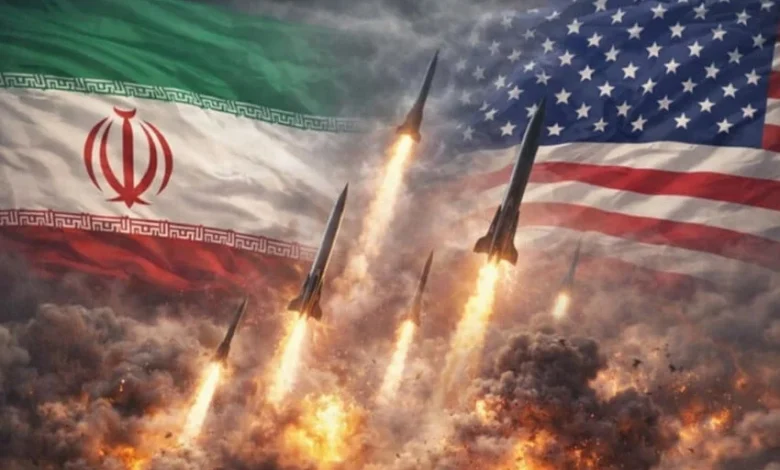
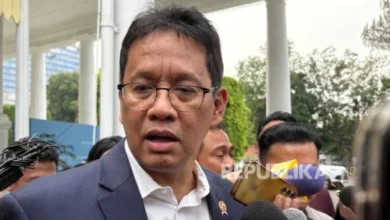
Tehran has signaled a potential departure from its long-standing policy prohibiting the development of nuclear weapons, a move that has sparked significant international concern as tensions between the Islamic Republic and the United States reach a fever pitch. Major General Mohsen Rezaei, Secretary of the Supreme National Security Council and former commander of the Islamic Revolutionary Guard Corps (IRGC), recently confirmed that the Iranian government is engaged in internal deliberations regarding the future of its nuclear doctrine. While Rezaei emphasized that no formal policy shift has been ratified, the mere acknowledgment of such a debate represents a marked departure from the official stance maintained by the Supreme Leader, Ayatollah Ali Khamenei, who has historically issued a fatwa against the development of nuclear armaments.
The context for this potential pivot lies in the deteriorating security environment in the Middle East. Over the past several months, Iran has faced increased diplomatic isolation, stringent economic sanctions, and repeated aerial threats targeting its strategic nuclear infrastructure. The Iranian leadership suggests that the perceived vulnerability of these sites, combined with what they characterize as aggressive posturing by the United States and its regional allies, has necessitated a fundamental reassessment of the country’s defensive posture.
Chronology of Escalation and Strategic Ambiguity
To understand the current volatility, one must review the timeline of Iran’s nuclear program and the subsequent breakdown of international oversight. The roots of the current standoff trace back to 2018, when the United States unilaterally withdrew from the Joint Comprehensive Plan of Action (JCPOA), the landmark 2015 nuclear deal designed to limit Iran’s uranium enrichment capabilities in exchange for sanctions relief.
Following the U.S. withdrawal, Iran systematically reduced its compliance with the agreement. By 2020, Iran had begun enriching uranium to 20% purity, far exceeding the 3.67% limit set by the JCPOA. By 2023 and 2024, reports from the International Atomic Energy Agency (IAEA) indicated that Tehran had successfully enriched uranium to 60% purity, a level dangerously close to the 90% required for military-grade fissile material.
Throughout this period, the rhetoric from both Tehran and Washington has intensified. The Iranian government has repeatedly accused the United States of orchestrating sabotage operations against its nuclear facilities, including cyberattacks and physical strikes on centrifuges and enrichment centers. The recent public discourse from figures like General Rezaei reflects a shift from defensive posturing to a more proactive, if not ambiguous, stance on national security.
Internal Pressures and Public Sentiment
The shift in rhetoric is not merely a product of top-down military planning but is increasingly framed as a response to public demand. General Rezaei noted in his recent television interview that the Iranian public has become disillusioned with the existing policy of restraint. The sentiment, according to Tehran’s leadership, is that Iran has adhered to the strictures of the Nuclear Non-Proliferation Treaty (NPT) and allowed unprecedented access to IAEA inspectors, yet has received little in the way of economic stability or security guarantees in return.
"The nation has its own demands," Rezaei stated. "When the public observes that our sensitive facilities are being targeted and that our compliance with international inspection regimes does not prevent aggression, they naturally ask why we should continue to adhere to a doctrine that leaves us vulnerable."
This narrative of "victimization" serves a dual purpose: it prepares the domestic population for a potential breakout in nuclear capability while simultaneously signaling to the international community that Iran’s patience with diplomatic channels is exhausted. By framing a potential nuclear pivot as a democratic response to external aggression, the regime attempts to solidify domestic support for a move that would undoubtedly trigger a massive geopolitical backlash.
Technical Capabilities and Global Implications
From a technical standpoint, Iran is closer to the nuclear threshold than at any point in its history. Independent analysts and intelligence agencies have noted that while Iran has not yet produced a nuclear warhead, it possesses the technical expertise, the centrifuge infrastructure, and the fissile material stockpile to do so in a relatively short timeframe.
The implications of Iran officially abandoning its anti-nuclear fatwa would be profound. Such a move would effectively terminate any remaining hope for a diplomatic resolution to the nuclear standoff. It would likely trigger a cascade of regional proliferation, with neighboring states—most notably Saudi Arabia and Turkey—potentially seeking their own nuclear deterrents to maintain a balance of power.
Furthermore, a formal shift in doctrine would necessitate an immediate re-evaluation of Western security policies. The United States and its allies, including Israel, have long maintained that a nuclear-armed Iran is an unacceptable red line. The threat of direct military intervention to dismantle Iran’s enrichment infrastructure would become the primary focus of U.S. foreign policy in the region, significantly increasing the probability of a conventional war that could engulf the Persian Gulf and disrupt global energy markets.
Responses and International Vigilance
The international response to the latest signals from Tehran has been one of heightened vigilance. The IAEA has consistently called for increased transparency and has expressed concern over the "lack of cooperation" regarding the monitoring of centrifuge manufacturing and uranium storage sites. Western powers, including the United Kingdom, France, and Germany—the E3 group—have urged Iran to return to the negotiating table, warning that any breach of the NPT thresholds would lead to the automatic "snapback" of UN sanctions.
However, Tehran appears increasingly indifferent to the prospect of further isolation. The strengthening of strategic partnerships with non-Western powers has provided Iran with a buffer against economic pressure, emboldening its leaders to challenge the status quo.
The Strategic Calculus
Analysts suggest that Iran’s current policy of "strategic ambiguity" is a calculated gamble. By openly debating the abandonment of its nuclear-free status, Tehran aims to gain leverage in potential future negotiations, forcing the West to recognize its nuclear program as an irreversible reality. By holding the possibility of a weaponized program over the heads of global leaders, Iran seeks to deter further strikes on its territory, effectively using the "threat" of a bomb as a security shield.
Whether this rhetoric will transition into a formal change in policy remains the central question for regional security. The history of the Islamic Republic’s nuclear program is characterized by a mix of ideological rigidity and pragmatic adjustments. The decision to move toward a nuclear weapon would be the most significant deviation from the path set by the late Ayatollah Khomeini and maintained by his successor.
As the debate continues within the Supreme National Security Council, the global community remains in a state of high alert. The rhetoric from Tehran serves as a stark reminder that the Middle East is currently navigating its most precarious security environment in decades. Should Iran decide to cross the nuclear threshold, the architecture of global non-proliferation will face its most significant test since the height of the Cold War, with consequences that would reshape international relations for the remainder of the century.
For now, the world awaits further clarity from Tehran. Until a formal announcement is made, the ambiguity surrounding Iran’s intentions will continue to fuel speculation and exacerbate the tensions that threaten to ignite a wider conflict. Whether this is a genuine shift in military doctrine or a high-stakes diplomatic maneuver, the outcome will define the future of the Middle East and the efficacy of global efforts to contain the spread of nuclear weaponry.