Honda Unveils F125: A Vespa-Inspired Scooter with Modern Tech and Affordability for the Chinese Market

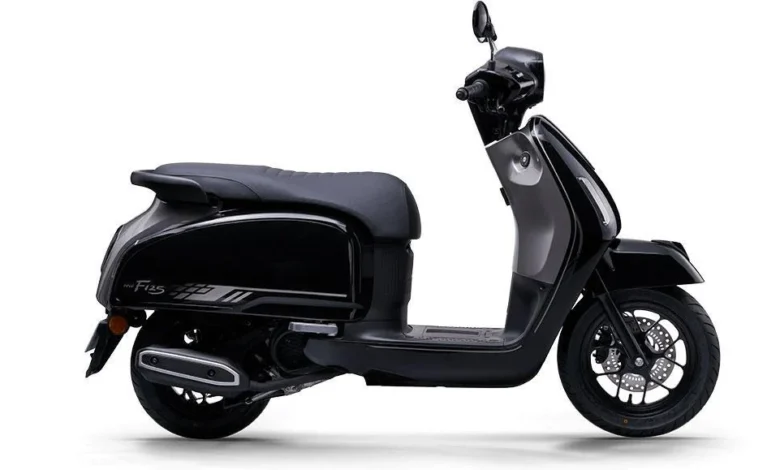
Honda has officially launched its latest urban mobility offering in China, the F125, a scooter that draws significant design inspiration from the iconic Vespa line. Positioned as a more accessible and fuel-efficient alternative, the F125 aims to capture a segment of the burgeoning Chinese scooter market with a blend of retro aesthetics and modern technological advancements. The release, reported by Greatbiker on July 25th, highlights Honda’s strategic approach to catering to diverse consumer preferences, particularly in emerging markets where affordability and practicality are key drivers.
Powertrain and Efficiency: A Focus on Economy
At the heart of the Honda F125 lies a 125cc, single-cylinder, SOHC, air-cooled engine. This powertrain is engineered with Honda’s renowned eSP (enhanced Smart Power) technology, designed to optimize performance while minimizing fuel consumption. The engine produces a respectable 7 kW (approximately 9.5 horsepower) at 7,750 rpm, with a peak torque of 10 Nm delivered at 5,750 rpm. While not designed for outright speed, these figures are well-suited for the demands of urban commuting, offering sufficient acceleration for city traffic and ease of maneuverability.
A significant contributor to the F125’s efficiency is the integration of Honda’s ACG Starter system. This technology allows for a remarkably smooth and quiet engine start, a stark contrast to the often abrupt noise of conventional starter motors. Beyond the initial ignition, the ACG starter plays a role in the overall refinement of the riding experience. Coupled with the Idling Stop System (ISS), which automatically shuts down the engine when the scooter is stationary for a short period, the F125 further enhances its fuel economy. This combination of technologies is a testament to Honda’s commitment to developing greener and more economical two-wheelers.
Honda claims an impressive fuel efficiency rating for the F125, stating it can travel up to 53.2 kilometers on a single liter of gasoline. This figure, while impressive, is an estimated value and can vary based on several factors, including riding style, terrain, traffic conditions, and the rider’s weight. With a fuel tank capacity of approximately 5.7 liters, the F125 boasts a theoretical maximum range of around 280 kilometers on a full tank. This extended range offers considerable convenience for daily commuters, reducing the frequency of refueling stops and providing peace of mind for longer journeys within urban environments.
Design Language: Retro Charm Meets Modern Functionality
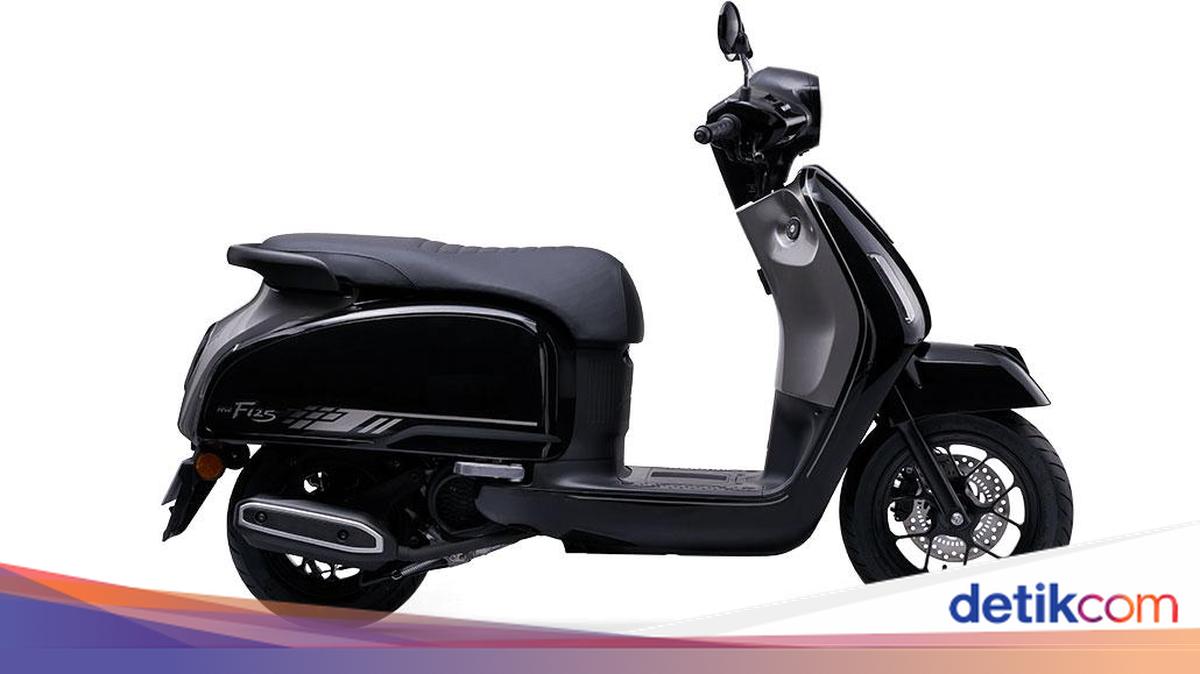
The aesthetic appeal of the Honda F125 is undeniably its most striking feature, deliberately evoking the classic silhouette of Vespa scooters. The design is characterized by smooth, rounded body lines, a gracefully sculpted front fairing, and a distinctive headlight that contributes to its timeless charm. The overall proportions are compact and agile, making it an ideal choice for navigating congested city streets and finding parking in tight urban spaces. This retro-modern design approach aims to appeal to a broad demographic, from younger riders seeking a stylish and fashionable mode of transport to those who appreciate the enduring appeal of classic scooter aesthetics.
To further cater to individual preferences, the Honda F125 is available in an array of five distinct color options: Gulf Blue, Pearl Black, Avocado Green, Milk Almond White, and Star Moon White. This diverse palette ensures that consumers can select a scooter that aligns with their personal style and preferences, enhancing its appeal as a lifestyle product.
Safety and Technology: A Tiered Approach to Rider Assistance
Honda has implemented a thoughtful approach to safety and technology, offering different levels of features across various F125 variants. The standard model is equipped with a front disc brake and a rear drum brake, integrated with Honda’s Combined Braking System (CBS). CBS is designed to improve braking stability and reduce stopping distances by distributing braking force between the front and rear wheels when the rear brake lever is applied.
For riders seeking enhanced braking performance and safety, a higher-tier variant of the F125 offers the addition of an Anti-lock Braking System (ABS) on the front wheel. ABS is a critical safety feature that prevents wheel lock-up during hard braking, allowing the rider to maintain steering control and significantly reducing the risk of skidding and accidents. The availability of ABS underscores Honda’s commitment to integrating advanced safety technologies into its mainstream offerings.
The top-of-the-line F125 variant pushes the boundaries of scooter connectivity and rider experience. This premium model boasts a vibrant color TFT display, providing clear and easily readable information to the rider. More significantly, it incorporates Honda’s WiLINK connectivity system. This advanced feature allows the scooter to seamlessly connect with a rider’s smartphone, unlocking a suite of intelligent functionalities.
Through the dedicated smartphone application, riders can utilize a digital key, enabling keyless ignition and unlocking of the scooter. This modern convenience enhances security and ease of use. The WiLINK system also supports Over-The-Air (OTA) software updates, ensuring that the scooter’s firmware remains current without the need for a dealership visit. Furthermore, riders can monitor tire pressure, check the engine’s status, and receive alerts for any unusual movement of the scooter, providing an added layer of security and proactive maintenance.
The WiLINK system’s capabilities extend to navigation and journey logging. It supports group navigation, allowing riders to plan routes with others, and offers detailed trip recording functionalities. These advanced features, typically found in much higher-priced motorcycles, demonstrate Honda’s ambition to elevate the scooter experience and offer a compelling value proposition.
Market Positioning and Pricing in China
The Honda F125 is positioned to be a competitive offering in the Chinese market, where the demand for stylish, efficient, and affordable scooters remains strong. Honda’s strategic decision to launch this model in China reflects the market’s significance and its receptiveness to new two-wheeler designs and technologies.
The pricing structure announced for the Chinese market further supports this strategy. The Honda F125 starts at 9,980 Chinese Yuan, which translates to approximately $26 million Indonesian Rupiah (based on current exchange rates). This entry-level pricing makes the F125 an attractive option for budget-conscious consumers.
For the more feature-rich variants, including those equipped with ABS, the TFT display, WiLINK connectivity, and a smart top box, the price increases to 13,400 Chinese Yuan, or roughly Rp 35 million Indonesian Rupiah. This tiered pricing allows consumers to choose a model that best suits their needs and budget, offering a clear upgrade path for those seeking more advanced features.
The introduction of the F125 in China follows a broader trend of manufacturers leveraging the country as a key market for new model introductions, particularly in segments that cater to a large and growing urban population. Honda’s established presence and reputation in China likely provide a solid foundation for the F125’s success.
Broader Implications and Market Analysis
The launch of the Honda F125 is not merely the introduction of a new scooter; it signifies Honda’s proactive engagement with evolving consumer demands in key global markets. The scooter’s design, inspired by the enduring popularity of Vespa, taps into a segment of consumers who value both style and practicality. The affordability factor, coupled with Honda’s reputation for reliability and quality, positions the F125 as a strong contender against established local and international brands.
The integration of advanced technologies like WiLINK and ABS, even in a mid-range scooter, signals a commitment to democratizing modern features. This move could pressure competitors to enhance their own offerings and accelerate the adoption of connectivity and advanced safety systems across a wider spectrum of two-wheelers. The fact that these features are being introduced in a model priced competitively underscores the growing importance of technology as a differentiator in the two-wheeler market, even for commuter-focused vehicles.
From an economic perspective, the F125’s fuel efficiency contributes to lower running costs for consumers, a crucial consideration in markets where fuel prices and disposable income play significant roles in purchasing decisions. The estimated range of 280 kilometers on a full tank also speaks to the practicality of the F125 for daily commuting, reducing the need for frequent stops at fuel stations and enhancing overall user convenience.
The strategic rollout in China also offers insights into Honda’s global product development strategy. By testing and introducing models with advanced features and retro-inspired designs in a large and dynamic market like China, Honda can gather valuable consumer feedback and gauge market receptiveness before potentially rolling out similar models to other regions. This approach allows for a more refined and targeted product strategy.
The success of the F125 will likely be influenced by its ability to deliver on Honda’s promises of reliability and durability, alongside its aesthetic appeal and technological features. The market’s reaction will also provide valuable data for Honda as it continues to navigate the competitive landscape of the global scooter market, where innovation, affordability, and consumer trends are constantly shaping the future of urban mobility. The F125 stands as a clear example of Honda’s ongoing efforts to balance iconic design with cutting-edge technology to meet the diverse needs of riders worldwide.