Dude Harlino opens up about supporting wife Alyssa Soebandono through major scoliosis surgery and recovery process

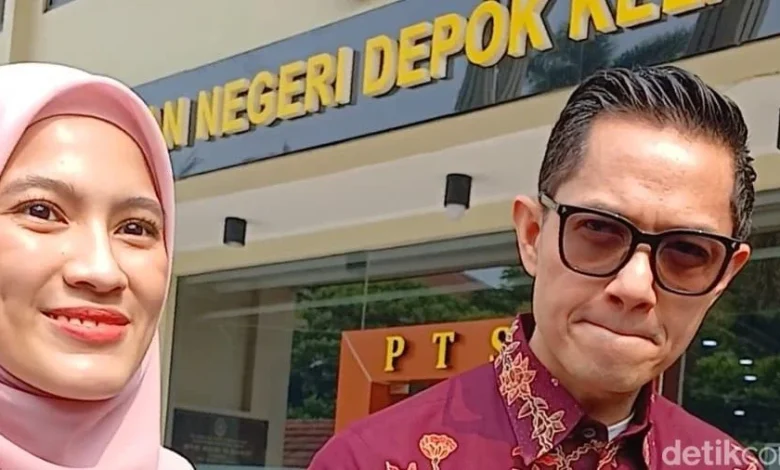
The public discourse surrounding the health of prominent figures often serves as a lens through which the general population views complex medical conditions. Recently, Indonesian actor Dude Harlino provided an intimate look into the medical journey of his wife, actress Alyssa Soebandono, who underwent corrective spinal surgery to address a long-standing case of scoliosis. This procedure, which took place approximately two months ago, marked a significant milestone in a health struggle that began nearly two decades ago. The couple’s decision to share their experience has shed light on the prevalence of scoliosis in adult women and the rigorous recovery protocols associated with spinal intervention.
A Long-Standing Medical History
Alyssa Soebandono’s journey with scoliosis dates back to 2006, when she was first diagnosed with the condition. Scoliosis, characterized by an abnormal lateral curvature of the spine, is a musculoskeletal disorder that can range from mild to severe. For many patients, early intervention involves non-invasive methods, including physiotherapy, bracing, or targeted exercise programs designed to strengthen the core and improve posture.
For nearly 18 years, Soebandono managed her condition through these conservative therapeutic measures. However, as the curvature progressed or symptoms began to impact her quality of life, the necessity for a more definitive medical intervention became apparent. The transition from long-term therapy to surgical correction is a path taken by many adults whose spinal alignment continues to deviate despite consistent conservative treatment.
The Decision-Making Process and Surgical Anxiety
For Dude Harlino, the decision to proceed with surgery was fraught with the natural apprehension associated with any procedure involving the spinal column. During an appearance at the Trans TV studios in Mampang, South Jakarta, on September 22, 2026, Harlino recounted the emotional weight of the experience.
"The doctor explained that, statistically, the majority of scoliosis sufferers are women," Harlino stated. "Initially, upon learning that surgery was the only viable path forward, there was a sense of fear. Any operation involving the spine carries inherent risks that any spouse would be concerned about."
The couple engaged in comprehensive consultations with medical professionals to understand the surgical risks, the expected outcomes, and the limitations post-operation. It was only after weighing these factors—and recognizing that the benefits of corrected alignment outweighed the risks—that the couple chose to proceed with the surgery, placing their trust in the medical team.
Understanding Scoliosis in Adults
The medical consensus on scoliosis in adults often differs from the treatment protocols for adolescents. While adolescent idiopathic scoliosis (AIS) is frequently treated with bracing to prevent progression during growth spurts, adult scoliosis is often the result of degenerative changes or the progression of an untreated childhood curvature.
According to global orthopaedic data, scoliosis affects an estimated 2% to 3% of the population. In adult cases, surgical intervention—typically spinal fusion—is considered when patients experience chronic, debilitating pain, significant neurological symptoms, or a progression of curvature that threatens cardiopulmonary function. The surgery aims to realign the spine, stabilize it with instrumentation (such as titanium rods and screws), and fuse the vertebrae to prevent further deviation.
The Recovery Timeline and Post-Operative Management
Recovery from spinal surgery is a multi-phased process that requires strict adherence to physical limitations. Harlino expressed relief regarding his wife’s progress, noting that her recovery has been swifter than initially anticipated by their medical advisors.
"Icha (Alyssa’s nickname) has shown remarkable resilience," Harlino noted. "Within two months, she has made significant strides. She is walking with ease and is nearly back to her normal daily routine."
Despite this positive outlook, the recovery period is not without restrictions. Surgeons typically mandate a period of immobilization for certain activities to ensure that the bone graft effectively fuses with the existing vertebrae. This includes restrictions on heavy lifting, high-impact physical activities, and specific twisting or bending motions that could jeopardize the stability of the surgical site.
Educating the Family and Managing Expectations
A crucial component of Soebandono’s recovery has been the active involvement of their children, Rendra and Malik. In a modern parenting approach, the couple opted for transparency, explaining the nature of their mother’s condition and the necessity of the surgery in age-appropriate terms.
"We felt it was important to be honest with our children," Harlino explained. "We walked them through the process—why the surgery was necessary, the expected duration of the recovery, and the specific limitations Icha would face during this time."
By normalizing the conversation around health and recovery, the couple has managed to maintain a stable household environment. This transparency is particularly important when a parent, who is typically the primary caregiver, faces temporary physical limitations. The children were informed that their mother could not perform certain tasks, such as lifting or carrying them, for a designated period. This management of expectations is vital in preventing accidental injury during the post-operative window.
Implications of Public Disclosure
The disclosure of Soebandono’s surgery serves a broader societal function. By sharing their story, the couple has contributed to a wider awareness of scoliosis, a condition that is often invisible but can have profound effects on a patient’s physical and mental health.
In Indonesia, where healthcare literacy is continually evolving, stories of celebrities navigating chronic conditions can destigmatize medical treatments and encourage others to seek professional orthopaedic evaluations if they experience persistent back pain or postural irregularities. It highlights the importance of early screening and the reality that even after years of conservative treatment, surgery remains a valid and often successful option for restoring mobility and quality of life.
Clinical Outlook and Future Health
As Alyssa Soebandono approaches the end of her initial recovery phase, the focus shifts toward long-term maintenance. Patients who have undergone spinal fusion must continue to engage in physical therapy to maintain flexibility and muscle strength in the segments of the spine that remain mobile.
The successful outcome reported by Harlino is a testament to the advancements in spinal surgery techniques. Minimally invasive approaches and improved intraoperative monitoring have significantly reduced recovery times and improved patient outcomes compared to procedures performed several decades ago.
Moving forward, the couple continues to prioritize Soebandono’s health as she gradually eases back into her professional and personal responsibilities. Harlino remains committed to supporting his wife as she clears the final hurdles of her rehabilitation. The story of their journey serves as a reminder of the fragility of health, the critical role of family support systems, and the efficacy of modern medical science in addressing chronic musculoskeletal conditions.
While the surgery is behind them, the experience has left a lasting impact on their approach to health management. For the public, the takeaway is clear: scoliosis is a manageable condition, provided it is met with proactive medical care, patient education, and a supportive environment, all of which were present in the couple’s experience throughout this challenging ordeal. The fact that Soebandono is already returning to normalcy is a positive indicator of both the quality of the medical care received and her own dedication to the post-operative recovery protocol.