Apple Faces Major Hurdles Following Reports of Screen Failures in Inaugural iPhone Duo Foldable Device

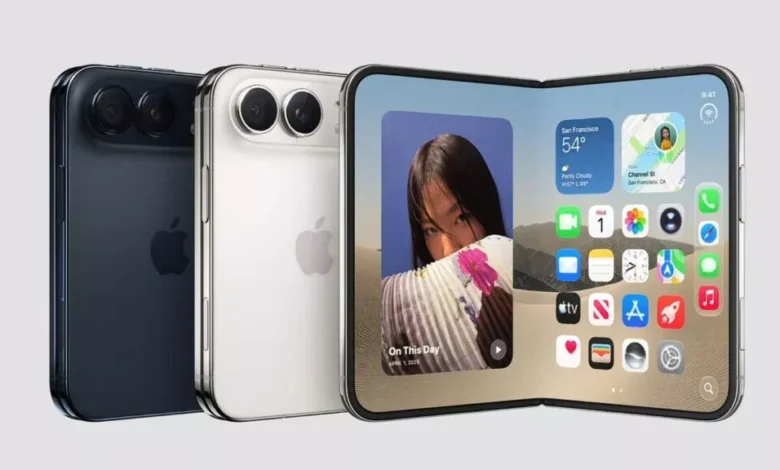
The launch of the iPhone Duo, Apple’s highly anticipated entry into the foldable smartphone market, has encountered a significant technical roadblock that threatens to overshadow its market debut. Just weeks after the device reached consumer hands, a growing chorus of early adopters has reported critical failures involving the internal flexible display. The issue, which has been colloquially dubbed "Crackgate" within tech enthusiast circles and online forums, encompasses a range of hardware malfunctions, including spontaneous fractures along the screen’s crease, misalignment of internal mechanical components, and the sudden appearance of vertical artifact lines that render portions of the display unusable.
These reports are particularly damaging because they often involve devices that have not been subjected to drops, extreme temperatures, or improper handling. For a company that has built its reputation on the "it just works" philosophy and rigorous quality control standards, the emergence of such pervasive hardware defects in a first-generation flagship product represents a substantial challenge to both consumer trust and brand equity.
A Chronology of the iPhone Duo Rollout
The journey to the iPhone Duo’s release was marked by years of anticipation, rumors, and internal testing. Apple had long been criticized by industry analysts for its cautious, almost hesitant approach to the foldable form factor, particularly as competitors like Samsung, Google, and Huawei iterated through multiple generations of their own foldable hardware.
The timeline of the current crisis began almost immediately after the product’s global release. Within the first 72 hours, early reviewers and power users began documenting "stress lines" on platforms such as X (formerly Twitter) and Reddit. By the end of the first week, the frequency of these reports escalated, transitioning from isolated incidents to a discernible trend. By the second week, authorized Apple Service Providers (ASPs) reported a noticeable uptick in walk-in appointments specifically citing screen-related malfunctions. The rapid acceleration of these complaints suggests that the issue may be rooted in a systemic manufacturing or engineering oversight rather than a localized batch defect.
Analyzing the Engineering Challenges
The technical complexity of a foldable device lies in the hinge mechanism and the proprietary polymer layers that protect the OLED panel. Apple, known for its precision engineering, seemingly opted for a sophisticated "teardrop" hinge design intended to minimize the visible crease. However, preliminary teardown analyses by independent repair shops suggest that the structural integrity of the display module may be compromised by the tension required to keep the screen flat when unfolded.
The phenomenon of "Crackgate" appears to be linked to two specific failure points: the fatigue of the protective ultra-thin glass (UTG) and the adhesive bonding between the display and the chassis. When the device is closed, the internal radius of the screen must withstand significant pressure. If the adhesive layer is too rigid, or if the internal frame shifts by even a fraction of a millimeter due to temperature fluctuations, the brittle display layer is prone to micro-fracturing.
Industry experts note that Apple’s entry into this space was expected to set a new benchmark for durability. By choosing to release a device that seemingly struggles with the same fundamental physics that plagued early competitors, Apple has inadvertently validated the long-standing narrative that foldable technology is not yet ready for the mainstream market.
Market Reaction and Competitive Landscape
The immediate consequence of the iPhone Duo’s technical struggles has been a measurable shift in market sentiment. While the Apple ecosystem remains fiercely loyal, many prospective buyers are now adopting a "wait and see" approach, delaying their purchases to see if a mid-cycle hardware revision or a "Version 2.0" addresses these defects.

Conversely, competitors have been quick to capitalize on the situation. Samsung, in particular, has seen a resurgence in interest for its Galaxy Z Fold 8, with retail data indicating a double-digit percentage increase in sales inquiries immediately following the news of the iPhone Duo’s screen issues. The comparison is inevitable: Samsung has had eight generations to refine its hinge and screen protection, whereas Apple is currently in its "learning phase." This disparity in experience has become the focal point of the current market debate.
Official Stance and Customer Support Dynamics
As of the current reporting, Apple has remained notably silent regarding the widespread nature of these failures. The company’s standard operating procedure involves a period of internal investigation before issuing a public statement or initiating a formal repair program. However, this silence is beginning to frustrate the consumer base.
On the ground, Apple Store employees have been instructed to follow standard warranty procedures, which often involve replacing the device if the damage is deemed "non-accidental." Yet, the ambiguity surrounding what constitutes "accidental damage" remains a point of contention. Many users report that Genius Bar staff are initially hesitant to classify screen fractures as manufacturing defects, forcing customers to advocate for themselves to avoid the high out-of-warranty repair costs associated with foldable OLED panels.
Broader Implications for Apple’s Hardware Strategy
The implications of this crisis extend far beyond the iPhone Duo itself. Apple’s long-term product roadmap is heavily reliant on the successful integration of flexible display technology into other product lines, including the rumored foldable iPad and potential laptop configurations. If the company cannot guarantee the reliability of its first foldable phone, the roadmap for these more expensive, larger-format devices is likely to face significant delays.
Furthermore, the "Apple Tax"—the premium price consumers pay for perceived reliability and build quality—is currently being tested. If the iPhone Duo continues to suffer from high failure rates, the brand’s premium positioning could be undermined. Institutional investors are watching the situation closely, as the cost of potential mass recalls or an extended warranty program could weigh on the company’s quarterly margins.
The Path Forward: Mitigation and Recovery
To regain consumer confidence, analysts suggest that Apple must take a multi-pronged approach. First, transparency is essential. A technical white paper detailing the cause of the screen failures and the steps taken to rectify the manufacturing process would go a long way in calming market anxieties. Second, a dedicated "Service Program" for the iPhone Duo, similar to those Apple has launched in the past for keyboard issues on MacBooks or battery degradation in older iPhones, would provide the necessary assurance to current owners.
Finally, the company must accelerate its engineering refinements. Whether this involves a change in the display supply chain, a redesign of the hinge, or a software update that alters the folding tension, the pressure is on Apple’s hardware engineering team to provide a solution that restores the standard of quality associated with the brand.
Conclusion: A Pivotal Moment
The debut of the iPhone Duo was meant to be a triumph—a signal that Apple had finally mastered the most difficult hardware challenge in the mobile industry. Instead, it has become a cautionary tale about the perils of entering a high-stakes, immature market segment. While the company has historically proven adept at weathering early-product controversies—ranging from "Antennagate" on the iPhone 4 to early display issues on the first Apple Watch—the foldable category is uniquely unforgiving.
The next few months will be critical. If Apple manages to address the technical failures swiftly and transparently, the iPhone Duo may simply be remembered as a growing pain in the company’s transition to new display technologies. However, if the issues persist or if the response is perceived as dismissive, the "Crackgate" incident could leave a lasting scar on the brand’s reputation for excellence. For now, the global tech industry remains in a state of watchful waiting, observing whether Apple will solidify its position as a leader in the foldable space or if this initial stumble will necessitate a fundamental reassessment of their hardware strategy.