Joint Task Force Intercepts Massive Narcotics Shipment at Indonesia-Malaysia Border in Entikong

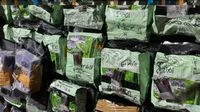
A massive narcotics trafficking attempt has been thwarted at the Indonesia-Malaysia border, marking a significant victory for Indonesian law enforcement and military coordination. In a coordinated operation conducted in November 2026, a multi-agency task force intercepted over 31 kilograms of methamphetamine and nearly 5,000 ecstasy pills in the Guntembawang area, located in the Entikong district of Sanggau Regency, West Kalimantan. This operation highlights the persistent challenges of securing porous border regions against transnational organized crime syndicates.
The operation involved a comprehensive security apparatus, including personnel from the Entikong Customs Office (Bea Cukai), the RI-Malaysia Border Security Task Force (Satgas Pamtas) Yonarmed 19/Bogani, the Strategic Intelligence Agency (BAIS TNI), the State Intelligence Agency (BIN), the SGI, the Entikong Police, the Sanggau Military District Command (Kodim), and the Entikong Branch of the District Attorney’s Office. The seizure serves as a stark reminder of the sophisticated methodologies employed by international drug cartels to exploit remote jungle corridors for illicit trade.
Chronology of the Operation
The interception occurred during a routine surveillance mission conducted by the Satgas Pamtas in the Guntembawang region, a known, albeit difficult-to-monitor, transit point for cross-border traffic. On a November day in 2026, intelligence-led patrols identified two individuals attempting to bypass official immigration checkpoints by utilizing an "illegal path" or "jalan tikus" (rat trail).
As the security patrol moved to initiate a stop-and-search procedure, the two suspects abandoned their cargo and fled into the dense forest terrain, successfully evading capture. Upon inspecting the abandoned items—consisting of a traditional basket and a backpack—officers discovered a significant cache of illicit substances. The items were immediately secured and transported to the Pos Dalduk Kotis of the Satgas Pamtas for further forensic investigation.
Preliminary testing conducted on-site by the Entikong Customs and Excise team utilized Narcotest NIK kits. The testing confirmed that the white crystalline substance found within 30 tea-branded packets was methamphetamine, with a gross weight totaling approximately 31,371.4 grams, or 31.37 kilograms. Additionally, five separate packages contained 4,955 pink tablets, which also tested positive for MDMA, commonly known as ecstasy.
Forensic Validation and Chain of Custody
The integrity of the evidence has been prioritized to ensure a successful prosecution. Following the initial field tests, the evidence was formally secured and transferred to the Tanjungpura Military Command (Kodam) in West Kalimantan. This step reflects the military’s ongoing involvement in domestic security and counter-narcotics efforts in border regions.
Rudi Endro Pratikto, Head of the Entikong Customs Office, confirmed that the seized narcotics will be handed over to the National Narcotics Agency (BNN) of West Kalimantan Province for further investigation and eventual destruction. "This intervention is a testament to the robust synergy between the various agencies tasked with border security. By strengthening our surveillance and operational coordination, we are effectively disrupting the supply chains that seek to flood our nation with illicit narcotics," Pratikto stated during a press briefing on November 4, 2026.
The Geography of Illicit Trade
The Entikong region in West Kalimantan has long been identified as a critical vulnerability in Indonesia’s border security architecture. The terrain is characterized by mountainous jungle and hundreds of undocumented trails that connect the Sanggau Regency to the Malaysian state of Sarawak. These "rat trails" are frequently utilized by local residents for legitimate trade and social visits, but they are increasingly exploited by transnational syndicates who hire local couriers to transport contraband across the international boundary.
The use of tea packaging to conceal methamphetamine is a hallmark of the "Golden Triangle" drug syndicates. By mimicking legitimate commercial packaging, traffickers hope to bypass visual inspections by border patrols. However, the vigilance of the Satgas Pamtas and the intelligence-sharing mechanisms currently in place have made these routes increasingly perilous for traffickers.
Broader Implications and Strategic Challenges
The seizure of 31 kilograms of methamphetamine and nearly 5,000 ecstasy pills represents a substantial street value, potentially worth billions of rupiah, had the substances reached their intended markets in Jakarta or other major urban centers in Indonesia. Beyond the monetary loss for the cartels, the interception prevents a significant public health crisis.
However, the event underscores a persistent strategic challenge for the Indonesian government: the need to balance the facilitation of legitimate trade at the Entikong Integrated Border Post (PLBN) with the necessity of closing off informal entry points. Experts in regional security suggest that while physical interdiction is vital, the "war on drugs" at the border requires a multi-pronged approach:
- Technological Enhancement: Increased investment in drone surveillance and thermal imaging cameras is essential to monitor remote trails where physical patrols cannot be omnipresent.
- Community Engagement: Encouraging border communities to report suspicious activities is critical, as these residents are the first to observe unusual movements in the forest corridors.
- Regional Cooperation: Strengthening communication with the Malaysian authorities (specifically the Royal Malaysia Police and the Malaysian Armed Forces) is necessary to dismantle the drug networks on both sides of the border rather than merely seizing goods at the line of demarcation.
The Role of Inter-Agency Synergy
The successful operation involving eight different state entities is a direct result of the "Integrated Border Management" strategy promoted by the Indonesian government. By pooling resources from the military (TNI), intelligence services (BIN/BAIS), law enforcement (Police/BNN), and customs (Bea Cukai), the government creates a layered defense system.
"This is not just a police matter or a customs matter," noted a security analyst familiar with regional border issues. "It is a national security priority. When you have intelligence agencies, the military, and civil service entities working in lockstep, the probability of intercepting high-value shipments increases exponentially. The challenge is maintaining this level of coordination indefinitely across such a vast and difficult landscape."
Future Outlook
As the investigation into the two fleeing suspects continues, authorities in West Kalimantan are focusing on identifying the syndicate behind the shipment. The packaging and the sheer volume of the haul suggest the involvement of an organized, well-funded criminal enterprise.
For the residents of Sanggau, this operation serves as a warning of the risks posed by narcotics trafficking in their backyard. For the Indonesian government, it is a reminder that despite advancements in border infrastructure, the battle against illicit trade is far from over. The upcoming legal proceedings, managed by the BNN of West Kalimantan, will likely seek to uncover the origin of the drugs and the intended destination, providing further intelligence that could lead to the arrest of higher-level distributors.
The Entikong incident remains a high-profile case that will likely influence future security policy in the region. As Indonesia continues to expand its economic presence at the border, the need for sophisticated, intelligence-led enforcement will remain a top priority to ensure that the border acts as a gateway for prosperity, not a conduit for transnational crime. The ongoing collaboration between the various agencies involved in this case serves as a benchmark for future border security operations, demonstrating that a unified approach is the most effective weapon against the complex threats facing the nation’s frontier.