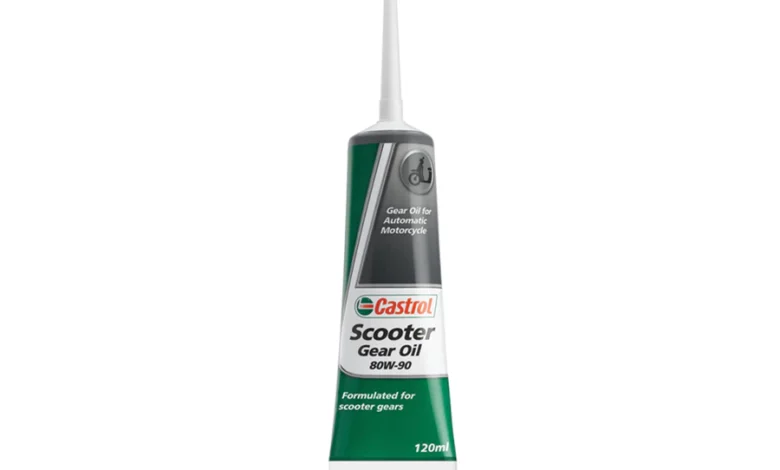
The maintenance of automatic motorcycles, commonly referred to as matic bikes, relies heavily on the health of the final drive transmission system. While engine oil changes are frequently discussed and prioritized by riders, the gear oil—or final drive lubricant—often remains an overlooked component. This fluid is responsible for reducing friction between the gears in the transmission box, effectively preventing metal-on-metal wear that can lead to catastrophic failure, noise, and power loss. As of 2026, the market for these lubricants has expanded significantly, offering a variety of synthetic and mineral-based options designed to withstand the high-torque demands of modern urban commuting.
The Role of Transmission Lubrication in Matic Systems
In a continuously variable transmission (CVT) system, the engine generates power that is transferred to the rear wheel through a series of gears. Unlike engine oil, which operates under extreme thermal conditions and combustion byproducts, gear oil functions primarily as a high-pressure lubricant for the gear set. If this fluid degrades or thins out due to heat and mechanical shear, the gears can suffer from "pitting," where tiny pieces of metal break off the teeth, causing significant vibration and, eventually, transmission lock-up.
Industry standards for 2026 suggest that the average interval for gear oil replacement should occur every 8,000 to 12,000 kilometers, or every three engine oil changes. However, environmental factors such as stop-and-go traffic, high-load riding (carrying passengers or heavy cargo), and tropical climates—common in Southeast Asia—can accelerate the degradation of the lubricant’s chemical additives.
Chronology of Transmission Maintenance Standards
The evolution of motorcycle transmission maintenance has shifted over the last decade. In the early 2010s, manual transmission maintenance was often neglected due to a lack of consumer awareness. By 2018, major original equipment manufacturers (OEMs) began standardizing service intervals, emphasizing the importance of gear oil as a separate entity from engine oil.
By 2023, the rise of high-performance maxi-scooters with larger engine displacements (250cc and above) necessitated the development of more robust, shear-stable synthetic gear oils. Today, in 2026, the industry has reached a point where aftermarket performance lubricants often utilize ester-based additives, which provide superior protection during cold starts and high-temperature operation, marking a significant technological upgrade from the basic mineral oils used a decade ago.
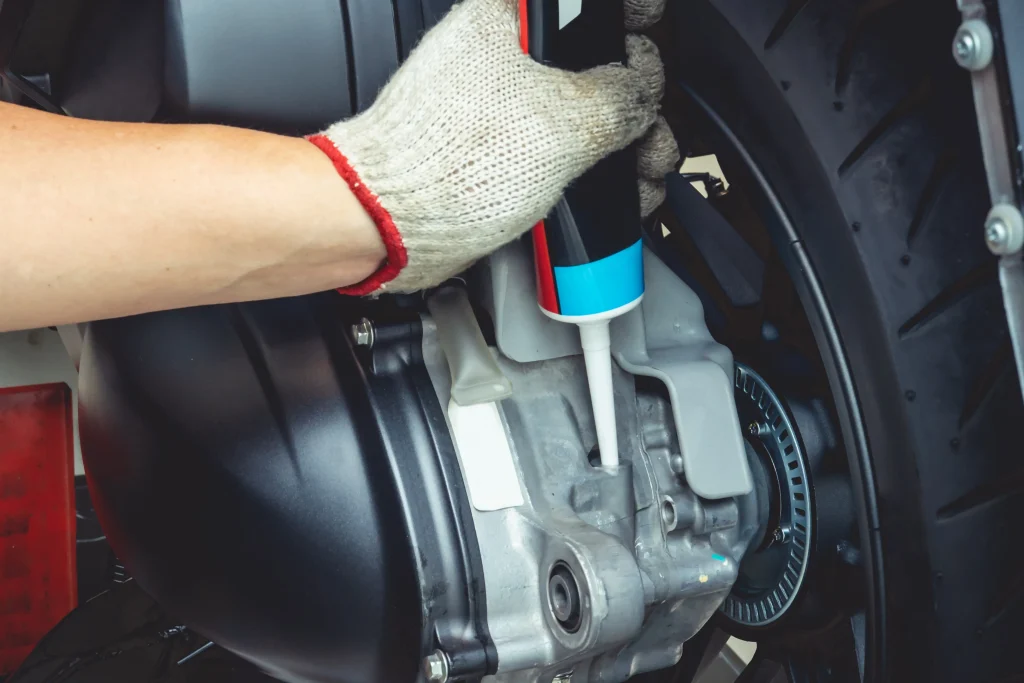
Top 10 Recommended Gear Oils for 2026
1. AHM Gear Oil
As the OEM product for Honda, this lubricant is engineered specifically for the materials and gear ratios found in the BeAT, Vario, and Scoopy series. Its primary advantage is compatibility; it is optimized to prevent seal leakage in Japanese-engineered gearboxes.
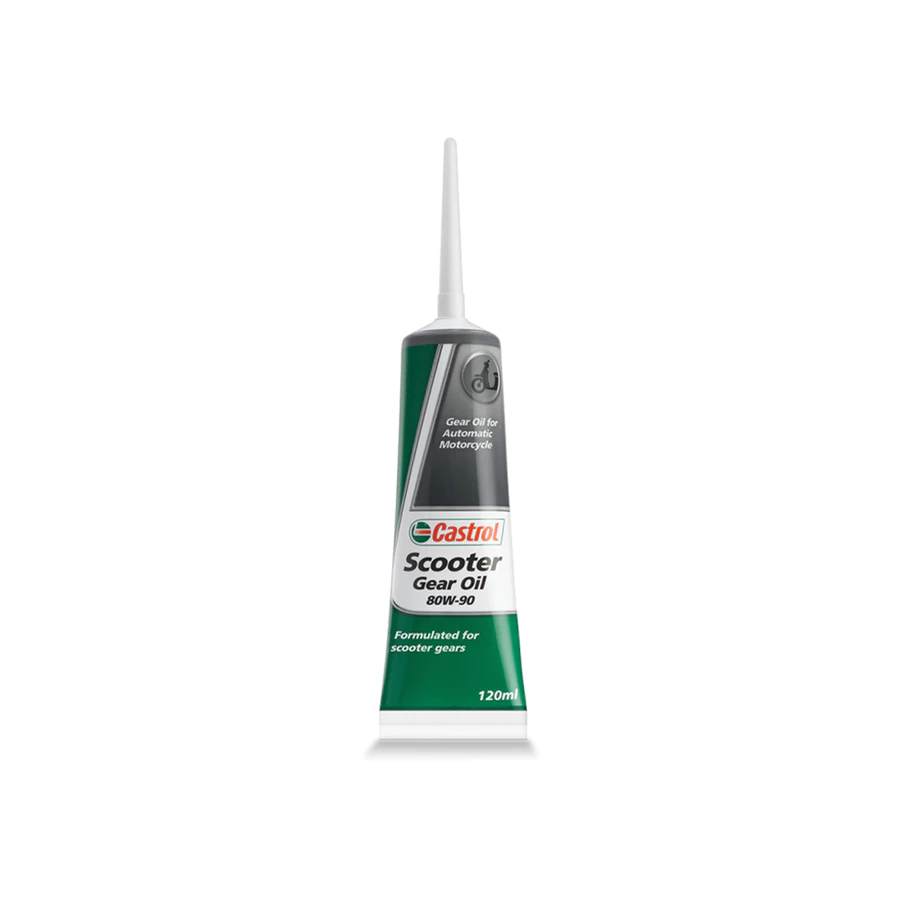
2. Castrol Scooter Gear Oil SAE 80W-90
Castrol’s entry into the 2026 market focuses on film strength. The 80W-90 viscosity grade is considered the "gold standard" for versatility, providing excellent protection in both high-heat and cooler morning conditions. It is widely praised for its ability to reduce gear whine.
3. Motul Scooter Gear 80W-90
Motul remains a leader in synthetic and semi-synthetic lubricant technology. Their 2026 formula features an anti-wear additive package that is particularly effective in high-torque scooters, making it a preferred choice for riders who commute in heavy traffic.
4. Yamalube Gear Oil
Yamaha’s official lubricant is designed to meet the exact tolerances of the Blue Core engine family. By using this oil, owners ensure that their warranties remain valid and that the viscosity index matches the specific heat dissipation characteristics of Yamaha transmissions.
5. Federal Matic Gear Oil
Federal Oil has positioned itself as the budget-friendly yet high-performance alternative. Their 2026 line includes enhanced oxidation resistance, ensuring that the oil does not break down even when the transmission reaches high operating temperatures.
6. Shell Advance Gear Oil
Leveraging Shell’s proprietary PurePlus technology, this product is derived from natural gas. The result is a cleaner, more consistent lubricant that resists the accumulation of sludge, which is a common byproduct of long-term gear operation.
7. Deltalube Gear Matic
Deltalube focuses on durability. Their current formulation is highly regarded for its longevity, making it a suitable choice for delivery riders and those who use their motorcycles as primary tools for commercial transport.
8. Eni Gear Matic
The Italian manufacturer Eni has refined its gear oil to provide smoother power transfer. Users often report a more "fluid" feeling during acceleration, attributed to the low-friction coefficient of their latest additive package.
9. Aspira Gear Oil
Aspira continues to provide reliable, mass-market solutions. Its strength lies in its accessibility and price-to-performance ratio, making it an ideal candidate for routine maintenance in older or high-mileage motorcycles.
10. Liqui Moly Gear Oil
Targeting the premium segment, Liqui Moly offers high-performance gear oils that provide superior protection against shock loading. While more expensive, it is highly recommended for riders of luxury maxi-scooters who demand the highest level of mechanical safety.
Technical Analysis: The Impact of Viscosity
A critical factor in choosing the right oil is understanding viscosity grades. The "W" in 80W-90 stands for "Winter," indicating the oil’s flow properties at low temperatures, while the 90 indicates its thickness at 100 degrees Celsius. Using an oil that is too thin can lead to metal contact, while one that is too thick can cause excessive drag, reducing fuel economy and causing the transmission to overheat. Manufacturers warn against using engine oil in the gear box, as engine oil contains detergent additives that can cause "clutch slip" or seal degradation in transmission systems.
Expert Perspectives and Safety Implications
Mechanics and automotive engineers stress that the "neglect syndrome" is the leading cause of transmission failure in matic bikes. A survey of service centers in 2026 indicates that approximately 30% of transmission repairs could have been avoided if the owner had adhered to the recommended gear oil change interval.
"The failure of a gear bearing is often silent until it is too late," explains an industry lead engineer. "By the time the rider hears a grinding sound, the damage to the gear teeth is already irreversible. Regular replacement is a low-cost insurance policy for a very expensive component."
Broader Implications for Motorcycle Owners
For the modern rider, the implications are clear: the shift toward more sophisticated engine designs requires a more proactive approach to maintenance. As motorbikes become more complex and power-dense, the margin for error in lubrication decreases.
Furthermore, the rise of digital service records—now standard in many 2026 motorcycle dealership apps—makes it easier than ever for owners to track their gear oil history. Ignoring these prompts or delaying service does not merely risk a mechanical breakdown; it also affects the resale value of the vehicle. A well-documented maintenance history that includes consistent gear oil changes is a major selling point in the secondary market.
Conclusion and Best Practices
When selecting a gear oil for your 2026 model, the following protocol is recommended:
- Consult the Manual: Always verify the viscosity requirement (e.g., 80W-90 or 10W-30) specified by the manufacturer.
- Prioritize Quality: Avoid unbranded or suspicious "refill" oils that lack proper sealing or documentation.
- Check the Seal: During every change, inspect the drain plug for excessive metal shavings. A small amount of "fuzz" is normal, but large metallic particles indicate internal damage.
- Consistency: If you switch brands, ensure the new oil meets or exceeds the specifications of the previous one.
In summary, the health of an automatic transmission is inextricably linked to the quality and freshness of its gear oil. By treating the gear oil with the same importance as the engine oil, riders can significantly extend the lifespan of their motorcycles, ensuring reliability and performance for years to come. Whether opting for OEM-branded lubricants or high-performance aftermarket alternatives, the key to longevity remains consistent, scheduled maintenance.