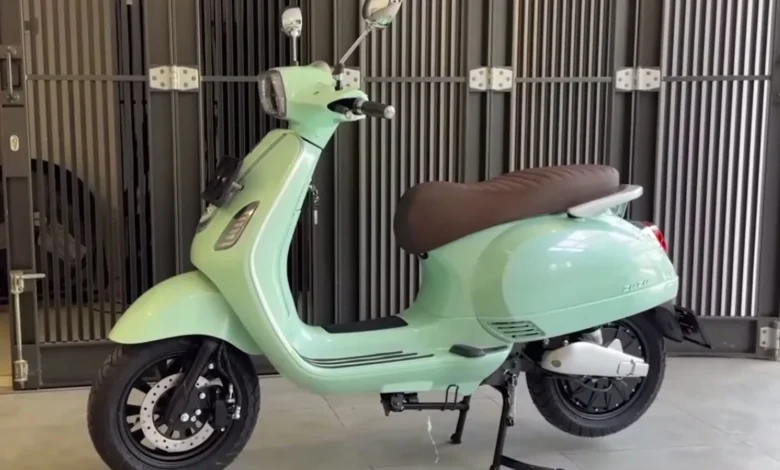
The landscape of personal urban mobility in Indonesia is undergoing a significant transformation, driven by a convergence of environmental consciousness, government subsidies, and an enduring aesthetic preference for classic Italian-inspired design. While the electric vehicle (EV) market was once dominated by utilitarian, futuristic, and sometimes experimental designs, the current trend is shifting toward "neo-retro" styling. Motorists are increasingly seeking vehicles that provide the efficiency of electric propulsion without sacrificing the timeless charm of mid-century scooter aesthetics.
This demand has catalyzed a surge in the availability of electric scooters that mirror the iconic silhouettes of classic Vespa models. These vehicles, often categorized by their rounded body panels, signature headlamps, and upright seating ergonomics, have become a staple for commuters navigating dense metropolitan areas like Jakarta, Surabaya, and Bandung. With price points ranging from entry-level options under IDR 10 million to premium, high-performance variants, the market is currently catering to a diverse demographic ranging from university students to corporate professionals.
The Evolution of the Electric Scooter Market in Indonesia
The Indonesian government’s commitment to accelerating the adoption of battery-based electric motor vehicles (KBLBB) has been the primary driver for this market growth. Through Presidential Regulation No. 55 of 2019, the government laid the groundwork for an EV ecosystem, which was later bolstered by financial incentives—most notably the IDR 7 million subsidy for verified electric motorcycles.
Between 2021 and 2024, the market saw an influx of local and imported brands. Initially, the public perception of electric motorcycles was hampered by concerns regarding battery longevity, charging infrastructure, and top speed. However, as manufacturers began to prioritize design—specifically the "Vespa-look" aesthetic—the barriers to entry lowered. Consumers were no longer just buying an electric vehicle for its utility; they were buying it as a lifestyle accessory.
Analyzing the Popularity of Retro-Styled EVs
The preference for classic designs is not merely a matter of fashion. From a consumer behavior standpoint, the familiar shape of a vintage-style scooter reduces the psychological barrier to switching from internal combustion engine (ICE) vehicles. Many riders feel more comfortable transitioning to a design they recognize, which mimics the ergonomics of traditional scooters.
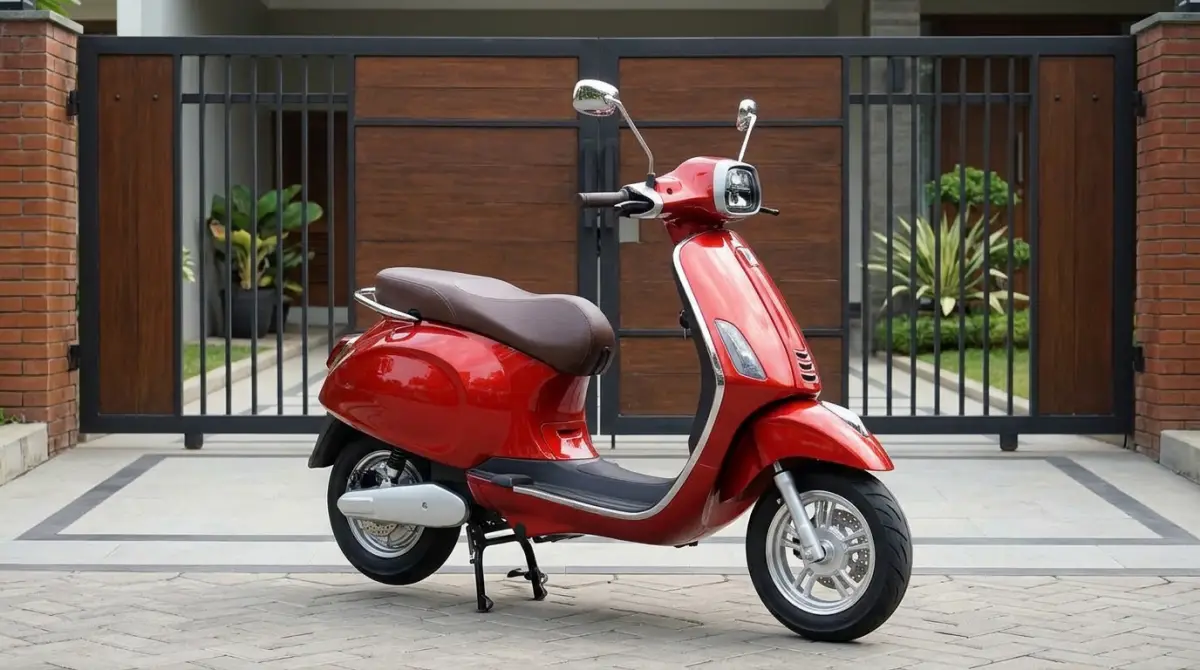
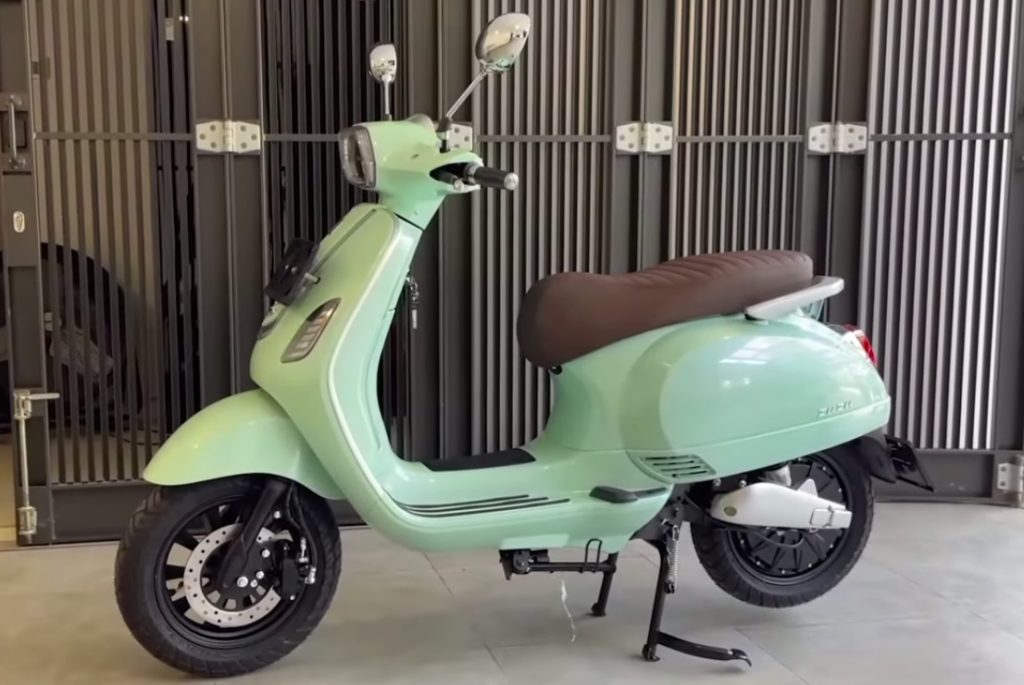
Furthermore, the emergence of these models aligns with the "green lifestyle" movement. For the younger generation, owning a vehicle that is both "Instagrammable" and sustainable is a key purchase driver. This has led manufacturers to refine their product lines, ensuring that even entry-level models feature high-quality finishes, pastel color palettes, and retro-inspired chrome accents.
Deep Dive: Leading Models in the Market
The current market is segmented into three primary tiers: entry-level, mid-range, and premium. Each segment addresses different user requirements, from short-distance campus commutes to more robust urban delivery tasks.
1. Uwinfly T3 and T5: The Accessible Entry Point
Uwinfly has successfully captured the budget-conscious segment with its T-series. The Uwinfly T3, priced at approximately IDR 9.8 million, is widely regarded as the benchmark for affordability in the retro segment. Its design is a clear homage to the classic Italian aesthetic, featuring a round headlight and a lightweight frame. The T5, a larger sibling in the lineup, offers enhanced dimensions for riders who require more stability and storage space. These models utilize Lead-Acid or Lithium batteries depending on the configuration, making them ideal for urban neighborhood commuting.
2. Smoot Zuzu: The Swap-Station Innovator
Smoot Zuzu represents a pivot toward infrastructure-integrated mobility. By utilizing the "Swap" battery ecosystem, the Zuzu eliminates the primary pain point of electric vehicles: long charging times. Riders simply visit a designated station to swap a depleted battery for a fully charged one in under a minute. This model is specifically engineered for high-mobility users who do not have the luxury of charging at home or the office. Its aesthetic is distinctively vibrant, often featuring dual-tone color schemes that emphasize its modern, clean-tech identity.
3. Davigo Forza: Performance Meets Elegance
For those seeking a more refined experience, the Davigo Forza offers a balance of power and design. With an 800-watt motor, the Forza provides a higher torque output, allowing for better acceleration in stop-and-go city traffic. The design language is sharper and more reminiscent of the Vespa Sprint, featuring aggressive lines and a premium finish. With a range of up to 70 kilometers on a single charge, the Forza is a viable candidate for daily commuting in major cities where distances between home and work are substantial.
4. Exotic Sprinter Prime: The Utility-Focused Retro
Exotic, a sub-brand of Pacific Bike, has carved a niche with the Sprinter Prime. This model emphasizes structural durability and practical features. While maintaining the classic look, it includes reinforced suspension and improved brake systems, acknowledging the road conditions often found in secondary urban roads.
Infrastructure and Regulatory Implications
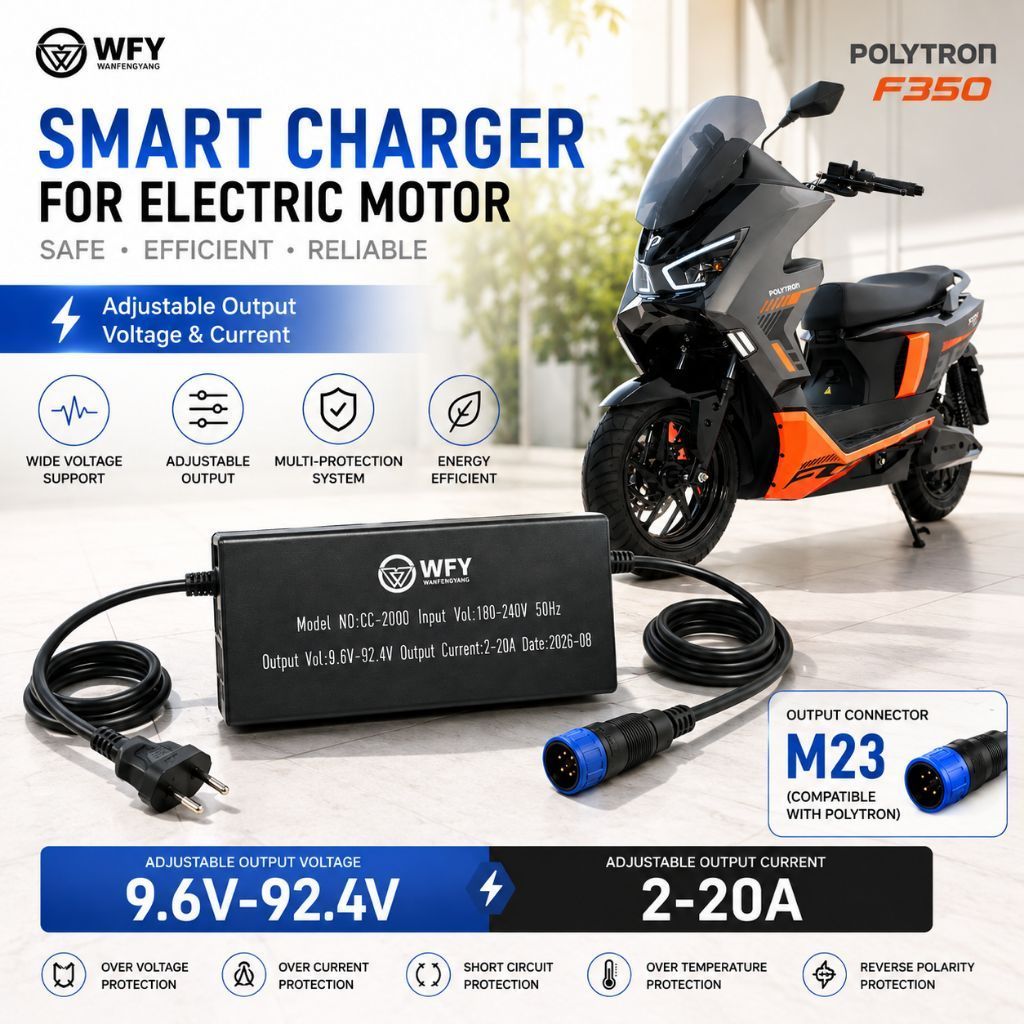
The proliferation of these models brings to light the necessity of a robust supporting ecosystem. The availability of "Fast Chargers" and "Smart Chargers" with M23 connectors has become a critical aftermarket segment. As owners increasingly modify their vehicles with external storage solutions and specialized charging equipment, the industry has seen a rise in small-scale accessory manufacturing.
From a regulatory perspective, the government’s focus is now shifting toward battery standardization. As different manufacturers use varying battery formats, the lack of uniformity poses a challenge for public charging stations. However, the rise of the battery-swapping model, as championed by brands like Smoot, suggests that the industry is moving toward a service-oriented model rather than a hardware-only one.
Economic and Environmental Impact
The shift toward these retro-electric scooters is not without economic significance. The transition helps reduce the nation’s reliance on imported fossil fuels, a key objective of the national energy policy. Furthermore, the local manufacturing of these components—often done through assembly plants in areas like Kendal or Tangerang—creates a trickle-down effect for the domestic labor market.
Environmental analysts note that while the lifecycle of lithium-ion batteries remains a concern, the reduction in tailpipe emissions in congested city centers like Jakarta is tangible. A standard electric scooter can reduce CO2 emissions by approximately 1.5 to 2 tons per year compared to an equivalent gasoline scooter, provided the electricity source is managed sustainably.
Expert Perspectives and Market Outlook
Industry observers argue that the "Vespa-look" trend is only the beginning. As technology matures, we can expect to see these retro-styled vehicles integrate more sophisticated connectivity features, such as app-based diagnostics, GPS anti-theft tracking, and regenerative braking systems.
"The consumer is looking for a vehicle that feels like an extension of their personal style," says a local automotive analyst. "By combining the heritage design that people have loved for 70 years with the propulsion technology of the 21st century, manufacturers have created a ‘best-of-both-worlds’ scenario. The challenge moving forward will be scaling production while maintaining quality control to ensure these vehicles remain reliable over a 5-to-10-year lifespan."
Future Trends: What to Expect
As we look toward 2025 and beyond, several trends are likely to shape this segment:
- Integration of Artificial Intelligence: Future models may feature AI-driven energy management to optimize battery consumption based on real-time traffic data and rider habits.
- Expansion of Battery Swapping Networks: As more cities adopt the swap-station model, the reliance on home charging will decrease, making these vehicles accessible to those living in high-density residential buildings.
- Customization Culture: Similar to the traditional Vespa community, the electric scooter scene is fostering a culture of customization. From bespoke paint jobs to performance upgrades, the aftermarket sector for these EVs is expected to grow by double digits annually.
Conclusion
The rise of retro-styled electric motorbikes in Indonesia is a testament to the fact that sustainability does not have to come at the expense of design. By offering a blend of nostalgic aesthetics and modern convenience, manufacturers have successfully bridged the gap between traditional scooter enthusiasts and the new wave of eco-conscious commuters.
Whether one opts for the highly accessible Uwinfly, the convenient battery-swapping system of the Smoot Zuzu, or the performance-oriented Davigo Forza, the options are broader than ever. As the infrastructure continues to improve and government support remains steady, the "Vespa-style" electric scooter is poised to remain a dominant force on Indonesian roads, signaling a cleaner, more stylish future for urban transportation. For the prospective buyer, the current market offers a unique window of opportunity to adopt green technology while maintaining a look that is both timeless and undeniably cool.
Related posts: