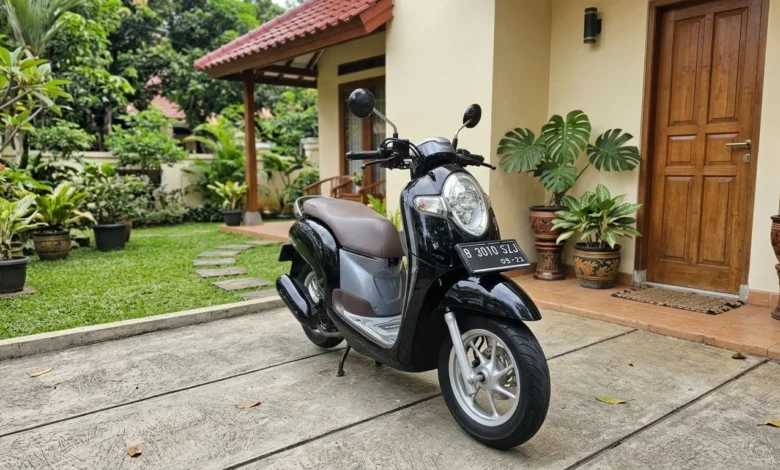
The Honda Scoopy has long maintained its status as a staple in the Indonesian motorcycle market, particularly among urban commuters who prioritize a blend of aesthetic appeal and functional reliability. As of the current market cycle, the 2020 model remains a highly sought-after commodity in the secondary vehicle sector. This demand is driven by the model’s distinctive neo-retro design, compact ergonomics, and a proven track record of fuel efficiency. For prospective buyers, understanding the technical specifications, the evolution of the model during this specific year, and the nuances of the used market is essential to ensuring a sound investment.
The Evolution and Context of the 2020 Model Year
The year 2020 served as a pivotal turning point for the Honda Scoopy lineage. In the final quarter of 2020, Astra Honda Motor (AHM) introduced the fifth generation of the Scoopy, a move that fundamentally shifted the platform’s architecture. This transition is critical for buyers to understand: the 2020 market contains both the final iteration of the fourth generation and the inaugural units of the fifth generation.
The transition introduced the Enhanced Smart Architecture Frame (eSAF). This lightweight, high-rigidity frame was engineered to improve handling and fuel economy, representing a significant technological departure from the previous generation’s tubular frame. This strategic update was aimed at positioning the Scoopy to compete more effectively against an increasingly sophisticated field of small-displacement automatic scooters.
Technical Specifications and Engineering Foundations
The fifth-generation Honda Scoopy 2020 is powered by a 109.5cc, single-cylinder, four-stroke, SOHC engine equipped with the enhanced Smart Power (eSP) technology. This engine configuration is optimized for urban environments, where stop-and-go traffic demands consistent power delivery and thermal management.
The engine produces a maximum output of 6.6 kW (9 PS) at 7,500 rpm and a peak torque of 9.3 Nm at 5,500 rpm. While these figures may appear modest, they are highly effective for the vehicle’s intended purpose. The integration of the PGM-FI (Programmed Fuel Injection) system, paired with the Idling Stop System (ISS), allows the engine to achieve a fuel consumption rate of approximately 59 km/liter, according to internal testing based on the ECE R40 standard.
Structural Integrity and Chassis Dynamics
The move to the eSAF platform in the late 2020 models fundamentally altered the vehicle’s geometry. The frame design is intended to reduce weight without compromising structural rigidity, contributing to the scooter’s agile handling. The chassis is supported by 12-inch wheels, which are a hallmark of the Scoopy’s aesthetic and contribute to its stable road-holding characteristics in dense traffic.
The braking system utilizes a front disc brake paired with a rear drum brake, unified by Honda’s Combi Brake System (CBS). This system is designed to provide balanced braking force distribution, enhancing safety for riders of varying skill levels. With a ground clearance of 143 mm and a luggage compartment capacity of 15.4 liters, the scooter offers a practical solution for daily errands, balancing its compact dimensions with sufficient storage utility.
Market Valuation and Price Fluctuations
In the secondary market, the pricing of a 2020 Honda Scoopy is influenced by several variables: production month, trim level, physical condition, maintenance history, and administrative status, such as the validity of the vehicle’s registration (STNK) and tax payments.
Market data suggests a tiered pricing structure:
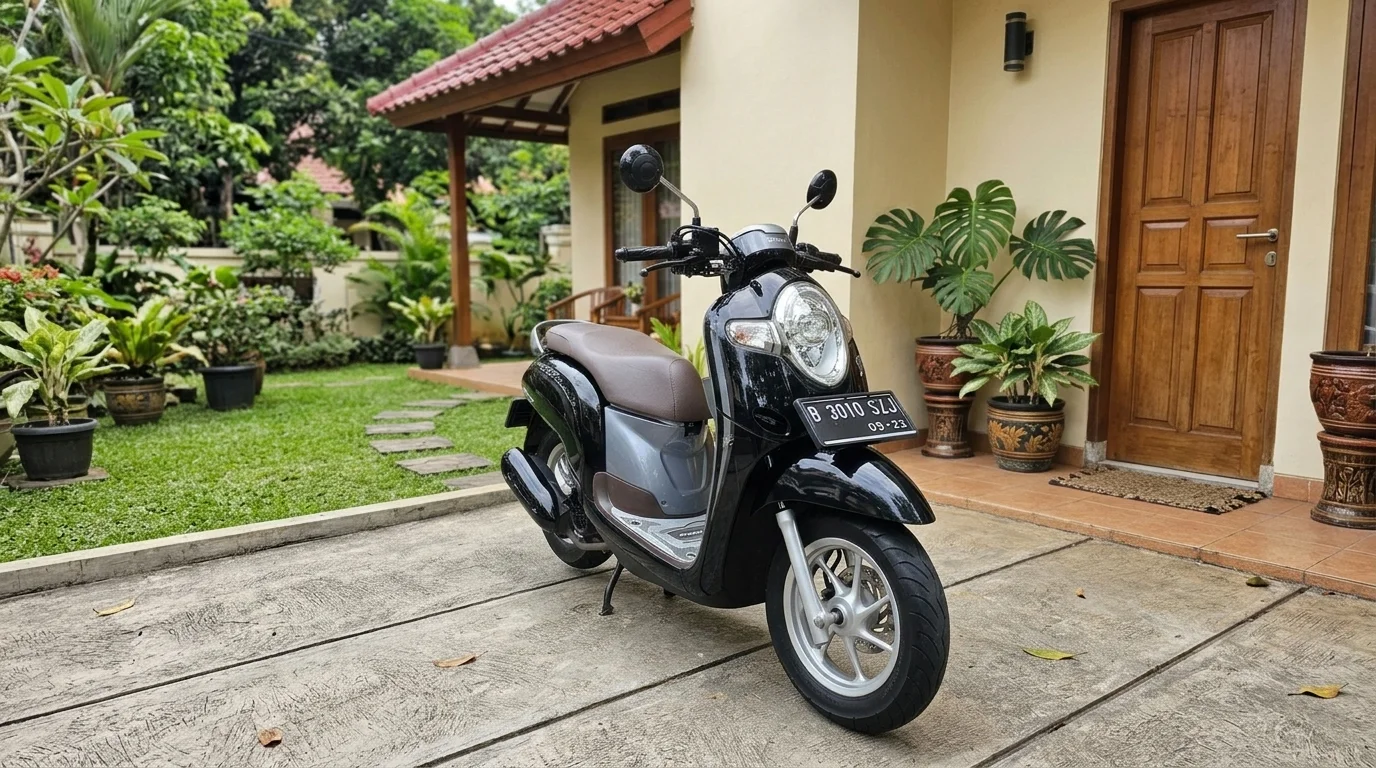
- Fashion and Sporty Trims: These entry-level variants typically range between Rp13 million and Rp18 million.
- Stylish and Prestige Trims: As these variants include the advanced Honda Smart Key System, their resale value remains higher, typically ranging between Rp15 million and Rp20 million.
It is important to note that these figures are reflective of current market trends and can fluctuate based on regional demand and the specific dealer’s pricing policy. Units sourced from auction houses may be available at a lower price point; however, these vehicles often require significant mechanical or cosmetic remediation, which should be factored into the total cost of ownership.
Trim Level Distinctions
The 2020 lineup is categorized into four distinct variants, each catering to different aesthetic and functional preferences:
- Sporty: Emphasizes a bold, high-contrast aesthetic with aggressive graphics. It retains a traditional mechanical ignition key.
- Fashion: Features more vibrant and expressive color palettes, aimed at a style-conscious demographic. Like the Sporty variant, it uses a mechanical key system.
- Stylish: Introduces the Smart Key System, allowing for keyless operation and enhanced security. The aesthetic is more sophisticated, utilizing refined color tones.
- Prestige: Represents the top-tier trim, offering the most premium aesthetic options and the Smart Key System as a standard feature.
The divergence between the mechanical-key variants and the Smart Key-equipped variants is a primary driver of the price gap in the used market. Buyers prioritizing convenience and advanced security features typically opt for the Stylish or Prestige models, whereas those seeking a more budget-friendly, entry-level experience favor the Sporty or Fashion models.
Analytical Overview: The Implications of the eSAF Shift
The introduction of the eSAF frame in late 2020 remains a subject of intense discussion within the automotive community. While the frame was designed to improve mass distribution and fuel efficiency, it also represented a departure from traditional manufacturing methods. For prospective buyers of 2020 units, it is recommended to conduct a thorough physical inspection of the frame.
From an industry perspective, the transition to the eSAF platform signaled Honda’s commitment to mass-producing lighter, more agile urban mobility solutions. The economic implication for the consumer is a scooter that is significantly more fuel-efficient than its predecessors. However, owners should prioritize routine maintenance, particularly concerning the chassis and suspension components, to ensure the long-term integrity of the vehicle.
Guidelines for Procuring a Used Unit
Acquiring a used motorcycle requires a systematic approach to mitigate risks. Prospective buyers should follow these protocols:
- Documentation Verification: Cross-reference the engine and frame numbers with the official vehicle registration documents (BPKB and STNK). Ensure all taxes are paid and the documentation is authentic.
- Mechanical Assessment: Test the cold-start performance of the engine. A healthy unit should idle smoothly without excessive vibration or smoke from the exhaust.
- Chassis Inspection: Examine the frame for signs of rust or deformation, particularly around the mounting points and the floorboard area.
- Electronic System Check: Test all lights, the digital instrument cluster, and, in the case of Stylish or Prestige models, the functionality of the Smart Key System.
- Test Ride: A road test is non-negotiable. Evaluate the transmission smoothness—it should engage without slipping—and the effectiveness of the braking system.
The Role of Official Maintenance Records
One of the most reliable indicators of a vehicle’s future performance is its past maintenance history. Units that have been serviced exclusively at authorized Honda Advanced Network (AHASS) workshops often hold higher market value. Authorized service logs provide a verifiable timeline of oil changes, belt replacements, and firmware updates for the ECU, which are critical for the long-term reliability of the eSP engine.
Conclusion and Market Outlook
The Honda Scoopy 2020 occupies a unique space in the Indonesian motorcycle market. It successfully bridges the gap between retro-inspired styling and modern, fuel-efficient performance. As the model matures, the availability of spare parts and the expertise of local mechanics ensure that the cost of maintenance remains manageable for the average user.
While the market for used motorcycles is inherently volatile, the Honda Scoopy’s reputation for reliability provides a level of price stability that few competitors can match. By conducting due diligence and focusing on the specific trim level and mechanical condition of the unit, buyers can secure a reliable, stylish, and economical transportation solution that remains relevant in the contemporary urban landscape. Prospective buyers are encouraged to compare multiple listings and, if possible, seek an inspection from an independent mechanic to ensure the vehicle meets the necessary safety and operational standards.