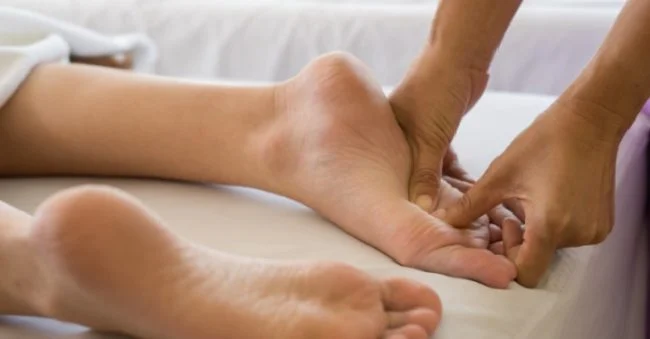
Foot reflexology is a non-invasive, therapeutic practice rooted in ancient healing traditions that focuses on applying specific pressure to distinct points on the feet to promote systemic health. By targeting zones believed to correspond to various organs, glands, and bodily structures, this method serves as an alternative approach to pain management, stress reduction, and overall wellness. As global interest in holistic medicine grows, millions of individuals are turning to self-administered reflexology to manage daily health complaints, ranging from insomnia and muscle fatigue to hormonal imbalances and digestive distress.
Historical Context and Modern Application
The origins of reflexology can be traced back to ancient Egyptian, Chinese, and Ayurvedic civilizations, where foot manipulation was documented as a primary method for balancing the body’s internal energy. While it evolved through centuries of localized practice, it gained significant modern traction in the early 20th century, notably through the work of Dr. William Fitzgerald, who introduced "Zone Therapy" to the Western medical community. Today, the practice is widely integrated into integrative health centers, wellness spas, and home-based self-care routines.
Scientific studies, including those published in the Journal of Nursing and Health Science, have suggested that regular reflexology sessions can lower cortisol levels—the primary stress hormone—and improve sleep latency. By stimulating the parasympathetic nervous system, reflexology encourages the body to transition from a "fight-or-flight" state to a state of rest and repair.
-
Addressing Insomnia and Sleep Architecture
Insomnia affects approximately 30% of the adult population, leading to significant impacts on cognitive function and immune health. Reflexology for sleep focuses on the solar plexus point, located in the center of the foot, which is considered the body’s "powerhouse" for stress relief. By applying firm, rhythmic pressure in a circular motion for three to five minutes, practitioners aim to calm the central nervous system, effectively preparing the body for deeper, uninterrupted sleep cycles. -
Alleviating Muscle Fatigue and Lower Limb Tension
Sedentary lifestyles, prolonged standing, and high-intensity exercise contribute to chronic pedal discomfort. Reflexology targets the arches and the ball of the foot, which are anatomically linked to the musculoskeletal system of the legs and lower back. By focusing on these areas, individuals can improve blood flow and lymphatic drainage, which helps flush out metabolic waste products like lactic acid that accumulate during physical exertion. -
Enhancing Energy Levels Naturally
Rather than relying on stimulants such as caffeine or refined sugars, which can lead to blood glucose spikes and subsequent "crashes," reflexology provides a sustainable method for energy restoration. By stimulating the adrenal gland reflex points located near the inner arch of the foot, practitioners can potentially assist the body in regulating its stress response and sustaining metabolic vitality throughout the day. -
Mitigating Premenstrual Syndrome (PMS) Symptoms
Hormonal fluctuations during the menstrual cycle often cause systemic discomfort. Research into reproductive health suggests that targeting the reflex points for the endocrine system—specifically the big toe, which represents the pituitary gland—may help modulate hormonal balance. Consistent application of pressure to the medial side of the arch, corresponding to the uterus and ovaries, is frequently cited by practitioners as a non-pharmacological way to reduce pelvic cramping and mood irritability.
-
Supporting Immune Response During Respiratory Illness
During the cold and flu season, traditional supportive care is often augmented by reflexology. The reflex points for the sinuses, located on the tips of the toes, and the chest area, located on the ball of the foot, are instrumental in this approach. Gentle pressure on these zones is believed to encourage mucus clearance and improve circulation to the respiratory organs, theoretically aiding the body’s natural defense mechanisms. -
Management of Tension Headaches
Tension headaches are frequently linked to stress and muscular tightness in the neck and shoulders. The cervical spine reflex point, situated on the base of the big toe, is the primary target for headache relief. Applying steady pressure here can trigger a release of muscle tension, which, according to the gate control theory of pain, helps block pain signals from reaching the brain. -
Psychological Well-being: Reducing Anxiety and Depressive Symptoms
The link between the feet and the brain is heavily emphasized in reflexology. The point between the hallux (big toe) and the second toe is often called the "emotional release" point. Clinical observations indicate that consistent manipulation of this area can assist in lowering anxiety markers. While not a replacement for psychiatric treatment, it serves as a valuable complementary tool for emotional regulation. -
Relief for Chronic Back Pain
Back pain remains one of the most common reasons for seeking medical intervention. The inner arch of the foot represents the spine. By applying a technique known as "thumb walking" along the length of the arch, individuals can address spinal alignment stress and muscular tightness, providing localized relief to the lower and middle back regions.
Broader Implications and Safety Considerations
Despite its widespread popularity, medical professionals emphasize that reflexology should be viewed as a complementary, rather than a primary, treatment for serious medical conditions. It is not a substitute for evidence-based clinical diagnostics or pharmaceutical treatments for chronic illnesses.
Safety is paramount when practicing self-reflexology. The most common side effects of improper technique include localized bruising, tenderness, or muscle soreness. More significantly, certain populations must exercise extreme caution. Individuals with the following conditions should consult a primary care physician before beginning any reflexology regimen:
- Deep Vein Thrombosis (DVT) or blood clotting disorders: Aggressive pressure can potentially dislodge a clot.
- Severe diabetes: Peripheral neuropathy can mask pain, making it difficult to gauge the appropriate pressure, increasing the risk of tissue damage.
- Open wounds, infections, or fungal conditions on the feet: These must be treated medically before any manual manipulation.
- Pregnancy: Certain reflexology points are traditionally associated with uterine contractions, and pregnant individuals should seek guidance from a qualified specialist to ensure safety.
Clinical Perspectives and Future Outlook
The medical community maintains a cautious but open perspective on reflexology. While large-scale, double-blind, placebo-controlled trials remain limited, the anecdotal evidence and small-scale studies consistently highlight the role of touch in human health. The primary value lies in the "relaxation response," a physiological state characterized by reduced heart rate, lower blood pressure, and diminished muscle tension.
In a modern, fast-paced society, the ability to perform self-care at home has significant implications for public health. By empowering individuals to manage minor symptoms through non-invasive techniques, the burden on primary healthcare systems may be slightly alleviated. However, the efficacy of the practice is heavily dependent on the user’s understanding of anatomy and their ability to listen to the body’s signals.

In summary, foot reflexology represents a convergence of traditional knowledge and contemporary wellness. By systematically addressing the reflex points, individuals can engage in a proactive approach to their physical and mental health. Whether the goal is to improve sleep quality, manage daily stress, or alleviate localized pain, the practice offers a versatile, accessible, and cost-effective tool for enhancing one’s overall quality of life. As with any wellness protocol, consistency and proper technique are essential for achieving optimal results, while professional medical consultation remains the gold standard for those managing underlying health complexities.
Related posts: