Transitioning Your One-Year-Old to Family Foods: Nutritional Guidelines, Recommended Ingredients, and Foods to Avoid


The transition from purees and soft textures to table foods is a monumental milestone in an infant’s development. As children reach their first birthday, their nutritional needs shift significantly. No longer solely reliant on breast milk or formula—though these still provide valuable immune support and nutrients—one-year-olds are increasingly expected to share meals from the family table. According to pediatric nutrition guidelines, introducing a diverse array of solid foods with varied textures, flavors, and colors is essential for fostering healthy eating habits, supporting rapid physical growth, and preventing nutritional deficiencies. Parents must carefully balance caloric density, allergen introduction, and choking hazards during this crucial developmental window.

Understanding Nutritional Requirements and Texture Progression at Age One
At 12 months of age, toddlers typically require approximately 1,000 calories per day, derived from a balance of macronutrients including carbohydrates, healthy fats, and proteins. Unlike infants under one year, who process food primarily in puréed or mashed forms, one-year-olds possess the oral-motor skills required to manage finger foods, soft chunks, and modified versions of adult meals. Pediatricians emphasize that introducing varied textures—such as contrasting mashed potatoes with roasted wedges—teaches toddlers how to chew, move food around the mouth, and swallow safely.

To ensure balanced nutrition, meals should incorporate the fundamental food groups: vegetables, fruits, whole grains or cereals, protein sources, and dairy. Furthermore, introducing vibrant, colorful arrays of fruits and vegetables—often referred to by nutritionists as eating a "rainbow"—captures a toddler’s visual interest and encourages acceptance of new foods. For example, rather than serving unappealing boiled vegetables, parents can roast vegetables like cauliflower to caramelize natural sugars and enhance flavor profiles.
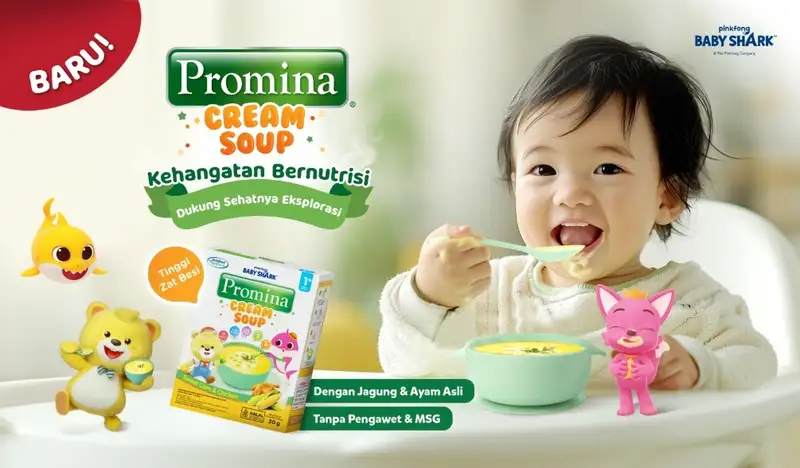
Self-feeding is another critical developmental milestone. Finger foods that are easy to grasp and manipulate promote autonomy and fine motor skills. However, caregivers must remain vigilant about portion sizes and shapes to minimize choking risks. Foods should be cut into small, manageable pieces, avoiding round hazards like whole grapes, cherry tomatoes, or large chunks of meat unless properly quartered or minced.

Recommended Foods for One-Year-Olds
Incorporating nutrient-dense whole foods into a toddler’s daily diet establishes a strong foundation for lifelong health. Experts recommend several key ingredients that offer high nutritional value:

- Poultry and Lean Meats: Chicken is an excellent source of high-quality protein and vitamin B6, which aids in energy metabolism. According to nutritional studies published in journals such as Food & Nutrition Research, incorporating poultry into a balanced diet supports optimal childhood growth. For toddlers who may initially resist the texture of meat, blending chicken with mild vegetables or grains can improve palatability. Similarly, red meat supplies readily absorbable iron, vital for cognitive development and oxygen transport in the bloodstream.
- Whole Grains and Cereals: Grains such as corn and brown rice provide complex carbohydrates that supply sustained energy for active toddlers. Research highlighted in Current Developments in Nutrition indicates that fortified cereal-based foods help mitigate risks of anemia and micronutrient deficiencies. Brown rice offers higher fiber content and essential B-complex vitamins compared to white rice, supporting digestive health and nervous system development.
- Fruits and Vegetables: Bananas, avocados, sweet potatoes, butternut squash, and berries are staples for one-year-olds. Bananas offer quick energy and soluble fiber, while avocados provide heart-healthy monounsaturated fats crucial for brain development. Beta-carotene-rich foods like sweet potatoes, butternut squash, and carrots support visual acuity and immune function. Berries add antioxidants and visual appeal, serving as safe finger foods when cut appropriately.
- Eggs and Dairy: Eggs are nutritional powerhouses, with egg whites supplying complete proteins and yolks delivering zinc, vitamins A, D, E, B12, and choline for brain development. Full-fat yogurt and natural cheeses offer calcium, phosphorus, and probiotics that bolster gastrointestinal and skeletal health. Pediatric guidelines advise against low-fat dairy for this age group, as toddlers require adequate dietary fat for neurological growth.
- Fish: Fatty fish such as salmon and local varieties like mackerel are rich in omega-3 fatty acids, high-quality protein, and vitamin D. These nutrients are essential for cognitive function and visual development, provided the fish is thoroughly cooked and meticulously deboned.
Commercial Dietary Options and Flavor Enhancement
For modern parents balancing busy schedules, commercial complementary foods designed specifically for toddlers can bridge nutritional gaps. Products formulated without artificial preservatives, added sugars, or monosodium glutamate (MSG)—such as specialized cream soups featuring natural ingredients like sweet corn and real chicken—can serve as convenient meal components or healthy snacks. These products are often fortified with essential vitamins, iron, and omega fatty acids, offering a smooth, easily digestible texture that aids toddlers in adapting to savory flavors.

Additionally, natural aromatics like onions and garlic can be finely minced and thoroughly cooked into toddler meals. These ingredients impart natural savory flavors, reducing the need for added sodium while training the infant palate to appreciate complex tastes early in life.

Foods and Textures to Avoid
While expanding a toddler’s palate is encouraged, certain foods pose significant health, choking, or developmental risks and must be strictly avoided during the first year and beyond:

- Raw Vegetables: Hard, uncooked vegetables present a severe choking hazard due to a toddler’s immature chewing mechanics. Furthermore, raw vegetables can be difficult to digest and may contain high levels of naturally occurring nitrates that stress a one-year-old’s developing kidneys.
- Whole Grapes and Large Round Foods: Uncut grapes, cherry tomatoes, and similar spherical items can easily lodge in a toddler’s narrow airway. Even when sliced, the slippery skins of grapes require careful peeling and quartering.
- Canned Fruits: Processed canned fruits often contain high concentrations of added sugars, syrups, and preservatives that burden juvenile kidneys and disrupt metabolic health. Furthermore, commercial canning processes carry a minute risk of bacterial contamination, such as Clostridium botulinum. Fresh, whole fruits remain the superior choice.
- Chocolate and Confectionery: Chocolate contains caffeine and theobromine, stimulants that can adversely affect a toddler’s nervous system, causing restlessness and disrupted sleep patterns. High sugar content also contributes to early childhood caries (tooth decay).
- Gum and Popcorn: Chewing gum poses both a choking risk and a gastrointestinal blockage hazard if swallowed. Popcorn is similarly dangerous; unpopped kernels and sharp corn hulls frequently cause aspiration or throat irritation in young children.
- Low-Fat Milk: Pediatric health organizations caution against substituting whole milk with low-fat or skim milk before the age of two. Toddlers require the caloric density and saturated fats found in whole milk for proper brain myelination and overall physical development.
Broader Implications and Pediatric Expert Consensus
Pediatric nutritionists emphasize that the transition to family foods is not merely a logistical shift in meal preparation, but a critical behavioral window. Establishing structured mealtime routines, offering a variety of textures, and encouraging independent self-feeding help prevent the onset of extreme food selectivity, commonly known as picky eating, later in childhood.

Furthermore, public health bodies continue to stress the importance of monitoring iron status and caloric intake during the second year of life. As growth velocity slows slightly compared to infancy, toddlers may experience fluctuating appetites. Providing nutrient-dense, whole-food options while avoiding ultra-processed items ensures that every bite contributes meaningfully to the child’s neurological, immunological, and physical trajectory. Caregivers are encouraged to consult pediatricians or registered dietitians to tailor dietary plans to individual developmental milestones and potential food sensitivities.