Tension Escalates in West Bank Following Deadly Shooting and Subsequent Israeli Military Operation in Biddu

The security landscape in the occupied West Bank experienced a significant surge in instability on September 21, 2026, following a violent confrontation that resulted in fatalities on both sides. Israeli military forces launched a large-scale raid into the village of Biddu, located northwest of Jerusalem, in the immediate aftermath of a deadly shooting attack that targeted Israeli citizens near a natural spring close to the Neve Tzuf settlement. The incident, which has drawn condemnation from Israeli authorities and praise from Palestinian militant factions, marks a volatile chapter in the ongoing regional conflict, triggering a hardened military response from the Israeli government.
Chronology of the September 21 Escalation
The sequence of events began early Monday when an unidentified gunman opened fire from a moving vehicle at a group of Israelis gathered near a spring in the vicinity of the Neve Tzuf settlement, situated near Ramallah. The ambush was swift and lethal. Medical responders arrived at the scene shortly thereafter, discovering an adult male inside a vehicle suffering from critical gunshot wounds. Despite immediate efforts to stabilize the victim and transport him to a nearby hospital, he was pronounced dead upon arrival.
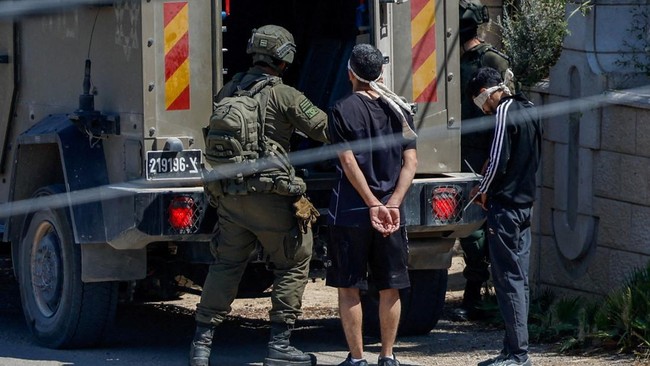
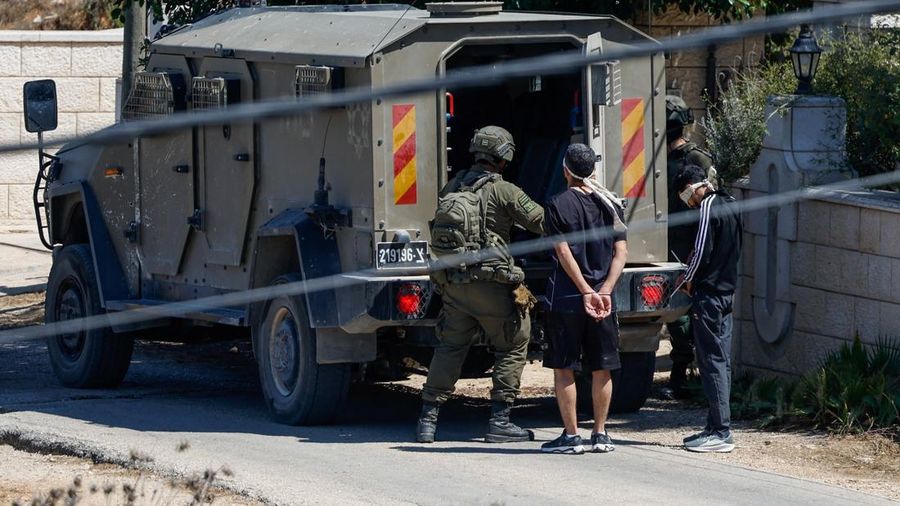
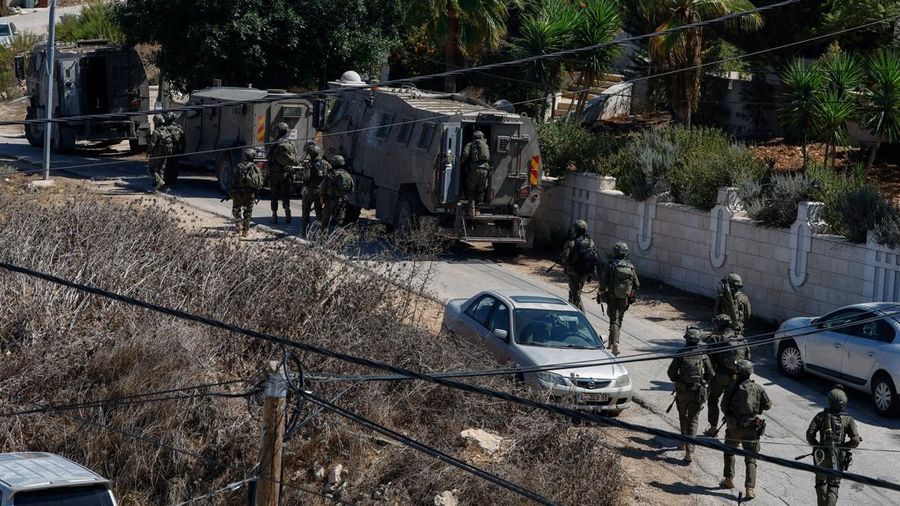
Following the initial attack, Israeli security forces initiated an extensive manhunt across the surrounding areas of the West Bank. The search culminated in a tactical raid on the village of Biddu. During this operation, military units reported a secondary violent encounter: a Palestinian driver allegedly attempted to ram his vehicle into a group of soldiers. The military responded with lethal force, resulting in the death of the driver.
By the end of the day, authorities confirmed that the primary suspect in the initial shooting had been tracked to a hospital in Ramallah, where he was apprehended by security services. The rapid transition from a targeted attack to a comprehensive, multi-layered military response highlights the fragile nature of security in the West Bank.
Contextualizing the West Bank Security Environment
The village of Biddu and the wider Ramallah governorate have historically served as friction points in the Israeli-Palestinian conflict. The West Bank, occupied by Israel since the 1967 Six-Day War, remains a territory governed by a complex administrative and security arrangement under the Oslo Accords. The area where the attack occurred, near the Neve Tzuf settlement, is a region where the proximity of Israeli civilian infrastructure to Palestinian population centers frequently leads to friction.
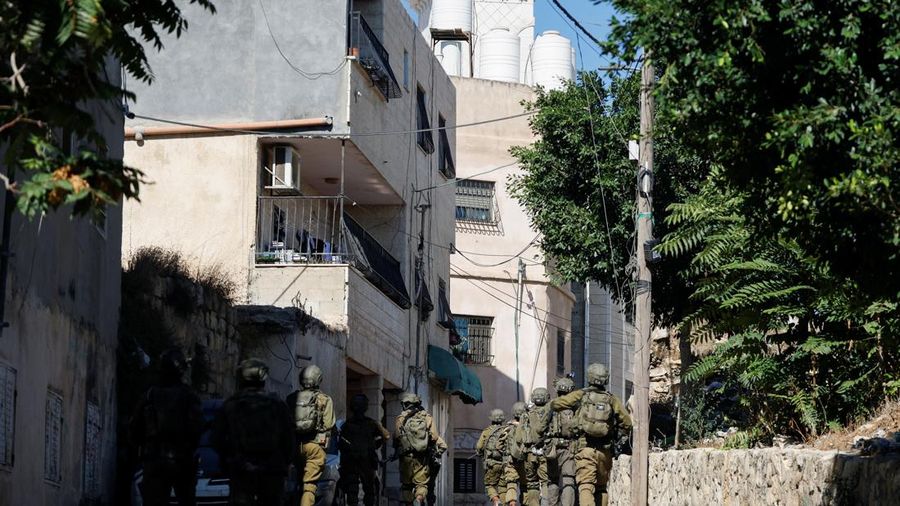
Since the beginning of 2026, the region has witnessed a steady uptick in "lone-wolf" style attacks and organized militant activity. According to data from independent security observers, this year has seen a marked increase in the frequency of raids conducted by the Israel Defense Forces (IDF) aimed at dismantling militant cells in cities like Jenin, Nablus, and Ramallah. The military’s "break the wave" strategy—a policy of preemptive, offensive operations—has been the primary driver of these incursions, which the government argues are necessary to prevent further casualties among Israeli civilians.
Official Responses and Strategic Shifts
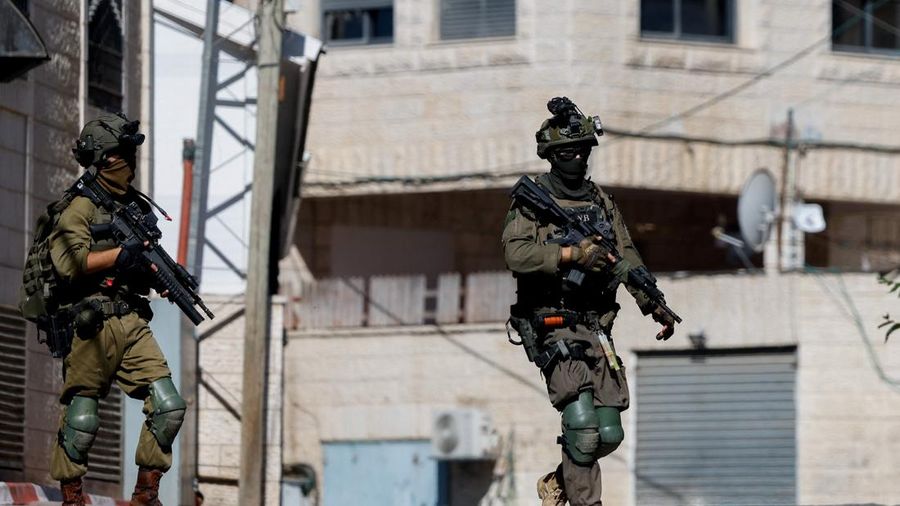
The immediate reaction from the Israeli political establishment was one of resolve. Prime Minister Benjamin Netanyahu issued a direct statement following the conclusion of the security cabinet meeting, confirming that he had ordered the security establishment to significantly bolster troop presence throughout the West Bank.
"We will not allow terror to dictate our security reality," the Prime Minister stated. He further emphasized that the military would continue to carry out aggressive, proactive operations to identify and neutralize threats before they manifest. The directive includes not only increased patrols but also a surge in intelligence-gathering operations and targeted arrests of suspected affiliates of known militant groups.
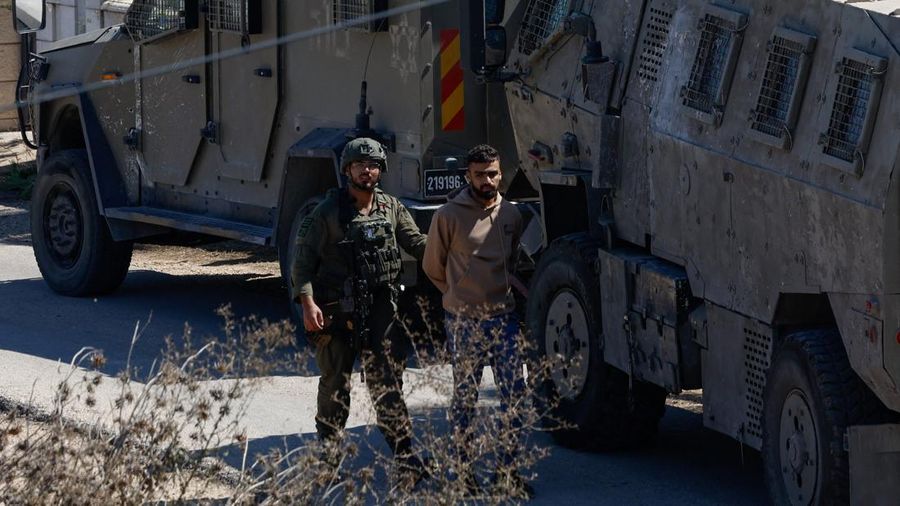
Conversely, the atmosphere in Palestinian territories, particularly in the aftermath of the death of the driver in Biddu, has been characterized by heightened anger and calls for resistance. The Hamas militant organization, which governs the Gaza Strip but maintains an extensive underground network in the West Bank, issued a statement praising the "heroic operation" carried out near the settlement. While the group did not formally claim responsibility for the specific shooting, the endorsement of such tactics underscores the ideological alignment between local actors and the broader militant leadership.
Data and Trends: A Rising Tide of Violence
The events in Biddu are not isolated incidents but rather reflective of a broader trend of escalation. Comparative data from the first three quarters of 2026 indicates a 22% increase in shooting attacks against Israeli targets in the West Bank compared to the same period in 2025. Military operations, including search-and-seizure raids and nighttime arrests, have similarly intensified.
Analysts note that the socioeconomic environment in the West Bank is also contributing to the volatility. With the stagnation of the political peace process, a lack of economic mobility, and the increasing visibility of settlement expansion, the younger generation of Palestinians is becoming increasingly disillusioned with the existing status quo. This disillusionment, according to sociopolitical researchers, provides a fertile ground for recruitment by militant factions, even those operating independently of the Palestinian Authority’s security apparatus.
Broader Implications and Regional Stability
The implications of the September 21 incident extend beyond the immediate loss of life. First, the escalation places significant pressure on the Palestinian Authority (PA). As the body responsible for civil administration and security coordination in parts of the West Bank, the PA finds itself in an increasingly untenable position. It is viewed by many Palestinians as failing to protect them from Israeli military incursions, while simultaneously being pressured by Israel and international partners to clamp down on militant activity.
Second, the incident risks triggering a cycle of retaliation. When the IDF carries out raids in villages like Biddu, it often results in local clashes, leading to further casualties and fueling cycles of mourning and anger that inevitably lead to more violence. This "vicious cycle," as described by humanitarian aid organizations, threatens to destabilize the region further as the year draws to a close.
Third, the international community, particularly the United States and European Union, remains concerned about the erosion of the two-state solution framework. Diplomatic efforts to de-escalate have largely struggled to gain traction as both the Israeli government’s security focus and the militant groups’ resistance strategies have hardened into rigid, mutually exclusive positions.
Analysis: The Limits of Military Deterrence
From a strategic perspective, the reliance on military raids as a tool of deterrence is being scrutinized. While the Israeli government maintains that such operations are essential to saving lives, some military analysts argue that the strategy addresses the symptoms of the conflict rather than the root causes. By conducting frequent raids in densely populated areas, the military inadvertently creates more targets for radicalization.
The apprehension of the shooter in a Ramallah hospital demonstrates the efficacy of Israel’s intelligence network, but the fact that the shooter was able to conduct the attack in the first place highlights significant gaps in the security perimeter. The challenge for the coming months will be whether the security establishment can refine its operations to reduce civilian casualties while maintaining its ability to intercept imminent threats.
Looking Ahead
As the situation in the West Bank remains fluid, international observers are calling for restraint on all sides. However, with the Israeli government signaling a commitment to intensified "offensive activity," the likelihood of a cooling-off period appears slim. The residents of villages like Biddu remain in the crosshairs of a conflict that shows little sign of abating.
The coming days will likely be defined by how the security forces manage the fallout from this latest operation and whether the Palestinian leadership can—or will—take steps to curb the surge in violence. For now, the region braces for further uncertainty, with the specter of continued conflict casting a long shadow over the future of the West Bank. The events of September 21 stand as a somber reminder of the fragility of peace in a territory defined by deep-seated historical grievances and an increasingly militarized approach to the ongoing conflict.