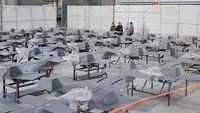
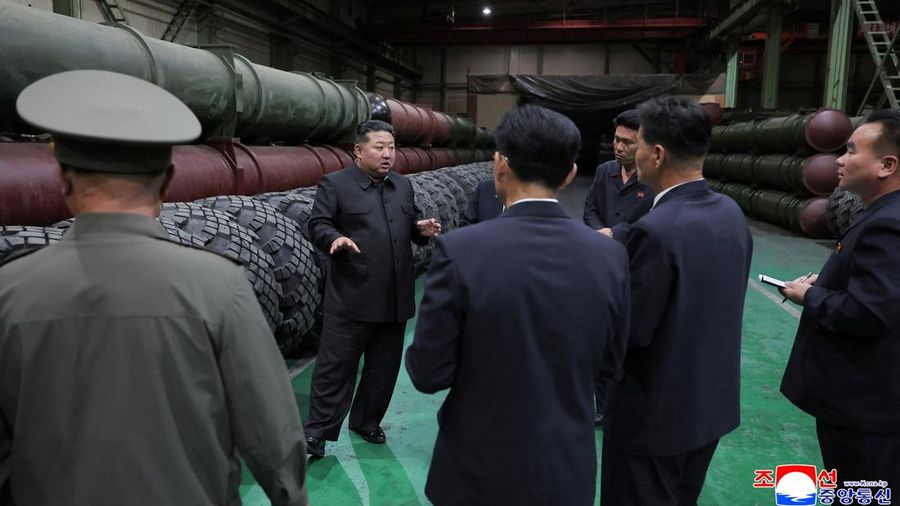
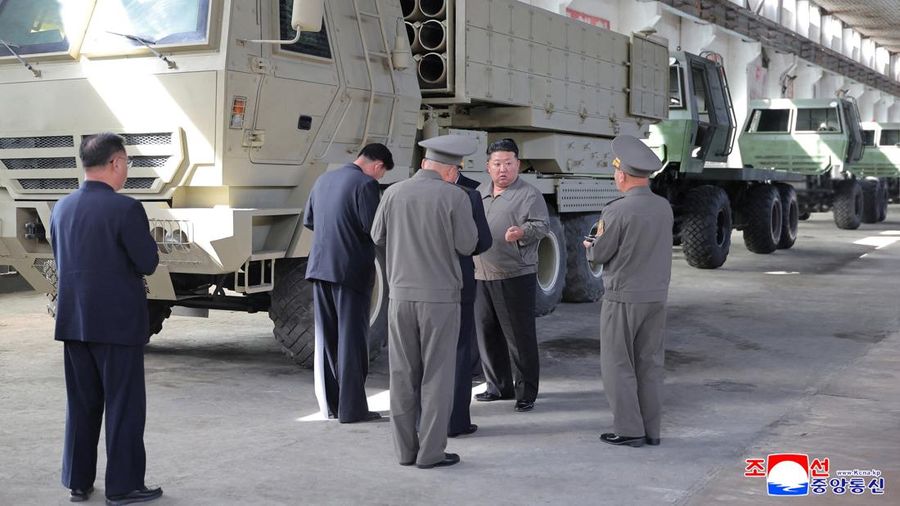
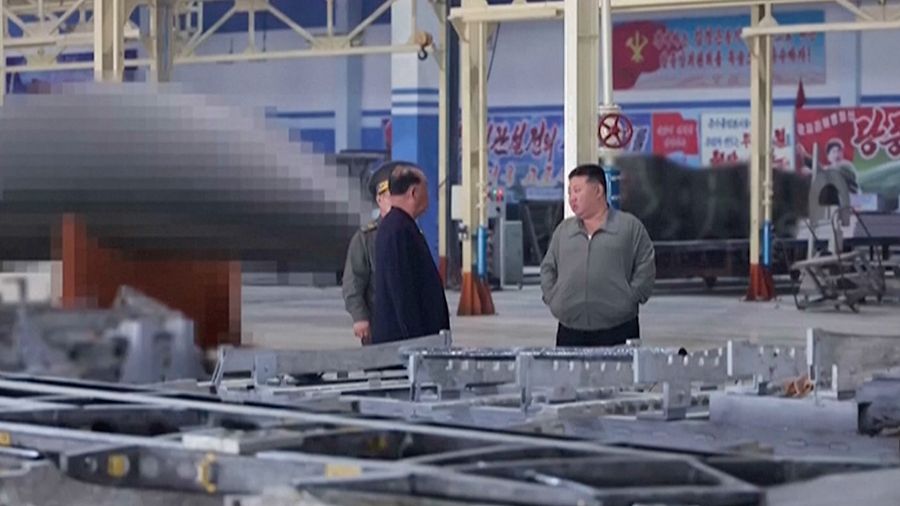
North Korean leader Kim Jong Un has conducted a series of high-level inspections at major munitions factories, signaling an aggressive push toward the modernization and expansion of the country’s defense industrial base. The visit, reported by state media outlet Korean Central News Agency (KCNA) on September 20, 2026, underscored Pyongyang’s intent to integrate advanced technologies—specifically artificial intelligence—into its domestic weapons manufacturing processes. Accompanied by senior party officials, military leaders, and key figures from the defense industry, Kim assessed the progress of ongoing production projects and praised the workforce for meeting demanding military production targets.
The Strategic Shift Toward Modernization
The inspection highlights a pivotal shift in North Korea’s military posture. While the country has long relied on conventional artillery and traditional ballistic missile capabilities, the recent directives from Kim Jong Un suggest a pivot toward "smart" weaponry. During the tour of these key defense enterprises, Kim emphasized that the integration of artificial intelligence into both offensive and defensive weapon systems is now a top-tier priority.
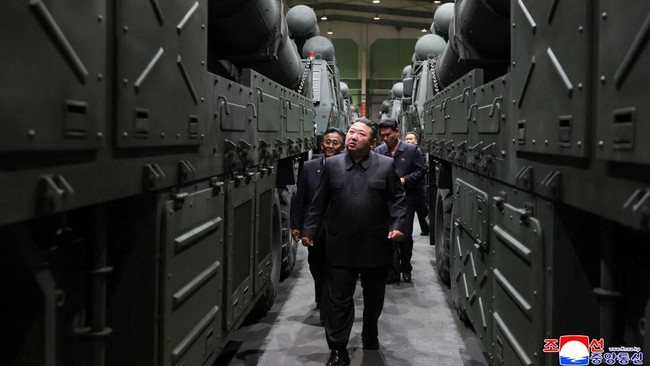
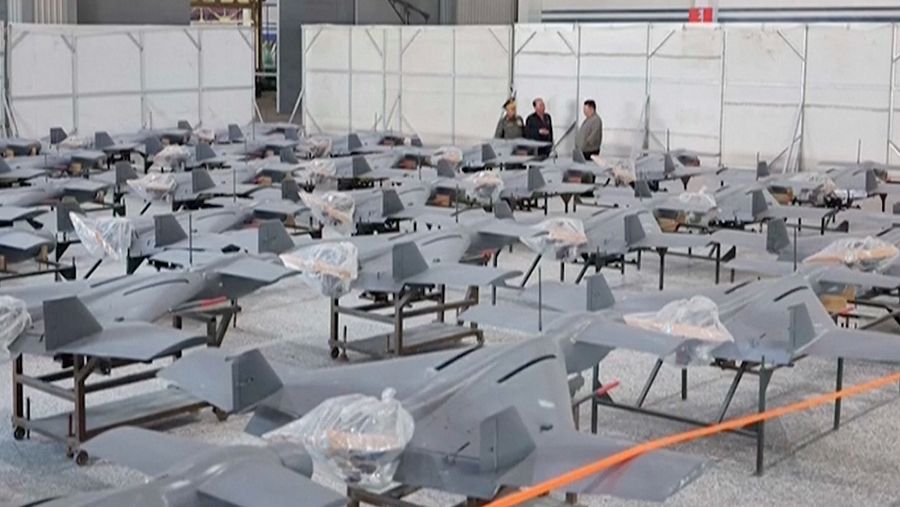
For decades, the Korean People’s Army (KPA) has maintained one of the world’s largest standing militaries, relying heavily on sheer volume of artillery. However, the latest state media reports suggest a qualitative upgrade. Kim described the ongoing modernization of defense components as a move that brings "significant changes" to the composition and operational capabilities of the North Korean armed forces. The focus on drone technology, specifically, marks an attempt to modernize the KPA’s tactical reconnaissance and precision-strike capabilities, bringing them more in line with contemporary global warfare trends witnessed in recent regional conflicts.
Context and Chronology of Defense Development
The roots of this current modernization drive can be traced back to the Eighth Congress of the Workers’ Party of Korea held in early 2021, where Kim Jong Un unveiled a comprehensive plan to strengthen national defense. Since then, the state has consistently prioritized the development of tactical nuclear weapons, hypersonic missiles, and reconnaissance satellites.
The timeline of recent advancements is marked by:
- Early 2021: Adoption of the five-year plan for the development of defense science and weapon systems.
- 2023-2024: Increased frequency of ballistic missile tests and the successful launch of military reconnaissance satellites.
- Mid-2025: Initial reports of "industrial intelligence" integration, where North Korean engineers began experimenting with automated assembly lines.
- September 2026: The current inspection confirms the shift from experimental testing to mass production of AI-enhanced systems and next-generation drones.
Kim’s emphasis on artillery during this visit is particularly noteworthy. He noted that artillery remains a fundamental pillar of "war deterrence" and battlefield capability. By ordering the expansion of the munitions industry, the leadership is signaling that despite the push for high-tech systems, the regime still views mass-produced conventional firepower as a crucial deterrent against perceived threats from the United States and South Korea.
Analyzing the Impact of AI and Drone Integration
The move to incorporate artificial intelligence into the defense sector is a strategic maneuver designed to circumvent the limitations of the country’s aging industrial machinery. Analysts suggest that by utilizing AI for design optimization, quality control, and autonomous flight paths for drones, North Korea aims to achieve a level of precision that its older, hardware-reliant systems lacked.
Furthermore, the emphasis on improving factory working conditions and production efficiency reflects a broader, state-led effort to revitalize the internal economy through the defense sector. By treating the defense industry as the engine of technological progress, the regime hopes to foster innovation that can eventually trickle down into other industrial sectors, although international sanctions continue to pose a significant barrier to the procurement of high-end, dual-use components like advanced microprocessors.
International Reactions and Geopolitical Implications
The international community, particularly the United States, South Korea, and Japan, has expressed ongoing concern regarding North Korea’s accelerated weapon production. The United Nations Security Council (UNSC) has repeatedly passed resolutions prohibiting North Korea from developing ballistic missile technology and certain conventional weapons. However, Pyongyang has largely ignored these mandates, citing its sovereign right to self-defense.
In Seoul, the Ministry of Unification and the Ministry of National Defense have closely monitored these developments. South Korean intelligence reports suggest that the collaboration between North Korea’s defense industry and external partners—often speculated to include Russia—has provided Pyongyang with a technological lifeline. This cooperation is believed to have accelerated the development of drone swarms and precision guidance systems, which could significantly alter the military balance on the Korean Peninsula.
Observers note that the timing of these inspections often serves two purposes: internal signaling and external posturing. Domestically, the images of a "hands-on" leader help maintain domestic legitimacy and morale during times of economic strain. Externally, the displays of sophisticated manufacturing capabilities are intended to demonstrate that the North Korean state is resilient and capable of sustaining a long-term military buildup despite the "maximum pressure" campaign enforced by the international community.
Economic Constraints vs. Military Ambition
While the rhetoric from Pyongyang is confident, analysts caution that the transition to an AI-driven, high-tech military industry is fraught with challenges. The North Korean economy remains heavily constrained by sanctions, which limit the ability to import the rare earth elements, high-grade semiconductors, and specialized materials required for modern AI-integrated hardware.
The question remains: to what extent can North Korea indigenousize these technologies? The current strategy appears to rely on a combination of clandestine procurement, localized adaptation of older technologies, and a massive mobilization of human capital within the defense-industrial complex. The "significant changes" touted by state media are likely to be realized in stages, starting with tactical drones and moving toward more complex, networked battlefield systems.
Looking Ahead: The Future of the KPA
As North Korea continues its path of modernization, the international focus will likely sharpen on the effectiveness of these new weapons. If Pyongyang successfully achieves its goals in drone warfare and AI-assisted artillery, it will gain a significant tactical advantage, particularly in short-range, rapid-response scenarios.
The integration of artificial intelligence is the next frontier in the global arms race, and by prioritizing this, Kim Jong Un is attempting to ensure that the Korean People’s Army remains a formidable force in the 21st century. Whether this strategy will lead to a more stable or a more volatile security environment in East Asia is the subject of intense debate among regional security experts.
What is certain is that the defense industrial base has become the primary theater for North Korea’s national development goals. The recent site visits by the leadership are not mere photo opportunities; they are a clear directive to the military-industrial complex that the era of relying solely on cold-war era munitions is ending, and the era of digitized, automated, and AI-enabled warfare has begun in earnest. The world, particularly neighboring nations, will continue to watch these developments with extreme caution as the technological threshold for conflict on the peninsula continues to rise.