Goa Lowo Trenggalek Menjelajahi Keajaiban Geologi Terbesar dan Terpanjang di Asia Tenggara

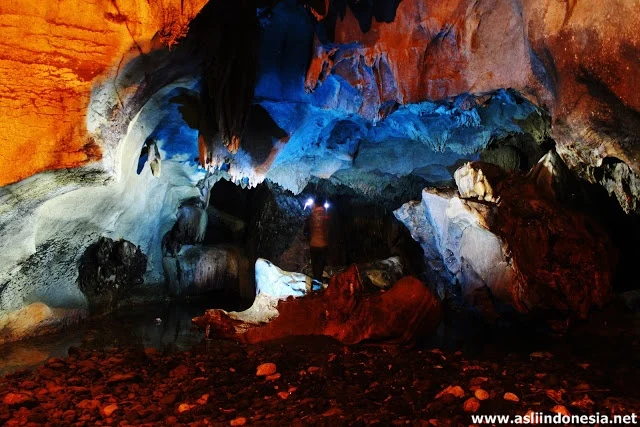
Deep within the rugged landscape of the Watuagung Village in the Watulimo District of Trenggalek, East Java, lies a geological marvel that has captured the attention of both the scientific community and the tourism sector for decades. Known locally as Goa Lowo, or "Bat Cave," this subterranean wonder is widely recognized as one of the most expansive and longest cave systems in Southeast Asia. Since its formal inauguration as a public tourist destination in 1984, the site has evolved from a mysterious cavern into a cornerstone of regional tourism, offering visitors an unparalleled glimpse into the natural history of the Indonesian archipelago.
A Chronology of Discovery and Development
The history of Goa Lowo dates back to its official documentation in 1931. While local residents were undoubtedly aware of the cave’s existence for generations, the early 20th-century surveys marked the beginning of its integration into the broader geographical records of the region. For over half a century, the cave remained largely a subject of local lore and geological study, existing in a pristine, untouched state.
The pivotal moment for the site arrived in 1984 when the local government of Trenggalek officially designated it as a protected tourist attraction. This decision initiated a series of infrastructure improvements aimed at making the cave accessible to the general public. Over the subsequent decades, the site has undergone multiple phases of renovation, including the installation of pedestrian pathways, lighting systems to accentuate the cavernous interior, and safety protocols to ensure the preservation of the delicate geological structures within.
Geological Significance and Natural Architecture
Goa Lowo is not merely a tourist attraction; it is a profound natural laboratory. Spanning a documented total length of approximately 2 kilometers, the cave system is a testament to the slow, rhythmic forces of hydrology and geology. Currently, only about 850 meters of the total expanse are open for public exploration. The remaining section of the cave remains largely inaccessible to casual tourists, as it requires specialized equipment and expertise to navigate through an active underground river system.
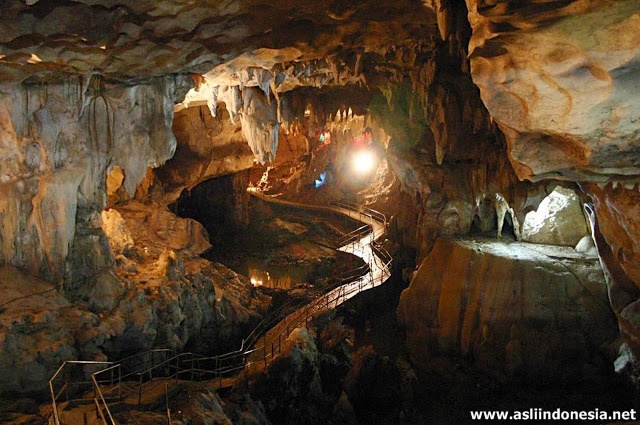
The interior of the cave is defined by an impressive array of speleothems—mineral deposits formed over millennia. The stalactites hanging from the ceiling and the stalagmites rising from the floor are described by geologists as "active," meaning they continue to grow as mineral-rich water drips through the limestone layers. This ongoing process highlights the ecological importance of the cave, as the growth of these formations is highly sensitive to the environmental conditions within the cavern.
Visitors are frequently drawn to the unique pareidolia present throughout the cave’s formations. Centuries of water erosion and mineral deposition have sculpted the rock into shapes that mirror recognizable forms. Upon entry, guests are greeted by a massive rock formation that bears a striking resemblance to a turtle. Further exploration reveals clusters of rock that locals have identified as lions, traditional cages, the Tugu Buceng (a traditional Javanese offering cone), and formations that mimic human anatomy, such as a pair of legs. These natural sculptures provide a narrative quality to the tour, bridging the gap between scientific geology and cultural imagination.
Tourism Infrastructure and Economic Impact
The management of Goa Lowo reflects a commitment to balancing commercial tourism with conservation. The site operates on a tiered pricing model designed to sustain the maintenance of the facilities. As of recent updates, the entrance fee is set at IDR 20,000 for weekdays, increasing to IDR 25,000 for weekends and public holidays. The inclusion of children aged three and older in the full-price category is a standard practice aimed at funding the specialized maintenance required for such a high-traffic natural site.
The economic implications for the Watuagung village and the broader Trenggalek regency are significant. As one of the primary attractions in the area, the cave draws thousands of visitors annually, acting as a catalyst for local businesses, including food vendors, artisanal craft stalls, and hospitality services. The growth of tourism in this sector has encouraged the local government to prioritize infrastructure development, particularly in transportation, to ensure that the site remains competitive as a regional destination.
Accessibility and Logistics
Navigating to Goa Lowo requires traversing the varied terrain of the Trenggalek regency. There are three primary routes available to travelers, each offering a different perspective of the East Javanese landscape. The most efficient path is via the Bandung-Prigi highway, a 35-kilometer stretch that typically takes about 57 minutes to navigate by vehicle. Other routes, such as those passing through the Boyolangu or the Kimangun Sakoro areas, offer slightly longer travel times of up to 37 kilometers.

For travelers departing from the heart of the Trenggalek city center, the journey involves traveling south toward the Dongko-Kampak road, followed by the Kampak-Watulimo road, and finally joining the Bandung-Prigi highway. While the roads are generally paved and well-maintained, the topography of the region necessitates caution. Drivers should be prepared for winding roads, significant elevation changes, and varying road widths. These conditions are characteristic of the mountainous terrain surrounding the cave, serving as a reminder that the site is nestled deep within a protected ecological zone.
Conservation and Future Perspectives
The sustainability of Goa Lowo remains a primary concern for local authorities and conservationists. As an active cave system, the environment inside is incredibly fragile. The introduction of artificial lighting and human traffic can alter the micro-climate of the cave, potentially affecting the rate of speleothem growth and the health of the local bat population—the very inhabitants that gave the cave its name.
The local government has increasingly focused on sustainable tourism practices, including restricted access to deeper, unexplored chambers. This strategy serves a dual purpose: protecting the integrity of the underground ecosystem and ensuring the safety of visitors, who are not equipped for the hazards of the deeper, water-logged sections of the cave. Scientific monitoring of the cave’s atmosphere and water quality is periodically conducted to ensure that tourism levels do not exceed the carrying capacity of the site.
The broader implications of maintaining Goa Lowo as a successful tourist destination extend beyond immediate revenue. It serves as an educational resource for students and researchers interested in karst topography. By exposing the public to the slow-motion transformation of the earth, the site fosters an appreciation for natural heritage that is often overlooked in the rush of modern life.
Conclusion
Goa Lowo stands as a pillar of the natural heritage of Trenggalek. It is a site where history, geology, and local economy converge. While its physical dimensions—2 kilometers in length and vast, cathedral-like chambers—are what capture the headlines, the true value of the cave lies in its longevity and the continuous, silent work of nature that occurs within its walls. As the region continues to develop its tourism sector, the stewardship of Goa Lowo will serve as a critical benchmark for how Indonesia manages its vast, subterranean treasures in the face of modern demand. Whether for the casual traveler seeking a unique weekend excursion or the enthusiast of geological phenomena, the cave remains a profound witness to the passage of time.
Related posts: