Tracing the Colonial Footprints: Five Historic Hotels in Indonesia That Continue to Define Modern Hospitality

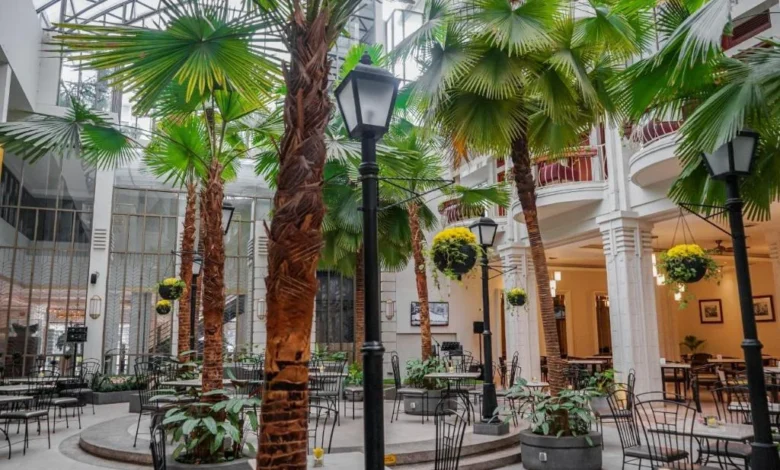
The evolution of Indonesia’s tourism industry is inextricably linked to the colonial architecture and infrastructure developed during the era of the Dutch East Indies. Following the opening of the Suez Canal in 1869, maritime trade routes between Europe and the Indonesian archipelago expanded rapidly, transforming the region into an increasingly accessible destination for international travelers. By the late 19th century, commercial steamships began ferrying European tourists—predominantly affluent Westerners—to major ports across the islands. To accommodate this nascent wave of global mobility, the colonial administration and private investors initiated the construction of high-end lodging facilities across Java and Bali.
While many colonial-era structures have since been demolished or repurposed for administrative functions, a select group of historic hotels has managed to survive the turbulent transitions of the 20th century. Having witnessed the Japanese occupation, the Indonesian National Revolution, and the subsequent modernization of the nation, these properties remain fully operational today. Blending centuries-old heritage with contemporary luxury, these five historic hotels offer a tangible window into Indonesia’s complex socio-political history and the foundational era of its hospitality sector.
Hotel Indonesia Kempinski Jakarta: The Birth of Modern Indonesian Luxury
Standing prominently in the heart of the capital, Hotel Indonesia Kempinski holds the distinction of being Indonesia’s first five-star luxury hotel and one of the earliest high-rise structures in Jakarta. The genesis of the hotel is deeply tied to the nation’s post-independence nation-building agenda under President Sukarno. Conceptualized in the late 1950s, the construction project was funded utilizing war reparations provided by the Japanese government following World War II.
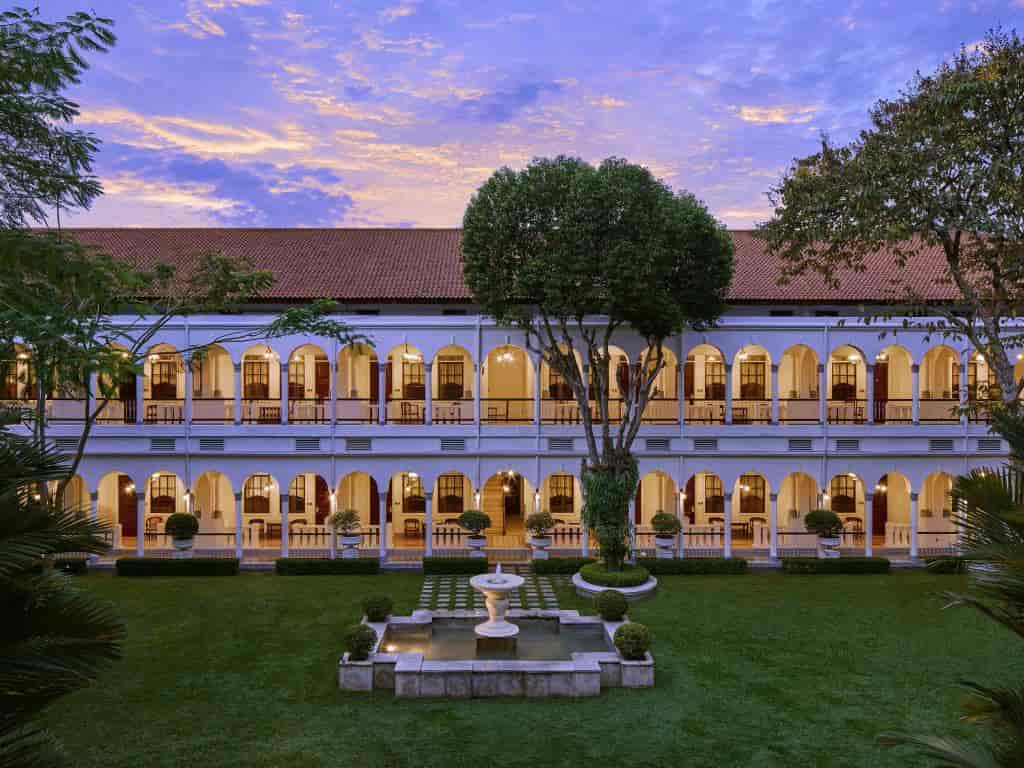
The hotel was officially inaugurated on August 5, 1962, by President Sukarno, just in time to serve as the primary athletes’ village and hosting venue for the IV Asian Games. Sukarno envisioned the property as a modern architectural statement that would showcase a sovereign Indonesia to the international community. Decades later, the property continues to host global dignitaries. In March 2020, King Willem-Alexander and Queen Máxima of the Netherlands stayed at the hotel during their historic state visit to Indonesia, residing in its most secure suites equipped with bulletproof glass. Rates for guests seeking to experience this blend of modern luxury and historical prestige generally start at approximately Rp 2.98 million per night, subject to seasonal fluctuations.
Hotel Majapahit Surabaya: A Monument to National Resilience
Located in East Java, Hotel Majapahit Surabaya occupies a pivotal place in Indonesian military history. Originally established in 1910 by the Sarkies Brothers—renowned hoteliers of Armenian descent who also founded Singapore’s Raffles Hotel—the property initially operated under the name Hotel Oranje during the Dutch colonial administration.
During the Japanese occupation of Indonesia (1942–1945), the property was commandeered and renamed Hotel Yamato. Following Japan’s surrender and the proclamation of Indonesian independence in August 1945, the hotel became the epicenter of one of the most inflammatory incidents of the Indonesian National Revolution. On September 19, 1945, a tense standoff occurred after Dutch colonial loyalists raised the Dutch tricolor flag (red, white, and blue) atop the hotel roof, defying the newly declared Indonesian republic. Enraged by the provocation, Indonesian nationalist youths stormed the building. Led by figures such as Hariyono and Koesno Woedojo, the crowd climbed the roof and tore away the blue strip from the flag, transforming it into the red-and-white Indonesian national banner.
This historic event, known as the "Incident of the Hotel Yamato" (Insiden Hotel Yamato), catalyzed the broader Battle of Surabaya on November 10, 1945. Today, the hotel operates under the Accor umbrella as Hotel Majapahit Surabaya, preserving its colonial art nouveau and art deco architecture while offering modern accommodations starting from approximately Rp 985,125 per night.
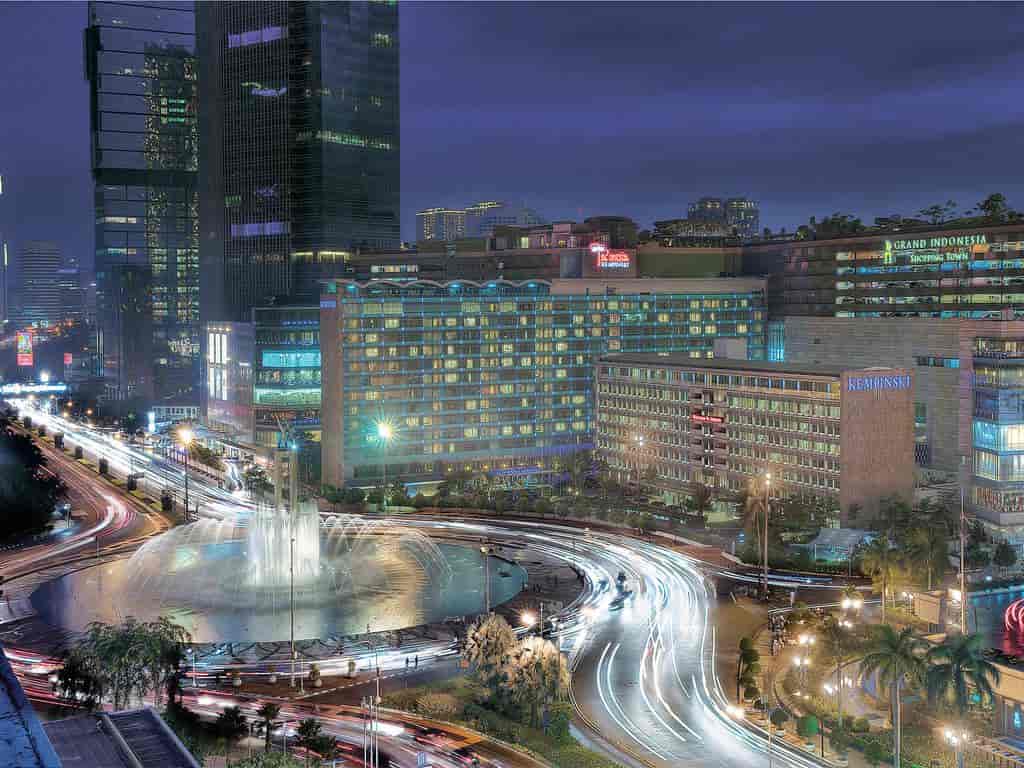
Royal Ambarrukmo Yogyakarta: Preserving Royal Javanese Heritage
Situated along Jalan Laksda Adisucipto in Yogyakarta, the Royal Ambarukmo represents a unique fusion of colonial-era hospitality and traditional Javanese royalty. The history of the site dates back centuries as part of the Ambarrukmo royal compound, which served as a residence and administrative retreat for successive Sultans of Yogyakarta, notably commissioned in its current palace form by Sultan Hamengku Buwono VII.
In the post-independence era, President Sukarno spearheaded an initiative to develop international-standard tourism infrastructure across the newly formed republic. In 1966, the Ambarrukmo palace grounds were transformed into a modern luxury hotel, designated as one of the four pioneering state-backed international hotels in Indonesia, alongside Hotel Indonesia in Jakarta, Samudra Beach Hotel in Pelabuhan Ratu, and Inna Grand Bali Beach in Sanur.
The integration of the original 19th-century royal archaeological structures—including the Loji (colonial-style administrative building) and the Bale Kambang (floating pavilion)—within the contemporary hotel complex grants guests access to authentic Javanese cultural heritage. Currently managed as a five-star property offering amenities such as landscaped gardens, spa services, and proximity to major cultural landmarks, room rates at the Royal Ambarukmo start at approximately Rp 911,250 per night.
Hotel Savoy Homann Bandung: An Art Deco Icon of the Parahyangan
Positioned prominently on Jalan Asia-Afrika in Bandung, West Java, Hotel Savoy Homann stands as a masterpiece of Dutch colonial architecture and a cornerstone of the city’s identity as the "Paris of Java." The lodging’s origins trace back to the 1870s, when a German immigrant family, the Homanns, established a modest bamboo-and-wood guesthouse. The property quickly gained renown among colonial plantation owners (Preanger planters) for its upscale hospitality and the legendary rijsttafel banquets prepared by Mrs. Homann.
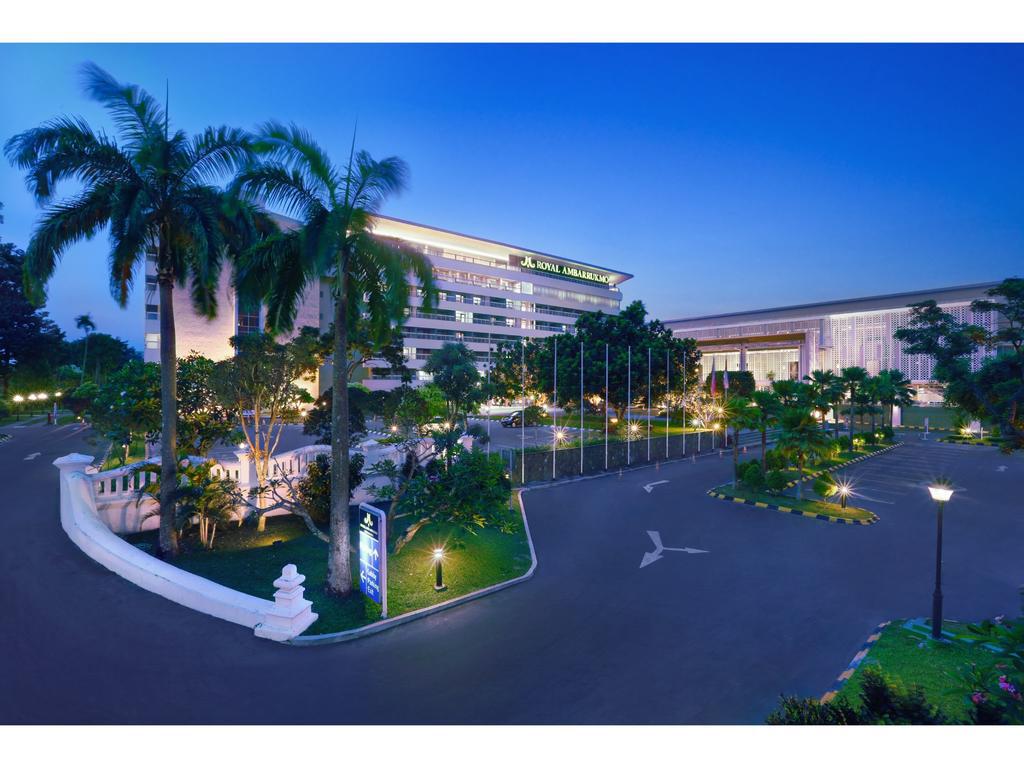
As Bandung emerged as a premier European leisure and administrative hub, the original structure was repeatedly expanded. In 1939, the Dutch architect Albert Aalbers was commissioned to redesign the hotel entirely. Aalbers applied a distinctive "Streamline Moderne" Art Deco style, characterized by sweeping, wave-like curves that mirrored the motion of ocean liners—a design philosophy meant to evoke modern mobility and luxury. Renamed Savoy Homann in 1940 to reflect its elevated status, the hotel hosted numerous international luminaries, most notably the legendary silent film actor Charlie Chaplin, who stayed at the property during his travels to Java in the 1930s. Furthermore, during the historic Asia-Afrika Conference in 1955, the hotel served as a primary residence for visiting international delegates and heads of state. Modern travelers can experience this architectural landmark with rates starting from approximately Rp 390,880 per night.
Inna Bali Heritage Hotel: Pioneering Hospitality on the Island of the Gods
As the first luxury accommodation established on the island of Bali, the Inna Bali Heritage Hotel marked the beginning of modern tourism in a region previously known to Westerners primarily through ethnographic accounts and colonial expeditions. Opened on August 22, 1927, in Denpasar, the hotel was constructed to accommodate the growing influx of foreign travelers arriving via the steamships of the Royal Packet Navigation Company (Koninklijke Paketvaart-Maatschappij or KPM).
Operated during the Dutch colonial period as the Bali Hotel, the property was designed to blend European comforts with traditional Balinese architectural motifs, setting a precedent for subsequent resort developments across the island. Throughout the decades of the mid-20th century, the hotel served as a social and administrative hub for visiting artists, anthropologists, and diplomats seeking to document Balinese culture. Despite the rapid commercialization and development of modern mega-resorts in areas such as Kuta, Seminyak, and Nusa Dua, the Inna Bali Heritage Hotel remains operational in Denpasar, offering budget-friendly heritage accommodations with rates starting from approximately Rp 270,000 per night.
Economic and Cultural Implications
The continued operation of these historic hotels carries significant implications for Indonesia’s contemporary tourism and cultural preservation sectors. From an economic perspective, these properties serve as high-yield assets that attract niche demographics interested in heritage tourism, architectural history, and post-colonial studies. By maintaining their historical facades while upgrading their interior infrastructure to meet modern international hospitality standards, these hotels demonstrate that historical preservation can be commercially viable without sacrificing cultural integrity.
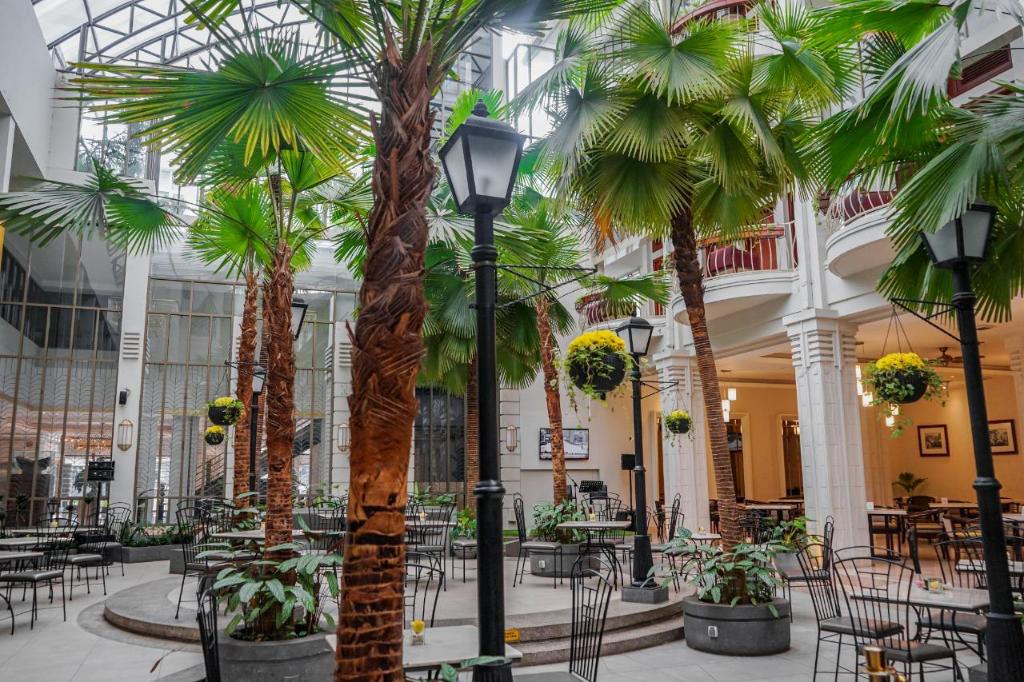
From a sociological standpoint, these institutions function as physical archives. They stand as enduring reminders of the socio-political transformations that shaped modern Indonesia—from the exploitative trade systems of the colonial era and the disruptions of the Pacific War to the fierce nationalist assertions of independence and the developmentalist policies of the early republic. As tourism markets increasingly demand authentic, place-based experiences, these five properties offer a vital bridge connecting Indonesia’s colonial past with its dynamic, globalized present.