Hotel Salak The Heritage Bogor: A Century-Old Dutch Colonial Landmark Balancing Historic Legacy and Modern Hospitality


Hotel Salak The Heritage stands as a testament to the rich architectural and historical evolution of Bogor, West Java. Located at Jalan Ir. H. Juanda Number 8, this four-star accommodation seamlessly bridges the gap between Indonesia’s colonial past and the demands of contemporary tourism. Nestled against the backdrop of the cool, mountainous landscape that characterizes the region, the hotel offers guests more than just a place to stay; it provides an immersive journey through more than 160 years of history. Surrounded by major landmarks such as the Bogor Palace, the Bogor Botanical Gardens, the Museum Zoologi, and the Mount Halimun Salak National Park, the property occupies one of the most geographically and historically significant plots of land in the city.
Main Facts and Architectural Identity
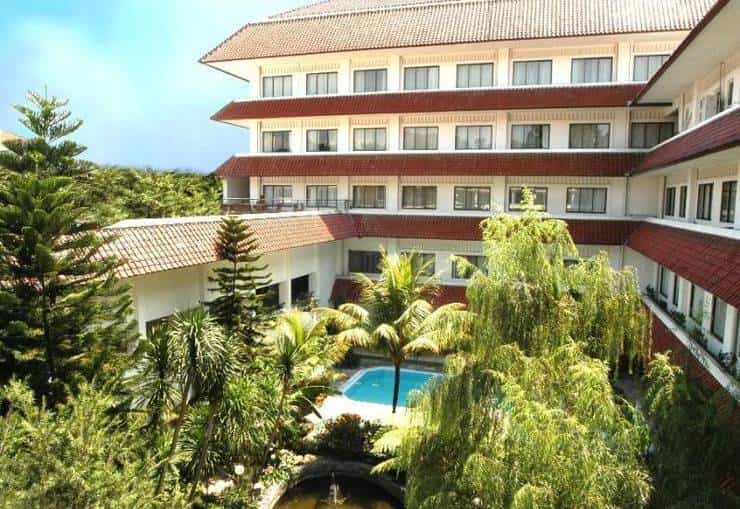
The most striking feature of Hotel Salak The Heritage is its enduring Dutch colonial architecture. High ceilings, wide verandas, large windows, and classic symmetrical layouts define the aesthetic, transporting visitors directly back to the 19th century. Despite numerous renovations and modern updates designed to meet international hospitality standards, the management has carefully preserved the structural integrity and historical ambiance of the original building.
The property currently boasts 140 well-appointed rooms, ranging from standard accommodations to luxurious suites, alongside 16 versatile meeting rooms equipped for corporate events, weddings, and international conferences. The fusion of antique charm with modern amenities allows the hotel to cater to both leisure travelers seeking a nostalgic staycation and business delegates requiring state-of-the-art facilities.
Chronology and Historical Evolution
The history of the site dates back to 1856, during the height of the Dutch East Indies colonial era. Originally established under the name Bellevue-Dibbets Hotel, the property was owned by the family of Governor-General Charles Ferdinand Pahud. During its initial decades, the hotel served as an exclusive enclave and resting place for high-ranking VOC officials, European aristocrats, and wealthy plantation owners who traveled to Bogor—then known as Buitenzorg—to escape the sweltering heat of Batavia (now Jakarta).
The property’s trajectory shifted dramatically during World War II. Following the Japanese invasion of the Indonesian archipelago in the early 1940s, the colonial administration collapsed, and the Japanese military commandeered the Bellevue-Dibbets Hotel, converting it into a strategic regional military headquarters.
Following Indonesia’s declaration of independence in 1945 and the subsequent transfer of sovereignty, the hotel underwent nationalization and restructuring. The property was renamed Hotel Salak, shedding its overtly Dutch moniker while retaining its architectural soul. Over the subsequent decades, the hotel changed ownership multiple times, undergoing systematic modernizations to keep pace with Indonesia’s evolving hospitality sector before eventually adopting its current name, Hotel Salak The Heritage, to honor its deep historical roots.
Comprehensive Facilities and Guest Services
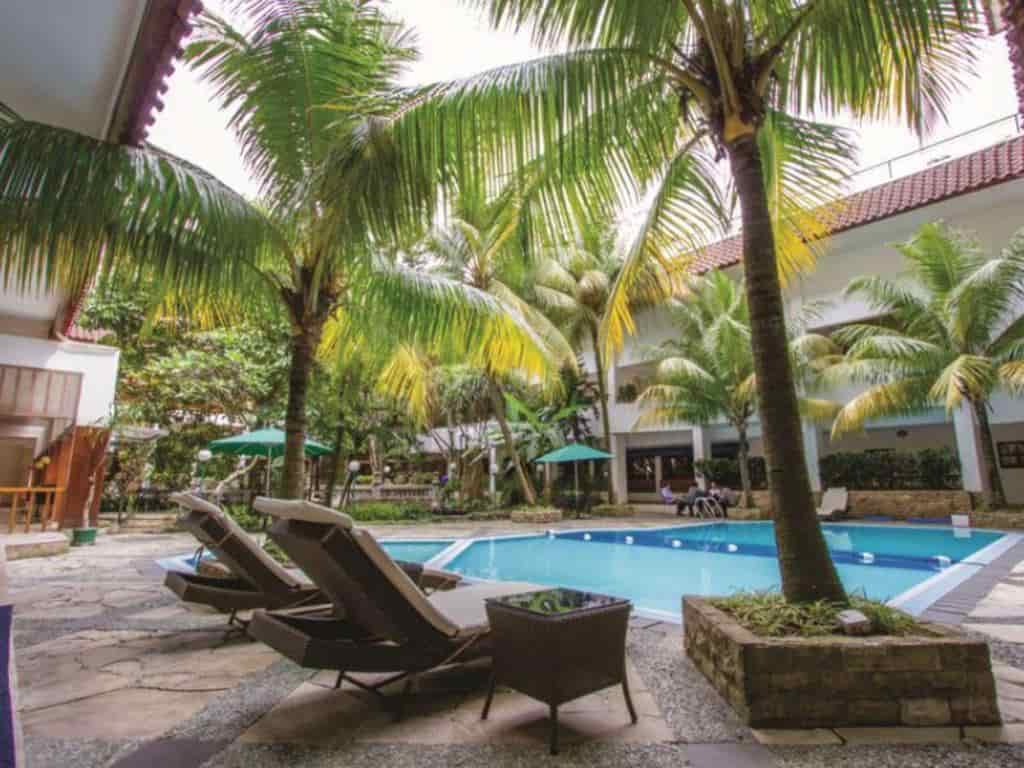
To remain competitive in Indonesia’s bustling tourism market, Hotel Salak The Heritage has integrated a comprehensive suite of modern recreational and business amenities. Fitness enthusiasts can utilize the fully equipped health club, while those seeking relaxation can take advantage of the on-site spa and large outdoor swimming pool. Additional leisure options include a traditional library, karaoke rooms, and billiards facilities.
Culinary needs are met by a diverse array of dining venues, including a main restaurant serving a mix of traditional Indonesian cuisine and international classics, a cozy coffee shop, and a lounge bar. For out-of-town guests arriving via major transport hubs, the hotel offers an efficient airport shuttle service upon request. The entire property is outfitted with high-speed Wi-Fi, and the front desk operates on a 24-hour basis to accommodate late arrivals and international travelers. Room rates generally start competitively, making heritage-style hospitality accessible to a broad demographic of tourists.
Official Recognition and International Prestige
Throughout its long operational history, Hotel Salak The Heritage has hosted numerous dignitaries, politicians, and international figures. However, its most notable modern accolade occurred in 2006, when the hotel received a Certificate of Appreciation from the White House Communications Agency. This prestigious honor was awarded in recognition of the exceptional security, hospitality, and operational excellence provided by the hotel staff during the historic state visit of United States President George W. Bush to Indonesia. Hosting a sitting U.S. President and his massive security detail required stringent logistical coordination, cementing the hotel’s reputation for world-class service standards.
Broader Impact and Implications for Heritage Tourism
The endurance of Hotel Salak The Heritage highlights a broader trend in Indonesian tourism: the adaptive reuse and commercial preservation of colonial-era architecture. As rapid urbanization threatens historical structures across major Indonesian cities, properties like Hotel Salak demonstrate that historic buildings can remain economically viable without compromising their cultural significance.
By functioning simultaneously as a luxury accommodation provider and a living museum, the hotel contributes significantly to Bogor’s economy. It draws heritage tourists, history enthusiasts, and domestic travelers interested in educational leisure. Furthermore, its strategic proximity to the Bogor Botanical Gardens and the presidential palace ensures a steady stream of eco-tourists and cultural explorers.

Ultimately, Hotel Salak The Heritage serves as a physical archive of Indonesia’s complex history—transitioning from a colonial sanctuary for Dutch elites to a Japanese military post, and finally to a premier Indonesian hospitality landmark. Its ability to maintain international service standards while honoring its 19th-century origins secures its position as one of West Java’s most remarkable cultural and architectural treasures.