Solidarity in Crisis: Backpacker Jakarta Mobilizes Aid for Victims of the Flores Earthquake

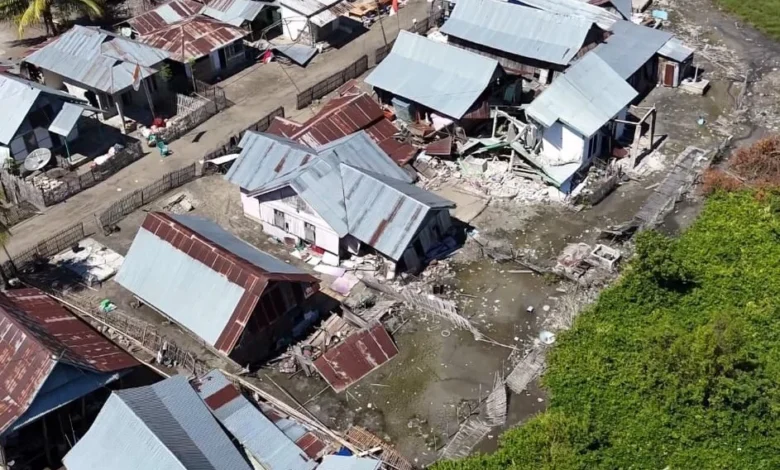
The seismic event that struck Flores, Nusa Tenggara Timur, on August 15, 2026, serves as a grim reminder of the vulnerability of the Indonesian archipelago to tectonic shifts. At 05:58 WITA, a powerful earthquake with a magnitude of 7.8 (Mw) originated from the Flores Back-Arc Thrust, a notorious seismic zone located off the northern coast of the island. With an epicenter depth of only 10 kilometers, the shallow nature of the quake resulted in devastating kinetic energy transfer, causing widespread destruction across several regencies, including Manggarai, Manggarai Timur, Nagekeo, Sikka, Ngada, Ende, and Manggarai Barat.
Chronology and Seismic Context
The morning of August 15 began with a violent awakening for the residents of Flores. The shallow depth of the earthquake, characterized as a "thrust faulting" mechanism, meant that the intensity of the shaking at the surface was catastrophic. Geological experts have long identified the Flores Back-Arc Thrust as a major source of seismic hazards, as it represents the boundary where the Australian Plate is being forced beneath the Eurasian Plate.

Following the primary rupture, the region was subjected to an unprecedented sequence of aftershocks. According to the Badan Meteorologi, Klimatologi, dan Geofisika (BMKG), the seismic activity remained persistent for weeks. By September 4, 2026, at 17:00 WIB, the agency recorded a staggering 12,209 aftershocks. This continuous geological instability has significantly hampered rescue and reconstruction efforts, as residents remain in a state of high anxiety, often refusing to return to homes that remain standing for fear of further structural collapses.
Humanitarian Impact and Statistical Overview
The immediate aftermath of the disaster revealed a dire humanitarian situation. According to official reports from the National Disaster Management Agency (BNPB) and the National Search and Rescue Agency (Basarnas), the death toll reached 111 individuals. However, the true scale of the crisis is reflected in the thousands of injuries and the complete displacement of families whose homes were leveled.
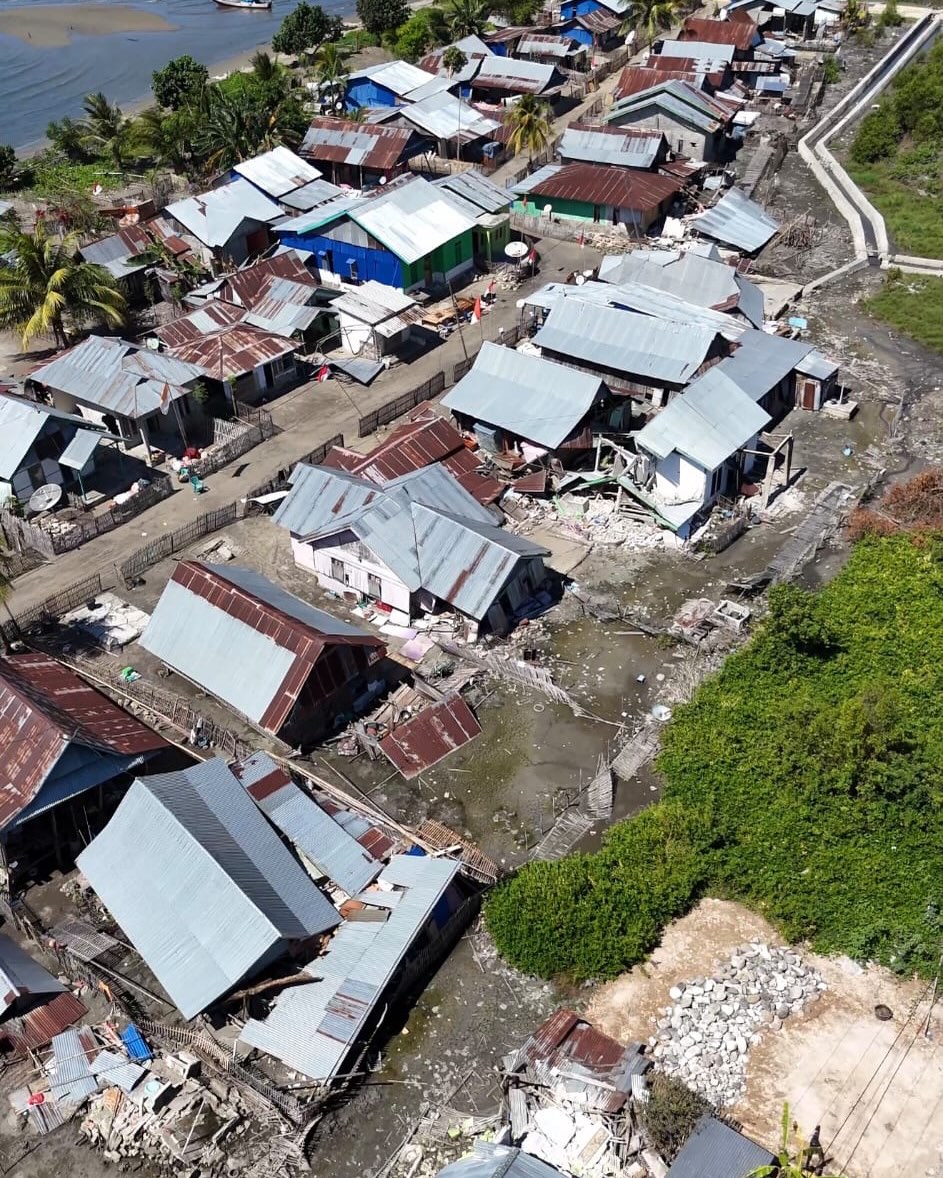
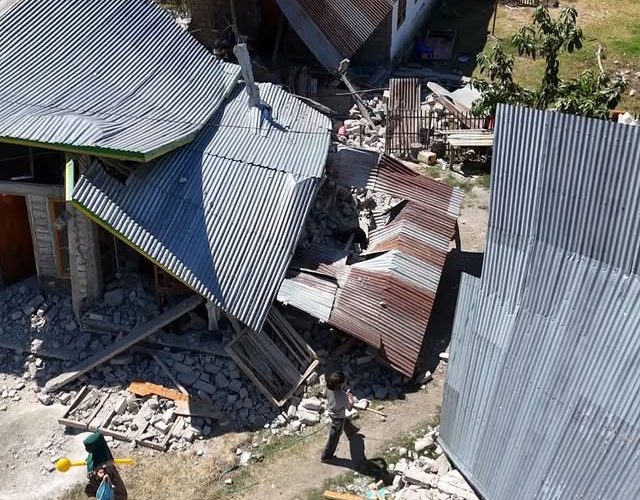
The physical infrastructure of Flores suffered near-total compromise in the hardest-hit areas. Tens of thousands of residential structures were classified as having sustained damage ranging from heavy to light. Beyond private dwellings, the collapse of critical infrastructure—including health centers, educational institutions, and public utilities—has crippled the local economy and social services. The village of Waso in Manggarai Timur emerged as a focal point of the catastrophe, with satellite imagery and on-ground assessments indicating that it experienced some of the most severe structural damage in the entire region.
The Role of Civil Society: The Backpacker Jakarta Initiative
In the face of the overwhelming scale of the destruction, the Indonesian public, represented by various non-governmental and community-based organizations, initiated grassroots relief efforts. One such entity, Backpacker Jakarta, moved quickly to organize resources. Recognizing that government aid often faces logistical bottlenecks in remote mountainous regions, the group mobilized its members to collect funds and procure essential supplies for immediate distribution.
The initiative, dubbed the "Baksos Gempa Bumi Flores – NTT," was designed to provide targeted support to survivors who were otherwise isolated from primary distribution channels. By late August 2026, the organization successfully transitioned from fund collection to on-the-ground implementation, focusing their efforts on the severely affected regency of Manggarai Timur.
Detailed Breakdown of Aid Distribution
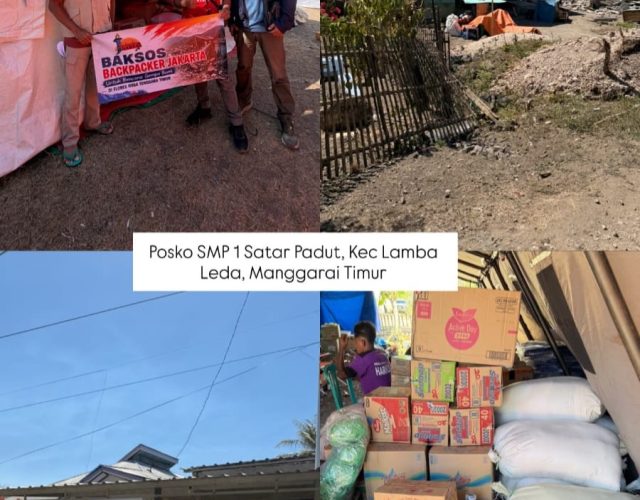
On August 26, 2026, Backpacker Jakarta representatives arrived in Manggarai Timur to oversee the delivery of aid to three distinct emergency shelters (Posko). The strategy was to provide not just immediate food supplies, but also basic sanitary infrastructure to maintain health standards in the crowded camps.
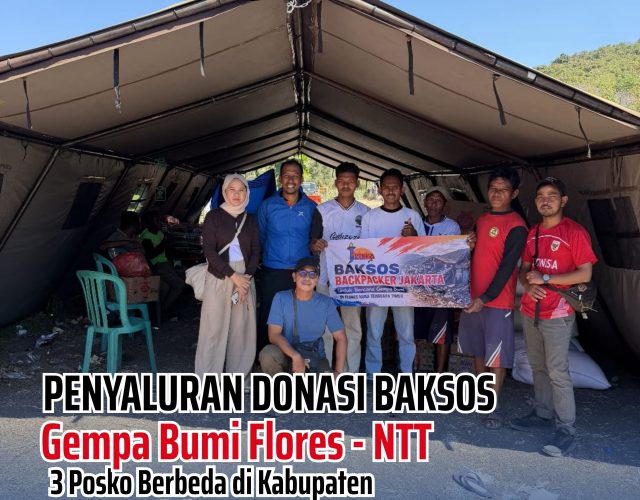
The aid was allocated as follows:
Posko A (Kampung Waso, Desa Satar Padur, Kec. Lamba Leda) and Posko B (Posko Terpadu SMP 1 Lamba Leda, Desa Satar Padut, Kec. Lamba Leda) received a combined contribution totaling Rp15,174,500. This funding was strategically partitioned into:
- Infrastructure support: Construction of water distribution channels for emergency tents (Rp1,334,500).
- Essential nutrition: Large-scale procurement of staple foods including rice, cooking oil, eggs, instant noodles, and basic kitchen condiments (Rp10,880,000).
- Public health supplies: Essential items such as baby formula, children’s diapers, feminine hygiene products, and bathing kits (Rp550,000 for vegetable packets; miscellaneous costs included).
- Logistics: Rental of pickup transport vehicles to navigate the difficult, damaged terrain (Rp1,500,000) and the purchase of portable lighting units to improve safety at the camp sites during the night (Rp210,000).
- Water security: Distribution of bottled water (galons) to prevent dehydration and waterborne diseases (Rp600,000).
Posko C (Desa Elar, Manggarai Timur) received a targeted donation of Rp2,125,000, which was utilized to provide three large sacks of rice, each weighing 50 kilograms, ensuring a steady food supply for the families sheltered in that specific sector.
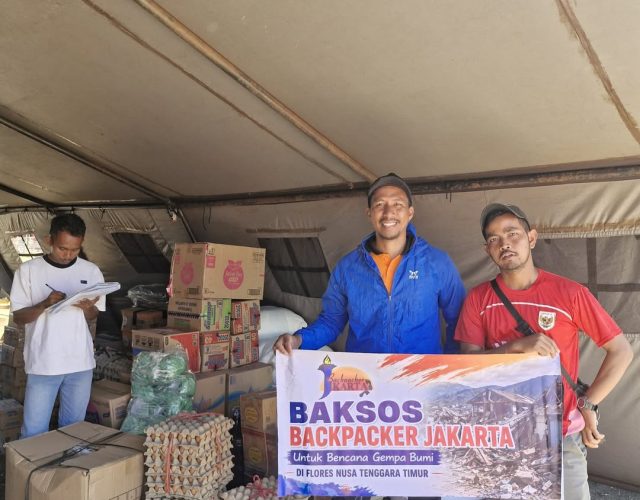
The total expenditure for this initial phase of the humanitarian operation reached Rp17,199,000. These funds, contributed by the collective membership of Backpacker Jakarta, highlight the efficacy of decentralized, community-led disaster relief in Indonesia.
Broader Implications and Future Challenges
The Flores earthquake of 2026 presents significant challenges for regional development and disaster mitigation. The sheer volume of aftershocks suggests that the fault line remains highly active, complicating long-term recovery plans. Experts suggest that the high number of damaged educational and health facilities will require a multi-year reconstruction plan to restore pre-disaster functionality.
Furthermore, the logistical challenges encountered during the distribution phase—such as the need for specialized transport to reach remote villages like Satar Padut—underscore the need for improved disaster-resilient infrastructure in Eastern Indonesia. As the region moves into the recovery phase, the focus must shift from emergency food aid to the sustainable rehabilitation of livelihoods and the implementation of stricter, earthquake-resistant building codes for rural residential construction.
Analysis of Response Strategies
The response to the Flores disaster has been a multi-layered effort. While the government provides the backbone of search and rescue and major medical support, groups like Backpacker Jakarta play a critical role in "last-mile" distribution. This model of intervention—where donors work directly with community leaders to identify specific needs—often results in higher satisfaction rates among beneficiaries compared to centralized, bureaucratic aid systems.
However, the sustainability of such efforts is a concern. As the media cycle moves on and public interest wanes, the risk of "aid fatigue" increases. The ongoing, high-frequency aftershocks indicate that the threat has not yet fully dissipated. Continued surveillance by the BMKG and the maintenance of emergency protocols remain mandatory for the safety of the local population.
Conclusion and Looking Forward
As the recovery process enters its second month, the focus for organizations like Backpacker Jakarta is shifting toward a "Part 2" aid initiative. The goal is to address the secondary wave of needs, which typically involves providing materials for temporary housing and school supplies for children whose education was disrupted by the collapse of school buildings.
The 2026 Flores earthquake will be remembered not only for the tragedy of the lives lost and the destruction of homes but also for the resilience shown by the Indonesian people. The mobilization of resources by civil society groups reflects a deep-seated culture of gotong royong (mutual cooperation), which remains a vital component of the nation’s ability to withstand and recover from frequent seismic hazards. Moving forward, the integration of community-led relief efforts with formal government reconstruction projects will be essential to ensuring that the villages of Flores can be rebuilt in a way that is safer, stronger, and better prepared for the future.
Related posts: