Modern Baby Boy Names Starting with El and Their Profound Meanings for the Next Generation

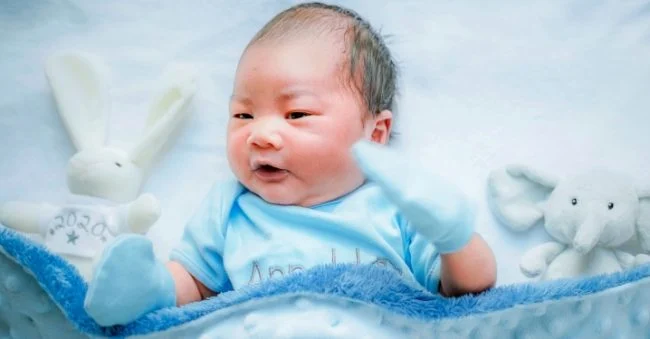
The selection of a child’s name has evolved from a simple familial tradition into a sophisticated process of identity branding and spiritual aspiration for modern parents. In recent years, the prefix "El" has emerged as a dominant trend in global naming conventions, particularly within the Indonesian and Southeast Asian demographic, where parents increasingly seek a fusion of traditional values and modern aesthetics. This linguistic preference is not merely a matter of phonetic appeal; the "El" prefix carries deep etymological roots across various cultures, spanning Hebrew, Arabic, and European origins. As the demand for unique yet meaningful names rises, the "El" category provides a versatile palette for parents who wish to bestow a name that feels contemporary while remaining anchored in positive virtues.
The Etymological Significance of the El Prefix
To understand the popularity of "El" names, one must examine their diverse linguistic foundations. In Hebrew, "El" is a primary word for "God" or "Mighty One," forming the basis for many biblical names such as Elijah (The Lord is my God) or Emmanuel (God is with us). In an Islamic or Arabic context, while the definite article is typically "Al," the phonetic "El" is frequently used as a modernized variant or as a component of names like El-Amin or El-Zaid, signifying "the" or "belonging to."
Furthermore, in Spanish and Romance languages, "El" serves as a masculine definite article, often lending a sense of stature and presence to a name. In modern English-speaking contexts, "El" names often evoke a sense of elegance and lightness. This intersection of divinity, authority, and aesthetic grace makes the prefix a prime choice for parents navigating the complexities of 21st-century identity.
Trends in Modern Indonesian Naming Conventions
Data from civil registries and digital parenting platforms indicates a significant shift in how Indonesian parents choose names. While the previous generation leaned heavily toward traditional Sanskrit or strictly religious Arabic names, the current generation—largely comprised of Millennials and Gen Z—prefers "hybrid" names. These are names that sound globally accessible but retain a local or spiritual resonance.
Social analysts suggest that this trend is driven by the "global citizen" mindset. Parents want their children to have names that are easy to pronounce in international settings—whether in a boardroom in London or a university in Tokyo—without losing their cultural soul. The "El" prefix fits this criteria perfectly, offering a sleek, minimalist sound that bypasses the phonetic complexities of more traditional, multi-syllabic regional names.
Comprehensive List of Modern Baby Boy Names Starting with El
The following list categorizes names by their linguistic origins and the specific virtues they represent, providing parents with a robust selection of unique identifiers.
Hebrew and Biblical Origins
- Elias: A variation of Elijah, meaning "The Lord is my God." It conveys strength and spiritual conviction.
- Elkan: Meaning "God has created" or "God has possessed." It is often chosen by parents who view their child as a divine gift.
- Eliaz: A modern-sounding name meaning "God is my help."
- Elon: Meaning "oak tree," symbolizing strength, longevity, and sturdiness.
- Elram: Meaning "God is exalted," suggesting a life of high purpose and dignity.
- Eliel: Meaning "My God is God," a name that emphasizes faith and singular devotion.
Arabic and Islamic-Inspired Modernizations
- Elham: Often used to mean "inspiration" or "intuition." It suggests a child who will be a source of light and ideas.
- El-Zaid: A modernization of Zaid, meaning "abundance" or "growth."
- El-Fatih: "The Opener" or "The Conqueror," signifying a leader who breaks new ground.
- El-Amin: Meaning "the trustworthy" or "the honest one," reflecting a core moral virtue.
- El-Ghazali: Referencing the great philosopher, implying wisdom and intellectual depth.
European and Western Modern Variants
- Elio: Derived from the Greek "Helios," meaning "sun." It is a popular choice in Italy and France for a child who brings warmth and light.
- Elden: An Old English name meaning "noble friend" or "from the valley of the elves."
- Elroy: Of French origin, meaning "the king." It bestows a sense of leadership and royalty.
- Elton: Meaning "from the old town," suggesting a connection to heritage and history.
- Elian: A modern Dutch and Spanish name meaning "light" or "bright."
Structuring the Identity: Two and Three-Word Name Combinations
In Indonesian culture, the combination of names is as vital as the first name itself. Parents often use a three-part structure: the given name, a middle name representing a specific virtue, and a third name that often serves as a family identifier or a broader aspiration.
Two-Word Modern Combinations
- Elkan Mahendra: "God’s creation" combined with "Great King," suggesting a powerful leader created by divine will.
- Elio Arkan: "The Sun" and "Pillar," symbolizing a bright child who serves as a foundation for his family.
- Elias Zhafran: "The Lord is my God" and "Victorious," signifying a life of spiritual success.
- Elden Kenzie: "Noble friend" and "Wise leader," a combination emphasizing social intelligence and authority.
Three-Word Aspirational Combinations
- Elram Raditya Putera: "Exalted God," "The Sun," and "Son." This translates to a son who shines brightly with divine grace.
- Elham Malik Ibrahim: "Inspiration," "King," and the name of the Prophet Ibrahim. This suggests a wise, inspired leader with a strong prophetic foundation.
- Elzio Naufal Pratama: A modern rhythmic name where "Elzio" (God is my oath) is paired with "Generous" and "First-born."
- Elian Faris Syahputra: "Bright light," "Knight," and "Son of a King," creating an image of a noble and enlightened protector.
Psychological and Social Implications of Naming
The "nominative determinism" hypothesis suggests that a person’s name can have a subtle but measurable impact on their life choices and how they are perceived by society. A name starting with "El" often carries a "soft-start" phonetic quality, which linguists associate with approachability and friendliness. Unlike names with "harsh" consonants (like K, T, or D), "El" names flow smoothly, potentially influencing a child’s social interactions.
Furthermore, the quest for "tidak pasaran" (not common) names reflects a broader sociological trend toward individualism. In a globalized world, having a unique name is a form of social capital. It helps an individual stand out in digital databases, social media, and professional networks. However, experts caution that uniqueness should not come at the cost of clarity. A name that is too difficult to spell or pronounce can lead to "administrative friction" throughout a child’s life.
Administrative and Legal Considerations in Indonesia
For parents in Indonesia, the process of naming is now guided by more than just personal preference. The Ministry of Home Affairs (Kemendagri) issued Regulation No. 73 of 2022 concerning Naming in Population Documents. This regulation stipulates that names must:
- Consist of at least two words (to facilitate international travel and passport processing).
- Not exceed 60 characters including spaces.
- Not be ambiguous or have negative connotations.
- Be easy to read and not use numbers or symbols.
The "El" prefix fits seamlessly within these regulations, offering a concise and dignified start to a multi-word name that complies with modern administrative standards.
The Role of Names in Modern Parenting
In the digital age, a name is the first piece of "content" a parent creates for their child. It is the foundation of their digital footprint and their social identity. The popularity of "El" names is a testament to the modern parent’s desire to balance the ancient with the avant-garde. By choosing a name like Elkan, Elio, or Elham, parents are essentially curating a legacy of strength, light, and divine connection.
As families continue to navigate an increasingly interconnected world, the names they choose will serve as anchors. Whether rooted in the spiritual history of the Middle East or the linguistic elegance of Europe, "El" names provide a bridge between the past and the future. They offer a sense of "coolness" that appeals to the youth of today, while carrying the weight of meaning that satisfies the traditional values of the family unit.
In conclusion, the selection of an "El" name is more than a fashion statement; it is a strategic and emotional decision. It reflects a parent’s hope for their child to be a "bright sun" (Elio), an "inspiration" (Elham), or a "noble leader" (Elden). As the list of modern names continues to expand, the prefix "El" remains a timeless and versatile choice, ensuring that the next generation carries names that are as profound as they are beautiful.