
Marc Cucurella’s Unseen Triumph: Balancing World Cup Glory with the Profound Journey of Raising a Child with Autism

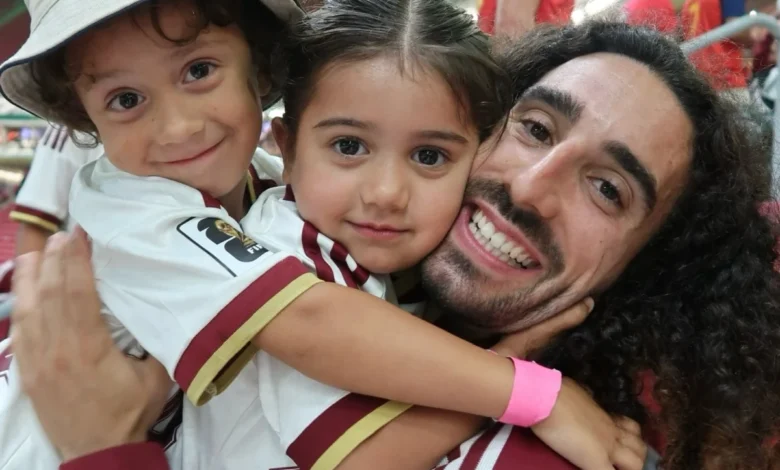
The roar of the crowd, the flash of cameras, and the ultimate euphoria of lifting the FIFA World Cup trophy in 2026 marked a pinnacle moment in the career of Spanish international defender Marc Cucurella. His unwavering consistency and defensive prowess were instrumental in La Furia Roja’s triumphant campaign, solidifying his status as a world champion at just 28 years old. Yet, beneath the veneer of public celebration and athletic achievement, Cucurella navigates a far more personal and profoundly emotional journey: raising his eldest son, Mateo, who lives with autism spectrum disorder (ASD). This dual narrative of public triumph and private fortitude offers a compelling glimpse into the life of a modern athlete, revealing the profound human experiences that often lie beyond the stadium lights.
The Genesis of a Personal Challenge: Early Observations and Uncertainty
The journey for Cucurella and his partner, Claudia Rodriguez, began not with a definitive diagnosis, but with subtle observations that sparked a period of deep concern and uncertainty. As Mateo, their firstborn, grew from infancy into toddlerhood, they began to notice developmental differences compared to other children his age. These included atypical communication patterns, challenges with social interaction, and repetitive behaviors—hallmarks often associated with early indicators of autism. While many parents experience fleeting worries about their child’s development, for Cucurella and Rodriguez, these observations became persistent, prompting a search for answers that would stretch over many months, fraught with emotional strain and a sense of isolation.
In a deeply personal Amazon Prime documentary released in 2025, which provided an unprecedented look into their lives, Claudia Rodriguez recounted the harrowing early days. "Every day we would go together to drop Mateo off at school. We would come home every day in tears," she revealed, reflecting the immense emotional burden she carried, especially while pregnant with their second child, Rio. This period was characterized by a relentless pursuit of clarity, navigating a complex medical landscape that often presents significant hurdles for parents seeking an autism diagnosis. The couple encountered initial difficulties in accessing specialized help and obtaining a definitive diagnosis, a common experience for families worldwide. Studies by organizations like the World Health Organization and national health bodies frequently highlight the global challenge of diagnostic delays, which can significantly impact the efficacy of early intervention strategies. These delays are often attributed to a lack of awareness among primary healthcare providers, limited access to specialist services, and the inherent complexity of diagnosing ASD, which manifests uniquely in each individual.
Navigating the Diagnostic Maze and the Impact of Routine Disruption
The process of securing an autism diagnosis is rarely straightforward. It typically involves a multidisciplinary assessment by developmental pediatricians, psychologists, speech therapists, and occupational therapists. For Cucurella and Rodriguez, this meant a series of appointments, evaluations, and observations, each step laden with hope and anxiety. The documentary shed light on how the couple grappled with the evolving understanding of Mateo’s condition, moving from initial denial and confusion to a gradual acceptance and a determined resolve to provide the best possible support.
A significant challenge highlighted by the couple was Mateo’s difficulty with changes in routine. For children with ASD, predictability and structure are often crucial for their emotional well-being and ability to function. Unforeseen alterations—whether in daily schedules, environments, dietary habits, or even the absence of consistent therapeutic interventions—can trigger intense distress, sensory overload, and behavioral difficulties. Claudia and Marc detailed how even minor shifts in Mateo’s daily life, such as changes in school schedules or the temporary unavailability of therapists, would profoundly impact him, making adaptation exceedingly difficult. This sensitivity underscores a fundamental aspect of autism: a different way of processing sensory information and a profound need for order and familiarity in their environment. The struggles they faced in maintaining Mateo’s stability further amplified their distress, illustrating the constant vigilance and meticulous planning required to support a child on the autism spectrum.
The Power of Public Disclosure: The Amazon Prime Documentary
The decision by Marc Cucurella and Claudia Rodriguez to share their intensely personal story through an Amazon Prime documentary in 2025 was a pivotal moment, not only for their family but potentially for the broader autism community. In an era where athletes often maintain carefully curated public images, their transparency offered a refreshing and impactful departure. Documentaries on streaming platforms have become powerful vehicles for personal narratives, allowing public figures to connect with audiences on a deeper, more human level. By choosing this medium, Cucurella and Rodriguez leveraged their visibility to shed light on a condition that, despite its prevalence, still carries significant stigma and misunderstanding.
Their narrative contributed to a growing body of celebrity disclosures that have historically played a crucial role in raising public awareness and destigmatizing various conditions. For instance, disclosures by figures like Jenny McCarthy and others have brought autism into mainstream conversations, even while sometimes sparking debates on specific treatments or theories. Cucurella and Rodriguez’s account, however, focused squarely on the lived experience of a family navigating the challenges and triumphs of raising a child with ASD, emphasizing the emotional toll, the relentless search for support, and the profound love that underpins their journey. This kind of authentic storytelling can foster empathy, encourage open dialogue, and prompt other families facing similar challenges to seek help and feel less alone.
Understanding Autism Spectrum Disorder: A Brief Context

Autism Spectrum Disorder (ASD) is a complex neurodevelopmental condition characterized by persistent challenges in social communication and interaction, and by restricted, repetitive patterns of behavior, interests, or activities. The term "spectrum" is crucial, as it signifies the wide range of symptoms, skills, and levels of impairment that individuals with autism can experience. Some individuals with ASD may have significant intellectual disabilities and require substantial support in daily life, while others may have average or above-average intelligence and lead relatively independent lives, sometimes referred to as "high-functioning autism."
The prevalence of ASD has been rising globally, partly due to increased awareness and improved diagnostic criteria. The Centers for Disease Control and Prevention (CDC) in the United States, for example, estimates that 1 in 36 children (as of 2023 data) are identified with ASD, with boys being diagnosed more frequently than girls. While the exact causes of autism are still under extensive research, it is understood to be a multifactorial condition involving a combination of genetic and environmental factors. Early diagnosis and intervention are widely recognized as critical for improving outcomes, as they can help children develop essential communication, social, and adaptive skills during crucial developmental windows. Therapies such as Applied Behavior Analysis (ABA), speech therapy, occupational therapy, and social skills training are commonly employed to support individuals with ASD.
The Dual Triumph: On-Field Excellence and Off-Field Resilience
Marc Cucurella’s stellar performance at the 2026 World Cup, culminating in Spain’s championship victory, provides a poignant backdrop to his personal struggles. His ability to perform at the highest level of professional sport, under immense pressure, while simultaneously managing the emotional complexities of his family life, speaks volumes about his character and resilience. Athletes, like all individuals, carry their personal lives into their professional arenas. For Cucurella, the discipline, focus, and mental fortitude required for elite football likely found a parallel in his commitment to Mateo’s well-being.
His consistency in the defensive line for Spain—a hallmark of his club career with teams like Brighton & Hove Albion and Chelsea in the Premier League, and earlier with Getafe in La Liga—reflects a deep-seated dedication. This dedication, it can be inferred, extends equally to his family. The World Cup triumph, therefore, becomes more than just a sporting achievement; it symbolizes a victory on multiple fronts, a testament to the human spirit’s capacity to overcome adversity, both public and private. His story implicitly highlights the often-unseen struggles of public figures, humanizing them beyond their professional roles and demonstrating that even those who achieve global recognition face profound personal challenges.
Broader Implications and Advocacy
The decision by high-profile individuals like Marc Cucurella to openly discuss their family’s journey with autism has far-reaching implications. Firstly, it contributes significantly to destigmatization. When a celebrated athlete shares such a personal experience, it normalizes autism, helping to dismantle misconceptions and biases that can isolate families. It sends a powerful message that autism is a part of the human experience, deserving of understanding, acceptance, and support, not shame or secrecy.
Secondly, it can galvanize support for autism awareness and research. The visibility generated by such stories often translates into increased public interest, potentially leading to greater funding for research into causes, early detection methods, and more effective interventions. Advocacy groups often leverage these narratives to amplify their calls for better resources, improved diagnostic services, and more inclusive societal structures for individuals with ASD and their families.
Thirdly, Cucurella’s story serves as a beacon of hope and solidarity for countless other parents navigating similar paths. Knowing that a celebrated figure experiences the same fears, frustrations, and triumphs can provide immense comfort and validation. It fosters a sense of community, reinforcing the idea that no family walks this path alone. The candidness of his and Claudia’s account, particularly regarding the emotional toll and the difficulties in accessing support, can also pressure healthcare systems and governmental bodies to review and improve their provisions for autism diagnosis and support services.
Looking Ahead: A Future Defined by Love and Support
As Marc Cucurella continues his illustrious football career, his personal journey with Mateo will remain a defining aspect of his life. The challenges of raising a child with autism are ongoing, requiring continuous learning, adaptation, and unwavering love. However, the family’s decision to share their story, coupled with Cucurella’s professional success, positions them as powerful advocates for the autism community.
Their narrative underscores the vital importance of early intervention, comprehensive support systems, and a societal shift towards greater understanding and inclusion for individuals on the autism spectrum. The 2026 World Cup may have crowned Marc Cucurella a footballing legend, but his true legacy may well be forged off the pitch, in his courageous and compassionate commitment to his family, demonstrating that the greatest victories are often won in the heart and home. His story is a testament to the profound strength found in vulnerability, reminding us that true heroism extends far beyond the realm of sport, into the everyday battles and triumphs of family life.