
Sydney Airport Introduces Premium Lane for Expedited Immigration and Security Checks

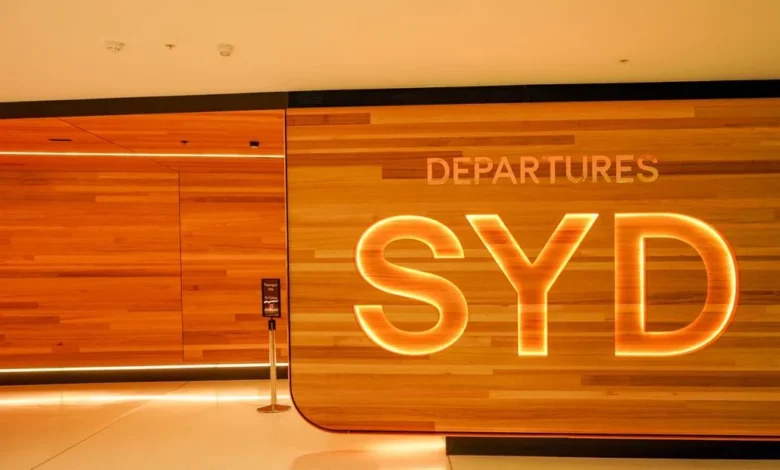
Sydney, Australia – Sydney Airport has unveiled a new premium lane service, offering departing international travelers the option to bypass lengthy queues at immigration and security checkpoints for a fee of AUD $20. This initiative aims to enhance passenger experience by reducing wait times and improving the overall efficiency of movement through the international terminal during peak travel periods.
The new service, reported by The Australian Financial Review on Wednesday, July 22, 2026, allows passengers to purchase an access card that grants them entry into a priority lane prior to the security screening process. Airport officials emphasize that this measure is designed to alleviate passenger stress, conserve valuable time, and facilitate a smoother transit experience for the millions of individuals who pass through Sydney Airport annually.
"More than 42 million people travel through Sydney Airport each year, and that number is projected to increase significantly in the coming decades. Our duty is to ensure the airport experience remains aligned with these expectations and is as seamless, efficient, and smooth as possible," stated Mark Zaouk, the airport’s commercial executive manager. He further elaborated on the airport’s commitment to adapting to growing passenger volumes while maintaining high service standards.
The premium lane effectively merges cardholders with passengers flying in business or first class, granting them access to expedited security screening. This allows these travelers to proceed more swiftly towards their departure gates, a significant advantage during busy travel seasons. It is important to note that families and individuals requiring special accessibility assistance, including those with hidden disability lanyards, will continue to have access to priority lanes without any additional cost, underscoring the airport’s commitment to inclusive travel.
The Congestion Conundrum: Is Sydney Airport Truly Overwhelmed?
While the introduction of a premium lane might suggest widespread congestion, data from the second quarter of 2026 indicates a generally efficient departure process for international travelers at Sydney Airport. For 99.9% of international departing passengers, the average wait time for security screening was 10 minutes or less. This figure aligns with the performance of most major airports across Australia, painting a picture of operational effectiveness at the departure stage.
However, beneath this generally positive statistic lies a growing undercurrent of passenger dissatisfaction, particularly concerning the arrival process. As Australia continues to see a significant influx of international visitors, the immigration and customs queues upon arrival have become a notable bottleneck, especially during peak hours. This disparity between the relatively smooth departures and the increasingly slow arrivals has become a focal point for criticism from various stakeholders.
Currently, Sydney Airport does not offer an express service for arriving passengers, meaning all individuals, regardless of their travel class or specific needs, must navigate the standard immigration and customs procedures. This absence of a premium option for arrivals is a key factor contributing to the reported delays and passenger frustration.
A Surge in International Travel: Setting the Stage for Demand
The demand for international travel, both by Australians and foreign visitors, has been steadily increasing. According to the latest data from the Australian Travel Industry Association, Australian citizens undertook nearly 12.71 million international trips in the year leading up to May 2026. Concurrently, 9.16 million international visitors chose Australia as their destination during the same period. This robust outbound and inbound tourism activity places considerable pressure on airport infrastructure and services.
The growing volume of international travelers underscores the strategic importance of efficient border processing. For outbound passengers, the new premium lane offers a tangible solution to mitigate potential delays. For inbound passengers, however, the lack of a similar expedited option means they are directly exposed to the pressures of increasing visitor numbers.
Government Response: Modernizing Arrival Processes
The persistent issues at the arrival gates have not gone unnoticed by the government. Under pressure from operators within the tourism and transport industries, the Labor Party government announced plans earlier this week to phase out the traditional paper-based arrival cards. This move is part of a broader strategy to modernize and streamline the immigration and customs clearance process. The government has indicated that these outdated procedures will be replaced within the next 18 months, signaling a commitment to addressing the long-standing inefficiencies at Australia’s borders.
This government initiative, while not directly linked to the airport’s premium lane for departures, is a crucial development in the overall passenger experience. The elimination of paper cards and the subsequent digital transformation of arrival procedures are expected to significantly reduce processing times and alleviate congestion. The timeline of 18 months suggests a phased implementation, with initial improvements anticipated in the coming year.
Broader Implications and Future Outlook
The introduction of a paid premium lane at Sydney Airport reflects a global trend in airport management, where operators are seeking innovative ways to manage passenger flow and generate additional revenue. As passenger numbers continue to climb, airports worldwide are exploring a range of strategies, including technological advancements, operational efficiencies, and tiered service offerings.
The success of Sydney Airport’s premium lane will likely be measured by passenger uptake and satisfaction levels. While the AUD $20 fee may be a deterrent for some, the promise of saving time, especially for those with tight schedules or a desire for a more comfortable journey, could prove attractive. The airport’s stated goal of reducing stress and enhancing efficiency during peak travel periods is a valid concern, and this new service directly addresses that.
However, the continued pressure on arrival processes remains a significant challenge. The government’s commitment to digitizing arrival cards is a positive step, but the actual implementation and its effectiveness will be closely watched. The interplay between private sector initiatives, like the premium departure lane, and public sector reforms, such as modernizing border processing, will be critical in shaping the future of air travel experience in Australia.
The increasing reliance on paid services for expedited passage also raises questions about equity in travel. While families and those with accessibility needs are exempted, the introduction of a fee-based system for a fundamental aspect of air travel could be perceived as creating a two-tiered system. This is a delicate balance that airports and governments must carefully manage to ensure that essential travel remains accessible to all.
Looking ahead, Sydney Airport’s strategic planning must encompass both departure and arrival experiences. As air travel continues its upward trajectory, sustained investment in infrastructure, technology, and efficient operational protocols will be paramount. The airport’s commitment to future growth, as articulated by Mark Zaouk, will require continuous adaptation and innovation to ensure that Sydney remains a competitive and welcoming gateway to Australia. The current move towards a premium departure lane is a pragmatic response to immediate pressures, but the long-term vision must address the holistic passenger journey, from curb to gate and back again. The coming years will undoubtedly see further evolution in how airports manage the ever-increasing flow of global travelers.