
Indonesia National Team Sets Sights on Historic First AFF Cup Title as 2026 Tournament Schedule and Preparations Unveiled

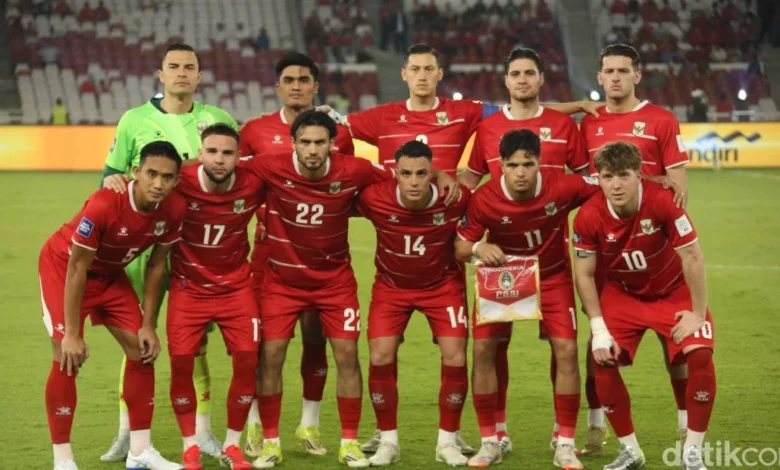
The Indonesia National Football Team is officially entering the final stages of preparation for the 2026 AFF Cup, with the tournament schedule now confirmed and the squad undergoing intensive training under the guidance of head coach John Herdman. As the prestigious biennial Southeast Asian championship approaches, the Indonesian Football Association (PSSI) and the national coaching staff have outlined a comprehensive roadmap aimed at ending the country’s long-standing title drought in the competition. Stationed in Group A, the "Garuda" squad faces a challenging path that includes a high-stakes encounter with regional rivals Vietnam and tactical battles against Singapore, Cambodia, and Timor Leste. With a blend of seasoned veterans and emerging young talents, the 2026 campaign is being viewed as a pivotal moment for Indonesian football on the international stage.
Tournament Structure and Group A Dynamics
The 2026 edition of the AFF Cup continues with the established single round-robin format during the group stage, a system designed to maximize fan engagement and provide a fair home-field advantage across the region. Under this format, each participating nation plays four matches—two at home and two away. For Indonesia, this means the raucous atmosphere of the Pakansari Stadium in Bogor will serve as the fortress for their home fixtures, while they must navigate the logistical and climatic challenges of playing in Thailand and Singapore for their away legs.
Group A presents a diverse set of challenges. Vietnam remains the most formidable opponent in the group, having consistently competed for the top spot in Southeast Asian rankings over the last decade. Singapore, a four-time winner of the tournament, represents a historical powerhouse looking to reclaim its former glory. Meanwhile, Cambodia and Timor Leste enter as underdogs but have shown significant improvement in their youth development programs, making them potential "banana skins" for any team that underestimates their resilience.
Detailed Match Schedule and Logistics
The Indonesian National Team will kick off their campaign on July 27, 2026, at the Pakansari Stadium against Cambodia. Kick-off is scheduled for 20:30 WIB, a prime-time slot expected to draw a capacity crowd. This opening match is considered crucial for building momentum; a convincing victory would set the tone for the rest of the group stage and ease the pressure on the players.
Following the opener, the team will travel to Thailand for their second match on July 31. Although they are playing Timor Leste, the match will be held at the Chonburi Stadium in Thailand, as Timor Leste has opted for a neutral venue that meets the stringent AFC and AFF stadium requirements. This away fixture requires careful management of player recovery, given the short four-day turnaround between matches.
The third matchday on August 3 is undoubtedly the highlight of the group stage. Indonesia will return to Pakansari Stadium to host Vietnam. Historically, matches between these two nations have been characterized by high intensity, tactical sophistication, and immense public interest. This fixture is widely expected to determine the group winner, which carries the significant advantage of a favorable seeding in the semi-finals.
The group stage concludes for Indonesia on August 7 with an away trip to Singapore. The match will be held at the Jalan Besar Stadium, known for its artificial turf which often presents a unique challenge for visiting teams accustomed to natural grass. Simultaneously, Vietnam will host Cambodia, meaning the final standings of Group A will likely come down to the results of these two concurrent matches.
The Herdman Era: Tactical Evolution and Training Camp
The appointment of John Herdman as the head coach of the Indonesia National Team marked a significant shift in the nation’s footballing philosophy. Herdman, who famously led the Canadian men’s national team to their first World Cup appearance in 36 years, brings a wealth of experience in tournament management and psychological conditioning. Since taking the reins, he has emphasized a high-pressing, transition-based style of play that utilizes the speed of Indonesia’s wingers and the technical proficiency of its midfield.
To ensure the squad is in peak physical condition, a specialized Training Camp (TC) commenced in Bali on July 5, 2026. The choice of Bali as a training base was strategic, providing a secluded environment that allows players to focus entirely on tactical drills and fitness while offering world-class facilities. Herdman has reportedly focused on "periodization," a training method that ensures players reach their physical peak exactly when the tournament begins.
"The goal is not just to participate, but to dominate," a source close to the coaching staff noted. "Coach Herdman has been working on the psychological aspect as much as the tactical one. He wants the players to believe that the history of finishing as runners-up is behind them. This is a new era."
Historical Context: Breaking the Runner-Up Curse
For Indonesian football fans, the AFF Cup is a source of both immense passion and lingering heartbreak. Indonesia holds the record for the most runner-up finishes in the tournament’s history, having reached the final six times without ever lifting the trophy. This "silver medal curse" has become a psychological hurdle that every successive generation of players has had to face.
The 2026 tournament represents perhaps the best opportunity yet to break this cycle. The current squad is arguably the most balanced in recent history, benefiting from a robust domestic league and an increasing number of players competing in high-level leagues in Europe and other parts of Asia. The integration of "hereditary players"—those of Indonesian descent playing abroad—has significantly raised the team’s tactical ceiling and physical presence.
The rivalry with Vietnam adds another layer of historical weight. Over the past five years, the two nations have traded blows in World Cup Qualifiers and Southeast Asian Games. Beating Vietnam in the group stage would not only be a tactical victory but a massive morale boost that could carry the team through the knockout rounds.
Supporting Data and Squad Analysis
Statistically, Indonesia’s performance metrics have shown a steady upward trajectory since 2024. FIFA rankings for the national team have improved, moving from the mid-140s to within striking distance of the top 100. This improvement is reflected in their defensive solidity; under Herdman, the team has conceded fewer goals per game on average than in the previous three-year cycle.
The squad for the 2026 AFF Cup is expected to feature a mix of experienced leaders and "Golden Generation" youngsters. Key players such as Marselino Ferdinan and Rizky Ridho, who have been staples of the national team since their teenage years, are now entering their prime. Their leadership will be vital in navigating the high-pressure environment of a regional tournament. Additionally, the presence of naturalized players who have integrated into the Indonesian culture and football system provides a level of physicality and tactical discipline that was sometimes lacking in previous iterations of the squad.
Official Responses and Public Expectations
PSSI Chairman Erick Thohir has been vocal about the importance of this tournament. In a recent statement, he emphasized that the AFF Cup serves as a barometer for the success of the national football transformation program. "We have provided the best facilities, the best coach, and the best preparation. Now, it is time for the players to show their heart on the pitch. The Indonesian people deserve to see the Garuda trophy in Jakarta," Thohir stated.
Public expectation is at an all-time high. Football is the undisputed number one sport in Indonesia, and the national team’s matches consistently draw some of the highest television ratings in the country. Social media platforms are already buzzing with the hashtag #KitaGaruda, as fans prepare to fill stadiums and public viewing areas across the archipelago.
Broader Impact and Implications for Southeast Asian Football
The success of the 2026 AFF Cup is also vital for the regional football governing body, the ASEAN Football Federation. As the tournament continues to grow in commercial value, the rivalry between nations like Indonesia, Vietnam, Thailand, and Malaysia drives significant investment in sports infrastructure and broadcasting rights.
For Indonesia, a victory would have implications far beyond the trophy cabinet. It would validate the long-term investments made in youth academies and coaching education. It would also serve as a catalyst for further professionalization of the domestic Liga 1, as the success of the national team often correlates with increased sponsorship and attendance in club football.
Furthermore, a strong showing in the AFF Cup serves as a springboard for continental competitions. With the AFC Asian Cup and World Cup Qualifiers becoming increasingly competitive, the AFF Cup provides the necessary "tournament experience" for players to handle the pressure of knockout football.
Final Outlook and Path to the Final
As the July 27 opener against Cambodia approaches, the focus remains on consistency. The single round-robin format leaves little room for error; a single loss could jeopardize a team’s chances of advancing to the semi-finals. If Indonesia manages to top Group A, they will likely avoid the winner of Group B—potentially Thailand or Malaysia—until the final.
The semi-finals and finals will return to a two-legged, home-and-away format, testing the endurance and tactical flexibility of the squads. For John Herdman and his men, the path is clear but fraught with difficulty. The 2026 AFF Cup is more than just a tournament; it is a mission to redefine the identity of Indonesian football and finally claim the title of champions of Southeast Asia.
With the Training Camp in Bali entering its final phase and the tactical blueprints finalized, the "Garuda" is ready to take flight. All eyes will be on Pakansari Stadium next Monday, as Indonesia begins what many hope will be a historic journey toward their first-ever AFF Cup glory.