BYD’s Indonesian Sales Surge Amidst Production Enigma: Imported Units Dip as Local Factory Gears Up

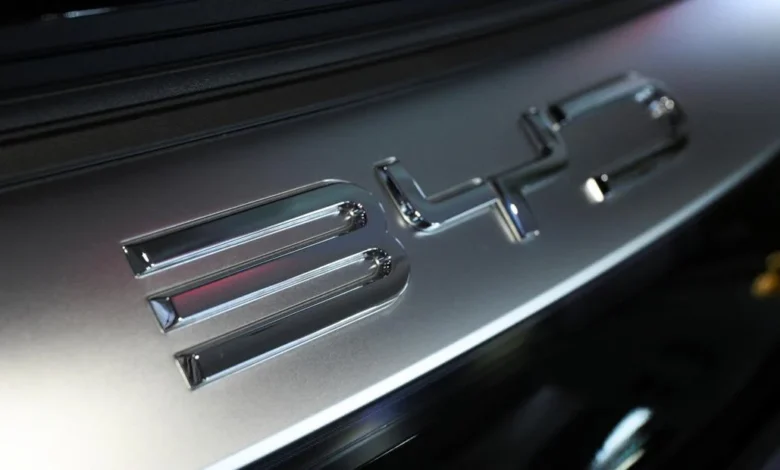
The Indonesian automotive market is abuzz with the rapid ascent of Chinese electric vehicle (EV) giant BYD, which has achieved remarkable sales figures in the first half of 2024. However, a significant discrepancy has emerged: thousands of BYD vehicles have been distributed and sold to consumers, while the company’s much-anticipated manufacturing facility in Subang, West Java, has yet to commence full-scale operations, and import volumes have dramatically decreased. This situation has sparked questions about the origin of these vehicles and the strategic rollout of BYD’s presence in Southeast Asia’s largest economy.
Unprecedented Sales Growth, Unclear Supply Chain
Data compiled by the Association of Indonesia Automotive Industries (Gaikindo) reveals that BYD distributed an impressive 5,264 units on a wholesale basis during the January-June 2024 period. Retail sales, representing the number of vehicles delivered from dealerships to end consumers, stood at a substantial 3,757 units within the same timeframe. This robust performance places BYD among the significant players in the Indonesian market, particularly within the burgeoning EV segment.
Despite these impressive sales numbers, the source of these vehicles remains a point of intrigue. Gaikindo’s production data for the period shows no recorded manufacturing activity by BYD within Indonesia. This absence of local production, coupled with a sharp decline in imports, creates a compelling narrative of a supply chain puzzle.
A Dramatic Shift in Import Strategy
In 2023, BYD’s Indonesian operations were almost entirely reliant on Completely Built-Up (CBU) imports from China. This strategy allowed the company to quickly introduce its range of electric vehicles to the Indonesian market and gauge consumer demand. For instance, during the first half of 2023, BYD imported a considerable 14,179 units into Indonesia.
However, a significant strategic pivot appears to have occurred in early 2024. From January to June 2024, BYD’s import volume plummeted to a mere 536 units. This drastic reduction in imports directly coincides with the ongoing development and preparation of its manufacturing plant in Subang. The company has stated its intention to localize production, a move that typically involves a phased reduction in CBU imports as local assembly or manufacturing capabilities mature.
Limited Imported Models Contrast with Diverse Sales
Further analysis of Gaikindo’s import data reveals that the limited number of vehicles imported in the first half of 2024 were specifically the BYD Seal and BYD Atto 3 models. This suggests a targeted approach to the remaining import activities, potentially focusing on specific variants or models that are not yet being produced locally.
The enigma deepens when comparing these imported models with the vehicles that constitute the bulk of BYD’s sales distribution in Indonesia. The top-selling BYD models in the January-June 2024 period include the BYD Atto 1, BYD M6, and BYD M6 DM (Dual Mode). The BYD Atto 1 alone accounted for 2,249 units in distribution, followed by the BYD M6 DM with 1,825 units, and the BYD M6 with 827 units. Crucially, these models are not listed among the few units that have been officially imported as CBU vehicles during the period in question.
Official Statements Hint at Localized Production
In response to queries about the origin of the substantial number of vehicles sold, BYD Motor Indonesia has offered insights that suggest localized production is indeed underway, albeit potentially at a nascent stage. Luther Panjaitan, Head of PR & Government Relations at PT BYD Motor Indonesia, previously stated in June that the Subang factory had already produced some units. He further indicated that vehicles used for test drives were sourced from this facility.
When pressed about the BYD M6 DM, a model widely speculated to be among the first to be locally assembled, Panjaitan provided a strong indication of its local production status. While refraining from making an official declaration at that moment, he suggested that the M6 DM was specifically prepared for the Indonesian market, including the integration of components manufactured in Indonesia. This suggests a deliberate strategy of developing and assembling vehicles with local content, aligning with the government’s push for automotive industry localization.
The Subang Facility: A Strategic Investment
BYD’s investment in a manufacturing plant in Subang is a cornerstone of its long-term strategy for the Indonesian market and the broader Southeast Asian region. The facility, situated in the Subang Metropolitan area, represents a significant commitment to localizing production, creating jobs, and contributing to the Indonesian economy. The Indonesian government has actively encouraged foreign automakers to establish manufacturing bases within the country, offering incentives and favorable policies to promote industrial growth and technological transfer.
The phased approach to production, from initial assembly to potentially full-scale manufacturing, is a common trajectory for automotive companies establishing new plants. The current situation, where sales are robust but imports are low and local production is reportedly just commencing, can be interpreted as a transitional phase. BYD is likely leveraging existing inventory or strategically managing its supply chain to meet initial demand while its production lines ramp up.
Implications for the Indonesian Automotive Landscape
The rapid market penetration and sales success of BYD, even with the complexities surrounding its supply chain, have significant implications for the Indonesian automotive industry.
- Accelerated EV Adoption: BYD’s aggressive market entry and competitive pricing are likely to accelerate the adoption of electric vehicles in Indonesia. As more affordable and diverse EV options become available, consumer interest and purchasing power for EVs are expected to increase.
- Intensified Competition: BYD’s performance puts pressure on established automakers and other emerging EV players in the Indonesian market. This heightened competition can lead to innovation, improved product offerings, and potentially more competitive pricing across the board.
- Local Manufacturing Ecosystem Development: The establishment of BYD’s factory in Subang is expected to stimulate the development of a local automotive manufacturing ecosystem. This includes the potential for local component suppliers to emerge or expand, creating a ripple effect of economic benefits.
- Government Policy Validation: BYD’s strategy, which appears to be a blend of initial import and a swift move towards localized production, aligns with the Indonesian government’s objectives for the automotive sector. This success could serve as a validation of the government’s policies aimed at attracting foreign direct investment and promoting domestic manufacturing.
- Supply Chain Dynamics: The current situation highlights the intricate dynamics of automotive supply chains, especially for new entrants in a market. The ability to manage inventory, logistics, and production ramp-up effectively is crucial for sustained growth.
Navigating the Transition: A Delicate Balancing Act
The coming months will be critical for BYD in Indonesia. The company faces the challenge of seamlessly transitioning from a primarily import-based model to a locally manufactured one. This involves ensuring consistent quality, meeting production targets, and maintaining the competitive pricing that has fueled its initial success.
The focus will now shift to the operationalization of the Subang plant. Transparency regarding production timelines, capacity, and the specific models being manufactured locally will be crucial for building consumer confidence and addressing the lingering questions about their sales figures. As the plant gains momentum, the narrative will likely evolve from one of mystery to one of established local manufacturing prowess.
Looking Ahead: The Future of BYD in Indonesia
BYD’s ambitious plans in Indonesia extend beyond just sales. The company has expressed intentions to not only assemble vehicles but also potentially manufacture batteries and other key EV components locally. This long-term vision underscores their commitment to becoming a significant player in the Indonesian automotive industry, contributing to the nation’s transition towards sustainable mobility.
The rapid sales figures achieved by BYD in Indonesia, despite the apparent lack of full-scale local production, are a testament to their strategic market entry and the growing consumer appetite for electric vehicles. The unfolding story of BYD in Indonesia is a compelling case study in global automotive expansion, showcasing the interplay of market demand, strategic investment, and the complex realities of establishing a manufacturing footprint in a dynamic emerging market. As the Subang facility moves closer to full operational capacity, the Indonesian automotive landscape is poised for further transformation, with BYD at the forefront of this exciting evolution.