The Rise of Experiential Investment: How Travel is Redefining Lifestyle for the Modern Generation


In an era where experiences are increasingly valued over material possessions, a significant shift in lifestyle priorities is evident among the current generation, particularly millennials and Gen Z. This demographic is increasingly prioritizing travel, viewing it not merely as a leisure activity but as a crucial investment in personal growth, self-discovery, and the accumulation of invaluable life experiences. This phenomenon marks a departure from previous generations’ focus on traditional financial milestones, such as homeownership or asset accumulation, signaling a broader societal recalibration of what constitutes a fulfilling and successful life.
The allure of travel for younger generations is multifaceted. The proliferation of breathtaking natural landscapes, coupled with unprecedented technological advancements that facilitate exploration and information sharing, has ignited a fervent desire to explore the world. Social media platforms, in particular, have played a pivotal role in showcasing diverse destinations and inspiring wanderlust, making the world appear more accessible than ever before. This accessibility, combined with a growing awareness of the transient nature of youth, has spurred a desire to create lasting memories during their formative years.
Historical Context and Generational Divergence
Historically, the concept of a "good life" was often synonymous with financial security and the acquisition of tangible assets. Previous generations, shaped by economic uncertainties and differing societal values, typically focused their earnings on building a stable future through savings, property, and long-term investments. This approach was driven by a desire for security and a belief that material wealth was the primary indicator of success and well-being.
However, the economic landscape and cultural norms have evolved dramatically. Millennials, born between the early 1980s and mid-1990s, and the subsequent Gen Z, born from the mid-1990s to the early 2010s, have grown up in a more interconnected and dynamic world. They have witnessed economic downturns, experienced the digital revolution, and been exposed to a wider range of life philosophies. This environment has fostered a greater appreciation for intangible assets, with experiences often perceived as more enriching and less susceptible to depreciation than material goods.
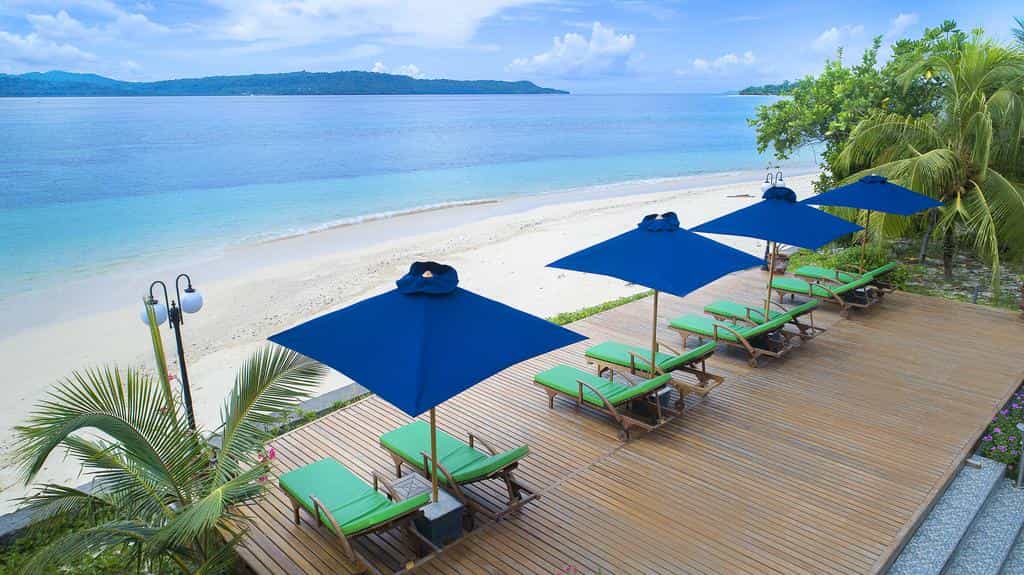
Data from various travel industry reports underscore this trend. For instance, a 2022 report by the U.S. Travel Association indicated that a significant portion of millennial spending is allocated to travel, with many prioritizing experiences over discretionary purchases. Similarly, studies by Booking.com have consistently shown that younger travelers are more likely to book trips based on unique experiences rather than just destinations. This indicates a deliberate choice to invest in personal enrichment and memory creation.
The psychological underpinnings of this shift are also noteworthy. Research in positive psychology suggests that investing in experiences leads to more lasting happiness and fulfillment than acquiring material possessions. Experiences create anticipation, provide rich memories, and are often shared, fostering social connections. These elements contribute to a deeper sense of well-being, which is a key driver for the modern generation’s lifestyle choices.
Embracing the "Lifestyle Travel" Mindset: Practical Strategies
For those looking to integrate this experiential approach into their lives, adopting a "lifestyle travel" mindset requires a conscious effort and a willingness to step outside comfort zones. This involves a strategic approach to planning, budgeting, and embracing the inherent uncertainties of exploration.
-
Cultivating Resolve and Courage: The first and perhaps most crucial step in adopting a lifestyle of travel is to cultivate a strong sense of determination and courage. This isn’t about waiting for an ideal financial scenario to materialize, but rather about making the commitment to explore with the resources currently available. This often means re-evaluating personal priorities and making conscious choices to allocate funds towards travel. The idea is to embrace the present and find ways to make travel a reality, rather than deferring it indefinitely. This proactive stance is key to turning aspirations into tangible experiences.
-
Embracing Spontaneity and Adaptability: While planning is essential, an overly rigid itinerary can often lead to missed opportunities. The true essence of lifestyle travel lies in embracing the unexpected and adapting to circumstances as they arise. This involves creating a general framework for a trip – a destination, a rough duration, and perhaps a few key activities – but remaining open to detours, local recommendations, and serendipitous encounters. The ability to navigate unforeseen challenges, such as weather changes, transportation disruptions, or unexpected cultural nuances, is not only a sign of a seasoned traveler but also a powerful tool for personal growth. This flexibility allows for a more authentic and immersive experience, often revealing hidden gems and unique cultural insights that a tightly controlled schedule might overlook.

-
Developing Adaptability and Open-mindedness: Traveling extensively inherently demands a high degree of adaptability. Navigating unfamiliar environments, interacting with diverse cultures, and communicating across language barriers require an open mind and a willingness to learn. This means being prepared to adjust to different social norms, customs, and ways of life. The ability to adapt is not just a practical skill for seamless travel; it is a fundamental aspect of personal development. Each new culture encountered, each different perspective encountered, broadens one’s understanding of the world and fosters empathy. This continuous learning process strengthens resilience and builds a more nuanced worldview.
Analysis of Implications: Beyond Personal Fulfillment
The growing trend of experiential investment through travel has broader implications for society and the economy.
Economic Impact: The surge in travel spending by younger generations directly fuels the global tourism industry. This includes a wide range of sectors, from hospitality and transportation to local businesses and artisanal crafts. As travelers increasingly seek authentic and sustainable experiences, there is a growing demand for eco-tourism, community-based tourism, and cultural immersion, prompting businesses to adopt more responsible practices.
Societal Evolution: The emphasis on experiences over possessions can lead to a more globally aware and interconnected populace. Travelers who immerse themselves in different cultures are more likely to develop a greater appreciation for diversity, foster cross-cultural understanding, and become advocates for global issues. This can contribute to a more tolerant and cooperative world.
Personal Development and Well-being: The continuous learning, problem-solving, and resilience-building inherent in lifestyle travel contribute significantly to individual well-being. It equips individuals with invaluable life skills, enhances creativity, and often leads to a profound sense of self-discovery. This can translate into more fulfilled and purpose-driven lives, benefiting not only the individual but also their communities.
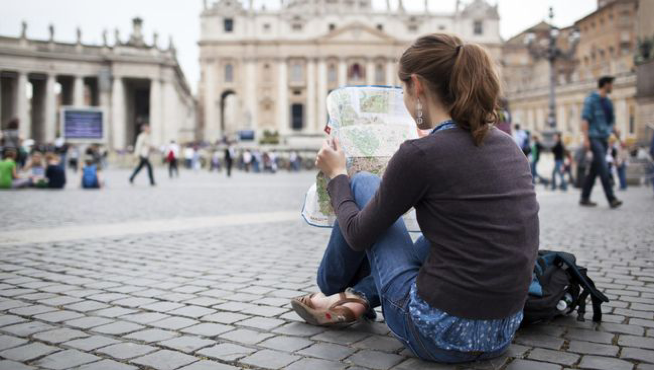
Challenges and Considerations:
While the rise of lifestyle travel is largely positive, it is not without its challenges. The financial commitment, even with a focus on experiences, can still be a barrier for many. Sustainable travel practices are also a growing concern, as increased tourism can place a strain on local environments and communities. Addressing these challenges will require innovative solutions in travel planning, budgeting, and responsible tourism promotion.
Conclusion:
The shift towards prioritizing experiences through travel represents a significant evolution in lifestyle choices. It signifies a generation that understands the intrinsic value of personal growth, cultural understanding, and the creation of indelible memories. By cultivating determination, embracing spontaneity, and fostering adaptability, individuals can effectively integrate this "lifestyle travel" into their lives, enriching their own journeys and contributing to a more connected and understanding world. The enduring legacy of such experiences often far outweighs the fleeting satisfaction of material accumulation, proving that the investment in oneself through exploration is indeed the most valuable currency.