Leah Halton Emerges as Coachella 2026’s Undisputed Style Icon, Igniting Global Social Media Frenzy

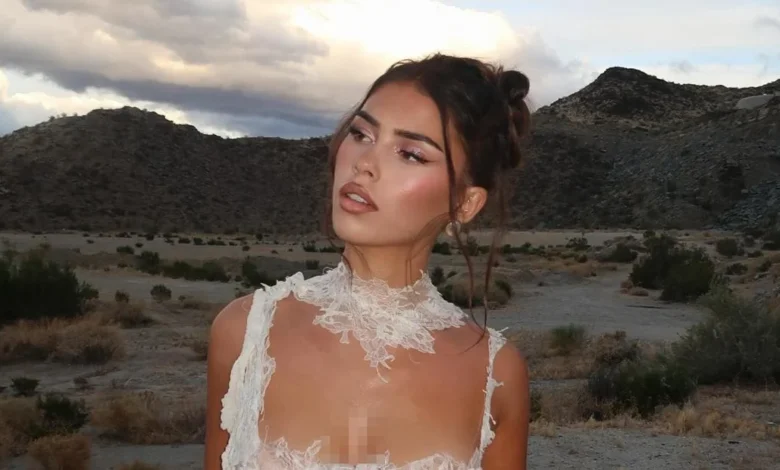
Australian influencer and TikTok sensation Leah Halton captivated audiences and dominated social media feeds during the first weekend of the Coachella Valley Music and Arts Festival in Indio, California, earning her the unofficial title of "the most beautiful girl" at the highly anticipated event. Her meticulously curated festival ensembles, coupled with her striking beauty, propelled her into the global spotlight, reinforcing the festival’s role as a prime stage for digital celebrity and fashion influence. The intense public and media attention surrounding Halton underscores the evolving dynamics of modern stardom, where digital virality translates into tangible cultural impact, often overshadowing traditional entertainment narratives.
From TikTok Stardom to Festival Icon: Halton’s Digital Ascent
Before her headline-grabbing appearance at Coachella 2026, Leah Halton had already carved out a significant niche for herself in the digital realm. A prominent Australian influencer, she had garnered a massive following across platforms, most notably on TikTok, where she previously achieved a monumental milestone. In February 2024, Halton’s lip-sync video to the popular song "Praise Jah In The Moonlight" by YG Marley became one of the most-liked TikTok videos globally, amassing over 185 million likes. This single piece of content propelled her into the upper echelons of TikTok fame, demonstrating her innate ability to connect with a vast, international audience and leverage trending sounds and aesthetics for widespread appeal.
Her viral "M to the B" lip-sync video, featuring Millie B’s "Soph Aspin Send," which she posted in early 2024, further solidified her status as a digital powerhouse. The video’s simple yet captivating format, combining a subtle head tilt with a lip-sync performance, resonated deeply with users, becoming a template for countless recreations and memes. This unprecedented digital success was not merely a fleeting moment; it established Halton as a formidable force in the creator economy, equipping her with a pre-existing platform and a highly engaged audience eager to follow her next moves. Her journey exemplifies how contemporary influencers can transcend niche digital communities to become mainstream cultural figures, blurring the lines between online presence and real-world celebrity. This prior trajectory set the stage for her Coachella debut, ensuring that her presence at the festival would be observed not just by attendees, but by millions worldwide monitoring social media.
Coachella 2026: A Curated Fashion Spectacle
The Coachella Valley Music and Arts Festival, held annually over two consecutive weekends in April at the Empire Polo Club in Indio, California, is more than just a music event; it is a global cultural phenomenon. Renowned for its eclectic musical lineups, immersive art installations, and, crucially, its status as a fashion barometer, Coachella attracts a diverse crowd of music enthusiasts, celebrities, and, increasingly, social media influencers. For many, the festival serves as a high-stakes runway, where meticulously planned outfits and carefully crafted aesthetics become as central to the experience as the live performances themselves. Brands heavily invest in activations and sponsorships, transforming the desert landscape into a vibrant ecosystem of experiential marketing, where influencers like Halton play a pivotal role in disseminating brand messages and setting trends.
Leah Halton’s arrival at Coachella’s first weekend (typically held April 10-12 in 2026) was no accident of timing; it was a strategic convergence of her burgeoning digital fame and the festival’s unparalleled platform for visibility. Throughout the three days, she consistently showcased ensembles that blended contemporary trends with the quintessential "Coachella aesthetic" – a fusion of bohemian chic, desert-ready practicality, and high-fashion sensibility. Each outfit was meticulously documented and shared across her social media channels, providing her millions of followers with a direct, curated glimpse into her festival experience.
Day-by-Day Style Diary
While details of her Day 1 attire were not explicitly highlighted in initial reports, her subsequent outfits clearly demonstrated a cohesive and impactful style strategy. On Day 2, Halton opted for a striking ensemble perfectly suited for the desert heat and festival atmosphere. She donned a form-fitting crop top paired with a daringly short mini skirt, both of which emphasized a youthful, playful aesthetic. This was complemented by sturdy, yet stylish, boots – a practical choice for navigating the dusty festival grounds while maintaining a fashion-forward edge. What particularly caught the attention of observers was her "flawless" makeup, which, despite the challenging conditions of the Indio desert – characterized by intense heat and dust – remained impeccable, a testament to professional styling and high-quality products, likely products of her sponsored partnerships.
For Day 3, Halton pivoted to a more overtly bohemian-haute style, showcasing her versatility. Her choice of a pearl-embellished lace bralette exuded a delicate yet luxurious feel, pairing intricate detailing with a free-spirited silhouette. This was expertly matched with a denim skirt, adding a touch of ruggedness and casual appeal that grounded the otherwise ethereal top. This combination exemplified the modern Coachella style: an effortless blend of high and low fashion, designed to be both visually stunning and comfortably worn for hours of music and movement. Her ability to transition seamlessly between different stylistic expressions while maintaining a consistent allure was a significant factor in her widespread appeal.
Her presence at the festival was not just about the clothes; it was about the entire influencer package. Based on her social media posts, Halton clearly enjoyed a "luxurious and comfortable" Coachella experience, indicative of the sponsored access often afforded to top-tier digital creators. This included VIP access, exclusive parties, and comfortable amenities, all of which contribute to the aspirational lifestyle portrayed to her audience, further enhancing her allure and the perceived glamour of her festival attendance.
Social Media Erupts: "Queen of Coachella" and Global Comparisons
The digital reaction to Leah Halton’s Coachella presence was immediate and overwhelming. Across platforms, particularly TikTok and Instagram, her posts and images went viral, generating an avalanche of praise and admiration from netizens worldwide. The comments section of her content became a vibrant forum for fans to express their awe, solidifying her status as a standout figure of the festival.
The Power of Viral Commentary
Among the multitude of compliments, several phrases emerged as recurrent themes, encapsulating the public’s perception of Halton’s beauty and charisma. Users frequently hailed her as the "Most beautiful girl alive," a powerful declaration of her impact. Another popular sentiment was "Face card never declines," an internet idiom signifying a person’s consistent and undeniable attractiveness, implying that her beauty is so exceptional it grants her metaphorical "privileges" or universal admiration. Perhaps the most resonant title bestowed upon her was "Queen of Coachella," a direct acknowledgment of her dominance over the festival’s visual narrative and her ability to capture collective attention amidst a sea of celebrities and influencers. These phrases, rapidly propagated through shares, likes, and comments, served to amplify her virality, turning individual observations into a collective digital coronation.
The engagement metrics associated with her Coachella content were staggering, with posts quickly accumulating millions of likes and thousands of comments. This organic virality, driven by genuine public sentiment, demonstrated the profound influence Halton wields over her digital audience. Her content transcended typical festival updates, becoming a cultural touchstone that sparked conversations about beauty, fashion, and the nature of internet fame.
Drawing Parallels: Thylane Blondeau and Evolving Beauty Standards
Adding another layer to the discourse surrounding Leah Halton’s beauty was the recurring comparison to Thylane Blondeau. Blondeau, a French model and actress, gained international fame as a child when she was controversially dubbed "the most beautiful girl in the world" by the media at a very young age. This comparison, frequently made by TikTok users, highlights several key aspects of contemporary beauty standards and media portrayal.
Firstly, it underscores the persistent human fascination with assigning singular titles of beauty, often elevating individuals to an almost mythical status. Secondly, it reflects a shared aesthetic preference that transcends geographical boundaries, linking Halton’s appeal to a previously established global benchmark of beauty. Thirdly, it speaks to the cyclical nature of media attention, where new figures are often contextualized by comparisons to past sensations. The invocation of Blondeau’s name not only validated Halton’s exceptional beauty in the eyes of many but also situated her within a lineage of figures recognized for their striking appearance from a young age.
This comparison also implicitly invites a discussion on the pressure and scrutiny that come with such public declarations of beauty, a phenomenon Blondeau herself navigated from childhood. For Halton, who operates primarily in the digital sphere, this comparison amplifies both her reach and the intense public gaze she now commands.
Halton’s Acknowledgment: Navigating Sudden Superstardom
Amidst the whirlwind of viral fame, Leah Halton herself acknowledged the unprecedented surge in her popularity. In a statement shared on her platforms, she expressed both surprise and gratitude for the rapid ascent of her public profile. "It’s incredible that this ‘explosion of popularity’ happened in such a short time," Halton remarked, reflecting on the swiftness with which her Coachella presence resonated globally. She extended a warm welcome to her burgeoning fanbase, stating, "And for those of you who are new followers, I hope you enjoy getting to know me."
This statement is indicative of a media-savvy influencer who understands the ephemeral nature of internet fame while also embracing its potential. Her acknowledgment serves multiple purposes: it validates the public’s excitement, fosters a sense of connection with new followers, and subtly positions her as a gracious recipient of newfound attention rather than someone who sought it overtly. Such a response is crucial for cultivating a loyal community and transforming momentary virality into sustained influence. It suggests a strategic awareness of her brand and a readiness to engage with the responsibilities and opportunities that come with an expanded platform. This measured yet enthusiastic response ensures that her "face card" extends beyond mere aesthetics to encompass a personable and relatable public persona.
Beyond the Buzz: The Broader Implications of Influencer Culture at Festivals
Leah Halton’s meteoric rise at Coachella 2026 is not an isolated incident but rather a potent illustration of several broader trends shaping the modern entertainment and digital landscape. Her story offers valuable insights into the evolving nature of celebrity, the power of influence marketing, and the symbiotic relationship between cultural events and social media.
The Symbiotic Relationship Between Brands and Talent
Coachella has long transcended its origins as a music festival to become a premier platform for brand activation and influencer marketing. In 2026, as in previous years, countless brands invested heavily in creating immersive experiences, exclusive parties, and sponsored content opportunities for top-tier influencers. Leah Halton’s "luxurious and comfortable" festival experience, as noted in the initial report, is a direct outcome of this ecosystem. Her presence, her outfits, and her flawless appearance likely involved collaborations with fashion labels, beauty brands, and lifestyle companies, all eager to leverage her massive reach and aspirational image.
For brands, sponsoring influencers at events like Coachella offers unparalleled access to targeted demographics, translating into authentic product placement and heightened brand visibility. For influencers, these sponsorships provide financial opportunities, enhance their public profile, and allow them to curate aspirational content that further engages their audience. Halton’s success at Coachella reinforces the effectiveness of this model, demonstrating how a compelling personal brand, combined with strategic partnerships, can generate significant buzz and measurable returns for all parties involved.
The Future of Digital Fame and Cultural Impact
Halton’s Coachella moment also highlights the accelerating pace at which digital fame can be achieved and the profound cultural impact it can wield. In an era dominated by short-form video content and instant global connectivity, individuals can transition from relative obscurity to international recognition in a matter of days or even hours. This phenomenon challenges traditional pathways to celebrity, emphasizing authenticity, relatability, and the ability to tap into collective online consciousness.
The comparison to Thylane Blondeau further underscores the enduring human fascination with beauty and the often-unpredictable nature of public adoration. While Blondeau’s fame was largely a product of traditional media, Halton’s is intrinsically linked to the digital sphere, where audience participation and collective commentary play a crucial role in shaping narratives. This shift indicates a democratization of taste-making, where the "most beautiful" or "most influential" are often crowned by the masses themselves through likes, shares, and viral commentary.
For Leah Halton, this explosion of popularity at Coachella 2026 likely marks a significant inflection point in her career. It could lead to a broader range of brand collaborations, potential for mainstream media appearances, and an expanded global following. However, the transient nature of internet fame also presents challenges, requiring continuous innovation, authentic engagement, and strategic content creation to maintain relevance. Her statement about hoping new followers enjoy getting to know her suggests an awareness of this ongoing need to cultivate and nurture her community.
Conclusion
Leah Halton’s captivating presence at Coachella 2026 was a defining moment of the festival’s first weekend, solidifying her status as a global influencer and a potent symbol of modern beauty and digital celebrity. Her ability to command attention through meticulously crafted fashion, unwavering charisma, and a pre-existing viral platform underscored the festival’s evolving role as a crucible for influencer culture. As social media continues to intertwine with major cultural events, figures like Halton demonstrate the immense power of digital platforms to elevate individuals into global icons, reshaping how we perceive fame, beauty, and influence in the 21st century. Her journey from a TikTok record-breaker to the "Queen of Coachella" serves as a compelling case study in the dynamic and ever-expanding landscape of online stardom.