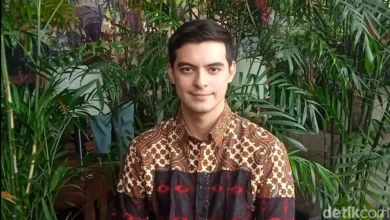
H. Faisal Uses Eid al-Adha to Instill Social Empathy and Religious Values in Grandson Gala Sky Andriansyah Amidst Family Traditions


Jakarta – In a poignant display of faith, family tradition, and profound social responsibility, Haji Faisal leveraged the solemn occasion of Eid al-Adha to impart invaluable life lessons to his sole grandson, Gala Sky Andriansyah. Surrounded by his extended family, the patriarch and father of the late Bibi Ardiansyah meticulously guided Gala through the rituals of the Islamic holiday, focusing on witnessing the process of Qurban (animal sacrifice) and cultivating a deep sense of social empathy from an early age. The activities, which unfolded on Wednesday, May 27, 2026, across various locations in West Jakarta, underscored Faisal’s unwavering commitment to shaping Gala’s character with compassion and an understanding of his spiritual heritage.
The Essence of Eid al-Adha: A Family Tradition
Eid al-Adha, often referred to as the "Festival of Sacrifice," is one of the two major Islamic holidays celebrated worldwide. It commemorates Prophet Ibrahim’s (Abraham’s) willingness to sacrifice his son Isma’il (Ishmael) as an act of obedience to God, before God intervened and provided a ram to be sacrificed instead. The tradition of Qurban involves the sacrifice of a permissible animal – typically a cow, goat, or sheep – and the subsequent distribution of its meat to family, friends, and, crucially, the less fortunate. This act serves as a reminder of devotion, gratitude, and the importance of charity, fostering a sense of community and shared joy. In Indonesia, a predominantly Muslim nation, Eid al-Adha is a deeply revered holiday, marked by communal prayers, family gatherings, acts of charity, and remembrance of ancestors. The communal spirit of giving is particularly strong, with millions of animals sacrificed annually, benefiting countless underprivileged families across the archipelago. For families like Faisal’s, it is not merely a religious observance but a vital opportunity to reinforce moral values and strengthen familial bonds.
A Journey of Remembrance and Giving: Chronology of Events
The day for the Faisal family commenced with the sacred communal Eid al-Adha prayers held at a local mosque near their residence. This collective act of worship, bringing together thousands of congregants, set a spiritual tone for the day, emphasizing unity and devotion. Following the prayers, the family embarked on a solemn pilgrimage, known as ‘ziarah,’ to the final resting places of the late Vanessa Angel and Bibi Ardiansyah. Ziarah, a deeply ingrained cultural and religious practice in Indonesia, involves visiting graves to pray for the deceased, reflect on life’s impermanence, and maintain a connection with loved ones who have passed. For Gala Sky, whose parents tragically died in a car accident in 2021, these visits are crucial for understanding his heritage and processing his loss within a supportive family framework, even at his tender age.
After these moments of spiritual reflection and remembrance, Haji Faisal guided Gala Sky to witness the Qurban process firsthand. The animals for sacrifice, a magnificent bull and several goats, had been meticulously prepared by Faisal’s children, Fujianti Utami (Fuji) and Fadly Faisal, demonstrating their independent commitment to the charitable tradition. "For me, the primary meaning is to invite my children to share, so that everyone can feel the joy of this Eid al-Adha," Faisal articulated during an interview in West Jakarta. This statement encapsulates his broader educational philosophy, highlighting the holiday as a conduit for teaching generosity and communal responsibility.
Nurturing Empathy: Gala Sky’s Introduction to Qurban
Faisal’s decision to involve Gala directly in the religious observance, despite his young age, was a deliberate pedagogical choice. He believes that early exposure to such activities is fundamental for developing a child’s understanding of social dynamics and the importance of altruism. "I brought Gala along; it’s natural, he’s a bit shy with his grandpa sometimes. But sharing cultivates a sense of care, a sense of empathy," Faisal elaborated. He observed that Gala initially displayed some shyness and a slight apprehension when approaching the large sacrificial animals, a common reaction for young children encountering such powerful creatures. However, Faisal viewed this not as a setback but as an integral part of the learning process—an opportunity for Gala to overcome initial fears, observe the ritual, and begin to grasp the underlying message of compassion and giving.
Child development experts often emphasize the importance of experiential learning in forming a child’s moral compass. Introducing children to acts of charity, even through observation, can lay crucial groundwork for empathy, generosity, and social awareness. For a child like Gala, who has experienced significant trauma and loss, such structured exposure to community rituals provides a sense of stability, belonging, and an understanding of the values that bind his family and community. This direct engagement transforms abstract concepts of giving into tangible experiences, fostering a deeper connection to his faith and culture.
The Young Generation’s Philanthropic Spirit: Fuji and Fadly’s Contributions
A source of immense pride for Haji Faisal was the proactive and independent initiative shown by his children, Fujianti Utami and Fadly Faisal, in preparing their Qurban animals this year. Unlike previous years where he might have prompted them, both Fuji and Fadly independently took responsibility for their contributions. Fuji, a prominent social media influencer, notably sacrificed a bull weighing an impressive 700 kilograms, a substantial contribution capable of feeding numerous families. Fadly Faisal, equally dedicated, also prepared a bull of similar weight, complemented by several goats. This significant commitment from his children underscores the successful transmission of philanthropic values within the family.
"My children, praise be to God, now have the initiative to perform Qurban without me having to ask. They’ve prepared it well in advance; they’re the ones who tell me where their bull will be slaughtered, where their Qurban will take place," Faisal remarked with evident satisfaction. This demonstration of self-driven charity by Fuji and Fadly not only honors their family’s traditions but also serves as a powerful example for their extensive fan bases. As public figures, their actions carry significant weight, potentially inspiring thousands of young people to engage in similar acts of generosity and community service. Their commitment reflects a maturity and a deep understanding of the responsibilities that come with their family name and their public platforms, extending the legacy of compassion championed by their late siblings, Bibi and Vanessa.
Expert Perspectives: The Psychological Impact of Early Altruism
The pedagogical approach adopted by H. Faisal aligns closely with principles advocated by child psychologists and educators regarding the development of empathy and social responsibility. Dr. Maya Sari, a Jakarta-based child psychologist specializing in trauma and development, commented on the significance of such early exposures. "For children, especially those who have experienced significant life changes like Gala Sky, consistent exposure to rituals that emphasize community, giving, and remembrance is incredibly beneficial," she explained, hypothetically. "It provides a stable framework for understanding the world, processing emotions, and developing a sense of self-worth through contribution. Witnessing Qurban, even if initially daunting, helps children understand the cycle of life, the concept of sacrifice for a greater good, and the tangible impact of charity on others."
Furthermore, religious scholars echo the sentiment that active participation in religious festivals is vital for spiritual growth. Ustaz Rahman Hidayat, a respected Islamic scholar, highlighted the prophetic tradition of teaching children about Qurban. "The Prophet Muhammad (PBUH) encouraged parents to involve their children in acts of worship and charity from a young age," he stated, providing a general religious context. "This instills love for Allah, compassion for fellow human beings, and an appreciation for blessings. H. Faisal’s efforts are commendable as they reflect the true spirit of Eid al-Adha – not just ritual, but profound character building." These expert insights underscore the multifaceted benefits of Faisal’s carefully planned Eid al-Adha activities for Gala’s holistic development.
Beyond the Sacrifice: H. Faisal’s Philosophy of Upbringing
Haji Faisal’s parenting philosophy extends beyond mere religious observance; it is a holistic approach centered on character formation and community engagement. He views the combination of ziarah and Qurban as a comprehensive package for teaching critical life lessons. "So, from a young age, we invite them to participate, including ziarah, which is undoubtedly about caring for parents who have passed, caring for relatives, and caring for the community," he asserted. "If we have blessings, we share." This statement encapsulates his belief that respect for ancestors, care for family, and generosity towards the community are interconnected virtues that must be nurtured from childhood.
His consistent emphasis on these values is particularly crucial for Gala, who represents the continuity of the family line and the legacy of his parents. Faisal’s dedication ensures that Gala will grow up not only aware of his family history but also equipped with a strong moral compass and a sense of responsibility towards society. This proactive approach to instilling values contrasts sharply with more passive forms of upbringing, demonstrating a deep commitment to ensuring Gala’s well-being extends beyond material comfort to include robust spiritual and social development. The family’s public platform amplifies this message, showcasing how a prominent family navigates grief and resilience through faith and communal action.
Broader Implications: Public Figures as Role Models for Social Responsibility
The actions of H. Faisal and his family during Eid al-Adha carry broader societal implications, particularly concerning the role of public figures as moral exemplars. In an era where celebrity influence is immense, the Faisal family’s deliberate choice to use their visibility to promote traditional values of empathy, charity, and familial respect sets a powerful precedent. Their narrative, interwoven with tragedy and resilience, resonates deeply with many Indonesians, making their educational efforts for Gala all the more impactful.
Their open embrace of these traditions serves as a reminder that genuine philanthropy and character development are vital, regardless of social status. It encourages other families, both public and private, to actively engage children in meaningful community and religious practices. The scale of Fuji and Fadly’s contributions, along with their independent initiative, also highlights a growing trend among younger generations of public figures to embrace social responsibility. This intergenerational commitment to values, publicly demonstrated, contributes positively to the national discourse on family, faith, and the collective welfare of society. By consistently prioritizing these principles, H. Faisal and his family are not just raising a grandson; they are subtly influencing a broader cultural narrative, reinforcing the enduring importance of compassion and community in modern Indonesian life.