WhatsApp Prepares Granular Privacy Controls to Allow Users to Hide Phone Numbers from Specific Contacts via Usernames

The landscape of digital communication is undergoing a seismic shift regarding user privacy, and Meta-owned WhatsApp is leading the charge with a groundbreaking feature currently winding its way through the development pipeline. In an era where digital footprints are meticulously scrutinized, instant messaging platforms are under immense pressure to offer advanced safeguards that protect personal identifiers. Addressing this modern imperative, WhatsApp is reportedly developing a comprehensive privacy control mechanism designed to give users unprecedented authority over who can view their phone numbers, even among individuals with whom they have already established communication channels.
This upcoming enhancement builds directly upon the groundwork laid by WhatsApp’s previously introduced username feature. Traditionally, mobile applications requiring phone numbers as primary account identifiers exposed users to potential privacy risks, forcing them to share sensitive personal data simply to connect with acquaintances, colleagues, or commercial entities. The introduction of usernames was a monumental step toward mitigating this vulnerability, allowing individuals to interact via unique textual identifiers rather than raw phone digits. However, the initial iteration of the username feature left certain gaps in dynamic, ongoing relationships. The newly discovered development aims to bridge these gaps by introducing highly specific visibility filters, particularly tailored for Android users exploring the beta ecosystem.
Decoding the Mechanics of the New Privacy Architecture
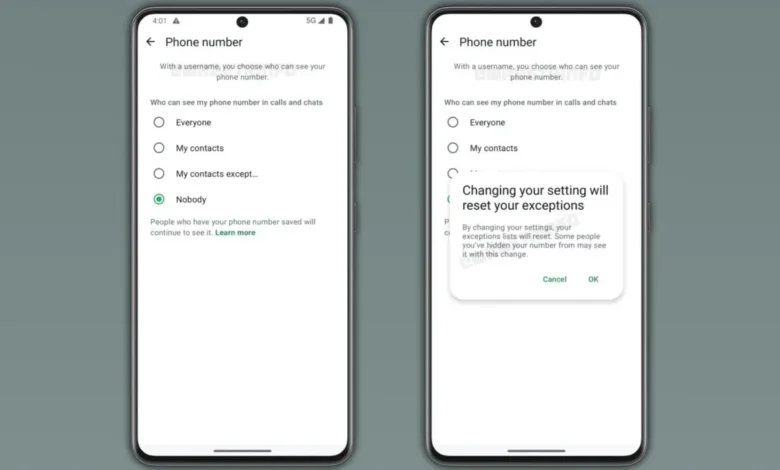
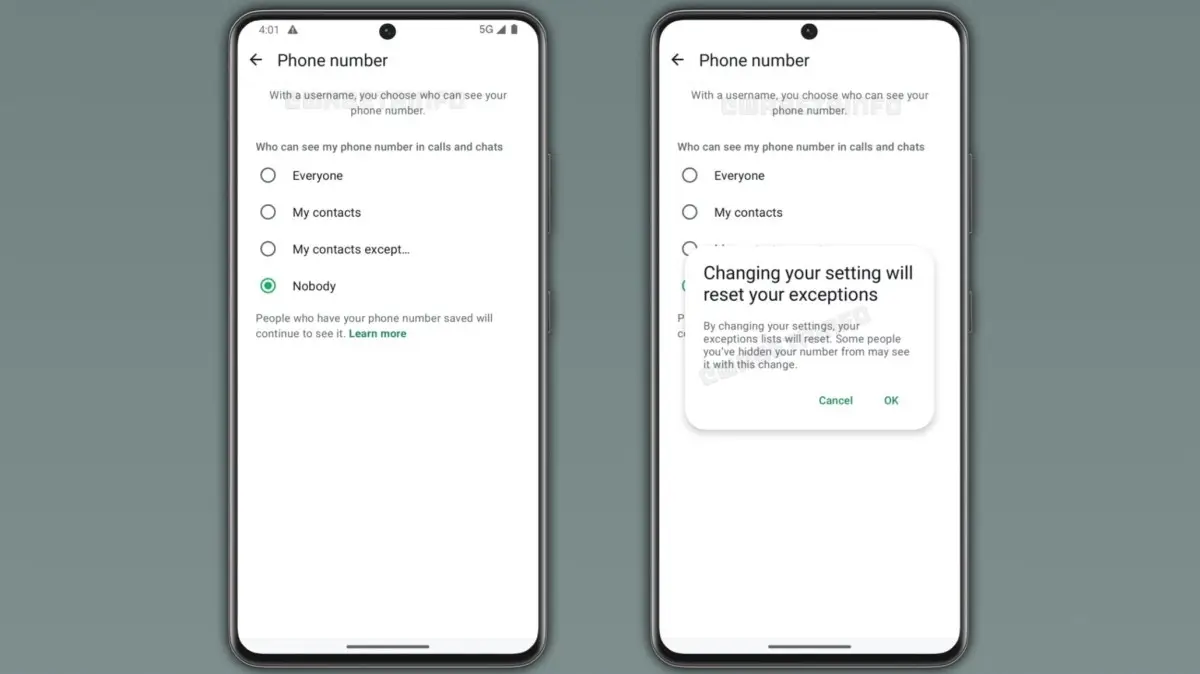
According to insights unearthed from recent Android beta builds—specifically version 2.26.45.1, as analyzed by prominent industry trackers such as WABetaInfo—the messaging giant is engineering a robust four-tier visibility framework. When this feature officially rolls out, users utilizing usernames will be greeted with a familiar yet significantly expanded set of privacy choices: Everyone, My contacts, My contacts except…, and Nobody.
This granular approach transforms how personal metadata is shared across the platform. For instance, the "My contacts except…" option introduces a negative-selection capability, empowering users to curate an exclusion list. If a user connects with someone via a username but later wishes to revoke that individual’s access to their primary phone number without completely severing the chat thread, they can selectively block visibility. This capability provides a nuanced middle ground that previously did not exist, moving past the rigid binary choices of total exposure or complete anonymity.
Industry experts analyzing these developments note a critical nuance within the platform’s architecture. The upcoming privacy settings are fundamentally engineered to govern interactions stemming from username connections. They do not retroactively strip phone number access from individuals who have already saved the user’s direct contact details through traditional means—such as manual entry or address book synchronization. Consequently, the feature functions as an advanced perimeter defense for incoming connections originating from the public or semi-public domain of usernames, rather than a retroactive eraser for established personal circles.
Contextualizing the Evolution of WhatsApp Privacy
To fully appreciate the significance of this development, one must examine the broader historical trajectory of WhatsApp’s privacy roadmap. For over a decade, the platform operated strictly on a phone-number-centric model. Every account was immutably tied to a SIM card and a corresponding 10-to-15-digit mobile number. While this ensured high accountability and streamlined contact discovery via address book synchronization, it created glaring privacy vulnerabilities. Users frequently found themselves forced to share personal phone numbers in public forums, marketplace listings, or professional networking scenarios, leading to unwanted solicitations, spam, and potential harassment.
Recognizing these systemic challenges, Meta initiated a multi-year pivot toward enhancing user anonymity. The introduction of usernames was conceptualized as the ultimate antidote to phone-number exposure, aligning WhatsApp with competing platforms like Telegram and Signal, which have long championed handle-based communication. Yet, as digital security researchers frequently emphasize, privacy is not a static destination but a continuous negotiation between accessibility and protection.
As usernames gained traction in internal testing and early public rollouts, beta testers and privacy advocates highlighted scenarios where initial pseudonymity dissolved the moment a conversation progressed. Once a chat was initiated via username, the underlying phone number often remained accessible under standard contact inspection protocols unless specific mitigating steps were taken. The new visibility settings represent WhatsApp’s direct response to these feedback loops, ensuring that the protective veil of a username is maintained for as long as the user deems necessary.
Chronology of Development and Current Status
The journey toward this comprehensive privacy framework has been methodical, reflecting Meta’s cautious approach to altering foundational communication protocols. The conceptual foundation was laid during the initial architectural planning of the username feature, which spent months in closed internal testing before seeing light in early beta releases.
Following the stabilization of usernames, developers identified the need for advanced filtering options. The specific code and user interface elements governing the "My contacts except…" visibility matrix for phone numbers were first detected in late 2026 within Android beta packages. Code sleuths examining the APK files of version 2.26.45.1 uncovered strings and layout designs dedicated to the feature, though the functionality remains locked behind internal flags and is not yet accessible even to registered public beta testers.
As part of the deployment preparation, developers have also integrated warning prompts into the user interface workflow. When a user alters their primary phone number visibility settings, the system will trigger an alert notifying them that sweeping changes could inadvertently reset or clear previously established exception lists. This preventative UX design aims to minimize user error and accidental exposure of sensitive metadata.
Strategic Implications and Market Analysis
The introduction of granular phone number concealment carries profound implications for both individual users and the broader digital ecosystem. From a consumer perspective, the feature significantly lowers the barrier to entry for professional networking, customer service interactions, and casual social engagement. Individuals who rely on WhatsApp for business purposes—such as independent contractors, online vendors, and content creators—can now engage with clients freely via usernames without sacrificing their personal privacy or exposing their primary phone lines to potential abuse.
From a competitive standpoint, this move narrows the feature gap between WhatsApp and its primary rivals. While platforms like Telegram have historically dominated the handle-based messaging market precisely due to their superior anonymity features, WhatsApp’s immense global user base—surpassing two billion active monthly users—gives any privacy enhancement deployed on the platform massive systemic weight. By combining end-to-end encryption with advanced metadata concealment, Meta is positioning WhatsApp as a secure enterprise-grade communication tool disguised as a consumer messaging app.
However, security analysts also point out potential administrative challenges. As privacy controls become increasingly granular, the complexity of the user interface scales upward. Balancing a seamless, intuitive user experience with deep, highly technical privacy settings remains a perennial challenge for product designers at Meta. Ensuring that everyday users comprehend the precise boundaries of "My contacts except…" versus traditional address book sharing will be critical to the feature’s successful adoption.
Looking Ahead: The Path to Official Release
At present, official communication from Meta regarding a definitive release date remains scarce. True to the company’s standard operating procedures for experimental features, development is taking place behind closed doors within internal staging environments. Once the stability checks and user interface optimizations are completed, the feature is expected to transition to the Google Play Beta Program for broader testing before eventually achieving a stable, public-facing rollout for Android and, presumably, iOS devices.
Until that time, users eagerly anticipating total freedom from phone number exposure via usernames must exercise patience. The steady progression of these beta features underscores a clear corporate commitment: transforming WhatsApp from a traditional telecom-tied messaging service into a modern, privacy-first digital communication hub where user identity is strictly governed by personal choice rather than technological constraints.