Comprehensive Medical Guide to Amaryl for Type 2 Diabetes Management Dosage Efficacy and Patient Safety Protocols

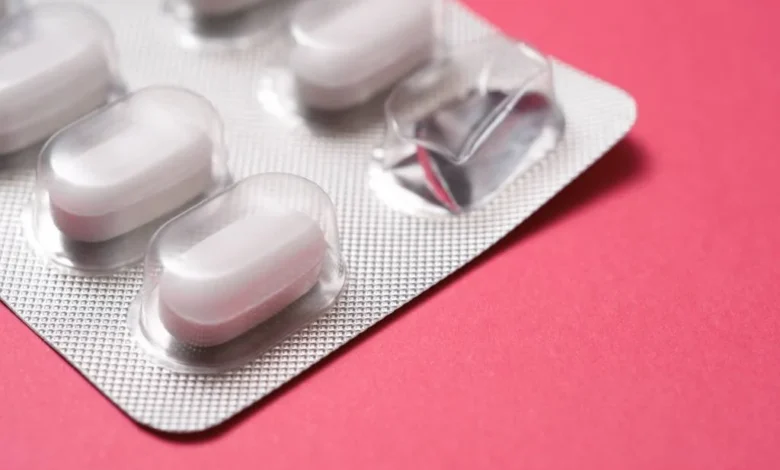
Amaryl, a widely recognized brand name for the active pharmaceutical ingredient glimepiride, remains a cornerstone in the pharmacological management of Type 2 Diabetes Mellitus (T2DM). As a third-generation sulfonylurea, it is specifically designed to assist adult patients in maintaining glycemic control when lifestyle modifications, such as dietary changes and increased physical activity, prove insufficient on their own. The medication functions through a sophisticated dual mechanism: it stimulates the release of insulin from the beta cells of the pancreas and enhances the body’s sensitivity to existing insulin. In a global landscape where the prevalence of diabetes continues to rise—affecting approximately 537 million adults according to the International Diabetes Federation (IDF)—understanding the nuances of medications like Amaryl is critical for both healthcare providers and patients. This comprehensive report explores the pharmacological profile, clinical application, safety considerations, and broader public health implications of Amaryl in modern medicine.
The Pharmacological Mechanism of Glimepiride
To understand how Amaryl functions, one must first grasp the pathophysiology of Type 2 Diabetes. Unlike Type 1 Diabetes, where the body produces little to no insulin, Type 2 is characterized by insulin resistance and a progressive decline in pancreatic function. Amaryl belongs to the sulfonylurea class, specifically the third generation, which is noted for having a lower risk of hypoglycemia compared to first-generation counterparts like tolbutamide.
The primary action of glimepiride occurs within the islets of Langerhans in the pancreas. It binds to specific receptors on the surface of pancreatic beta cells, which triggers the closure of ATP-sensitive potassium channels. This closure leads to the depolarization of the cell membrane, opening voltage-gated calcium channels. The resulting influx of calcium ions stimulates the exocytosis of insulin-containing granules, thereby increasing the amount of insulin circulating in the bloodstream. Beyond this "secretagogue" effect, Amaryl is believed to have extrapancreatic effects, potentially increasing the number of glucose transporter proteins (GLUT4) in muscle and fat cells, which improves the uptake of glucose from the blood.
Clinical Application and Dosage Titration
The administration of Amaryl is a highly individualized process, requiring careful monitoring of blood glucose levels to determine the optimal dose. It is available in several strengths, typically 1 mg, 2 mg, 3 mg, and 4 mg tablets. Clinical guidelines emphasize a "start low, go slow" approach to minimize the risk of sudden drops in blood sugar.
The standard starting dose for most patients is 1 mg taken once daily, usually with breakfast or the first main meal of the day. If the patient’s blood glucose levels do not reach the target range after one to two weeks of treatment, the physician may increase the dose incrementally to 2 mg, then 4 mg, and in rare cases, up to a maximum of 8 mg per day. However, clinical data suggests that doses higher than 4 mg often yield diminishing returns in terms of HbA1c reduction while significantly increasing the risk of adverse effects.
Consistency is paramount when taking Amaryl. Patients are advised to take the medication at the same time every day to maintain stable plasma concentrations. If a dose is missed, it should never be doubled; instead, the patient should resume their normal schedule with the next meal. The ultimate goal of this regimen is to lower the Glycated Hemoglobin (HbA1c) levels—a three-month average of blood sugar—to below 7% for most non-pregnant adults.
Patient Safety Profile and Adverse Reactions
While Amaryl is highly effective, it is not without risks. The most significant and common side effect is hypoglycemia (abnormally low blood sugar). This condition can manifest through symptoms such as dizziness, excessive sweating, tremors, palpitations, intense hunger, and confusion. In severe cases, untreated hypoglycemia can lead to seizures or loss of consciousness. Patients are frequently educated on "the rule of 15"—consuming 15 grams of fast-acting carbohydrates (like glucose tablets or juice) and rechecking blood sugar after 15 minutes if they suspect a hypoglycemic event.
Other potential side effects include:
- Gastrointestinal Issues: Some patients report nausea, vomiting, or a feeling of fullness in the upper abdomen.
- Dermatological Reactions: Rare allergic reactions such as skin rashes, itching, or hives may occur.
- Weight Gain: Because insulin is an anabolic hormone, the increased secretion stimulated by Amaryl can lead to modest weight gain, which can be counterproductive for some diabetic patients.
- Hematologic Changes: In very rare instances, changes in blood cell counts (leukopenia or thrombocytopenia) have been observed, requiring periodic blood monitoring.
Furthermore, Amaryl is classified under Pregnancy Category C. Animal studies have indicated potential risks to the fetus, and there is insufficient data from well-controlled human trials. Consequently, healthcare providers generally recommend that pregnant women or those planning to conceive transition to insulin therapy, which provides more precise control without the risks associated with oral antidiabetics.
Drug Interactions and Contraindications
Amaryl’s efficacy and safety can be significantly altered when combined with other substances. Polypharmacy—the use of multiple medications—is common among diabetes patients who often suffer from comorbid conditions like hypertension or dyslipidemia.
Several classes of drugs can enhance the blood-sugar-lowering effect of Amaryl, increasing the risk of hypoglycemia. These include Non-Steroidal Anti-Inflammatory Drugs (NSAIDs) like ibuprofen, certain antibiotics (sulfonamides), and anticoagulants like warfarin. Conversely, medications such as corticosteroids, thiazide diuretics, and certain thyroid hormones can antagonize the effects of Amaryl, leading to hyperglycemia (high blood sugar).
Alcohol consumption is a particular concern for patients on Amaryl. Alcohol can inhibit the liver’s ability to release glucose into the blood, potentially masking the symptoms of hypoglycemia or prolonging its duration. Additionally, beta-blockers, often prescribed for heart conditions, can mask the "warning signs" of low blood sugar, such as a rapid heartbeat, making it harder for a patient to recognize an impending crisis.
The Global Context: Diabetes Prevalence and Economic Impact
The use of Amaryl must be viewed through the lens of a global health crisis. According to the World Health Organization (WHO), the number of people with diabetes rose from 108 million in 1980 to 422 million in 2014. Prevalence has been rising more rapidly in low- and middle-income countries. In Indonesia, for instance, the source of the original report, the Ministry of Health has noted a steady increase in T2DM cases linked to urbanization and changing dietary habits.
The economic burden of diabetes is staggering. Beyond the cost of the medication itself—which is relatively affordable in its generic form (glimepiride)—the true cost lies in the management of complications. Poorly controlled diabetes leads to kidney failure, lower-limb amputations, blindness, and cardiovascular disease. By providing an accessible and effective means of glucose control, Amaryl plays a vital role in reducing the long-term strain on public health infrastructures.
Integrating Amaryl into a Holistic Lifestyle
Medical experts stress that Amaryl is not a "magic bullet." The American Diabetes Association (ADA) and the European Association for the Study of Diabetes (EASD) emphasize that pharmacological intervention should always be an adjunct to lifestyle management.
A "diabetes-friendly" lifestyle involves:
- Medical Nutrition Therapy (MNT): Focusing on complex carbohydrates with a low Glycemic Index (GI), lean proteins, and healthy fats to prevent postprandial glucose spikes.
- Physical Activity: Regular aerobic exercise and resistance training improve insulin sensitivity, allowing Amaryl to work more effectively at lower doses.
- Routine Monitoring: Frequent Self-Monitoring of Blood Glucose (SMBG) provides the data necessary for doctors to adjust dosages accurately.
Future Outlook and Comparative Analysis
In recent years, the diabetes treatment landscape has seen the emergence of newer drug classes, such as SGLT2 inhibitors (which cause the kidneys to excrete excess sugar) and GLP-1 receptor agonists (which slow gastric emptying and promote weight loss). While these newer drugs offer cardiovascular and renal benefits, Amaryl remains a staple in clinical practice due to its proven track record, potent glucose-lowering ability, and cost-effectiveness.
For many patients, especially in developing economies, the high cost of newer biologics makes them inaccessible. Amaryl provides a reliable, oral option that can be integrated into primary care settings. However, the future of T2DM management is moving toward "precision medicine," where a patient’s genetic profile and specific metabolic needs determine whether a sulfonylurea like Amaryl or a different class of medication is the most appropriate first-line or second-line therapy.
Conclusion
Amaryl (glimepiride) represents a vital tool in the fight against Type 2 Diabetes. Its ability to effectively lower blood glucose through pancreatic stimulation and improved insulin utilization has saved countless patients from the debilitating complications of hyperglycemia. However, its use requires a disciplined approach involving medical supervision, regular glucose monitoring, and a commitment to a healthy lifestyle. As the medical community continues to battle the global diabetes epidemic, medications like Amaryl remain essential components of a multifaceted strategy to improve patient outcomes and enhance quality of life. Patients are urged to consult with their healthcare providers to ensure that Amaryl is used safely and effectively as part of a comprehensive diabetes care plan.