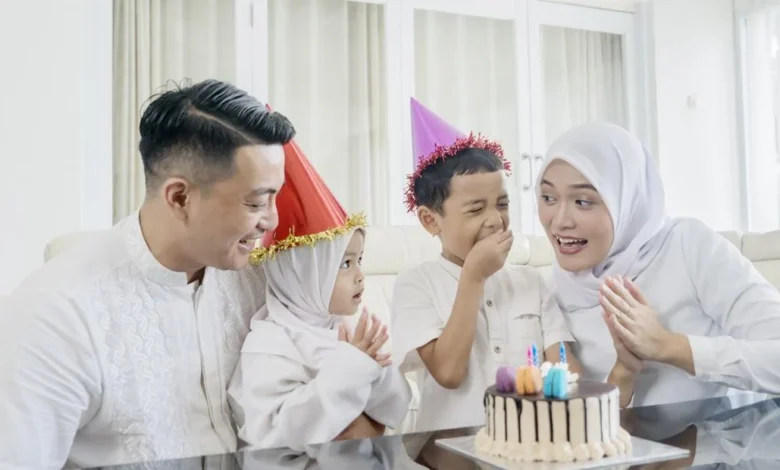
The annual observance of a child’s birthday remains one of the most significant milestones for modern families, acting as a designated cultural and emotional checkpoint for parents to evaluate child development, familial bonds, and future aspirations. Developmental psychology literature frequently highlights that parental validation and emotional expression during formative years significantly contribute to a child’s baseline self-esteem, emotional regulation, and psychological resilience. As family structures continue to evolve in contemporary urban societies, structured forms of emotional communication—such as written birthday dedications, keepsake cards, and digital journal entries—have transformed from mere tradition into vital tools for emotional bonding between parents and male children.
In response to the recurring parental need for articulate, meaningful expressions of affection, family life consultants and parenting experts have emphasized the importance of balancing high aspirations with unconditional emotional support. Research in child development indicates that boys, in particular, often navigate societal pressures regarding emotional suppression and achievement-based self-worth. Consequently, modern parenting frameworks strongly advocate for birthday messages that explicitly decouple a child’s intrinsic value from academic or athletic successes. The curated collection of forty heartfelt birthday wishes—spanning both Indonesian and English linguistic traditions—addresses this psychological nuance by offering parents a versatile lexicon to communicate unconditional love, spiritual guidance, and ethical grounding.
The sociological timeline of celebrating children’s milestones has undergone a notable shift over the past several decades. Historically, birthdays within many developing economies were marked primarily by communal gatherings or modest religious expressions of gratitude. Today, globalization and digital connectivity have merged these traditional observances with contemporary practices, such as personalized greeting cards, bilingual expressions, and permanent digital preservation via social media captions. This evolution reflects a broader cultural trend where parents increasingly seek to document their children’s life trajectories through deliberate, articulate language that can be revisited as the child transitions into adolescence and adulthood.
Child psychologists and family counselors observing these communication patterns note that written messages serve as a psychological anchor for children during developmental transitions. According to developmental observations, when parents articulate their hopes, fears, and unconditional support through written mediums, it provides children with a tangible reference point during periods of personal uncertainty or adolescent stress. Clinical insights suggest that messages emphasizing character development, empathy, and resilience over mere material or academic achievements foster a healthier self-concept in young males, mitigating the risk of anxiety associated with high-performance expectations.
The broader implications of intentional parenting communication extend into societal structures at large. Sociologists studying family dynamics argue that redefining how parents communicate affection and expectations to young boys plays a critical role in shaping emotionally intelligent future generations. By deliberately incorporating themes of empathy, gender-neutral emotional expression, and moral integrity into everyday milestones like birthdays, families actively contribute to shifting traditional paradigms of masculinity. This gradual cultural adjustment supports the cultivation of men who are better equipped for interpersonal communication, emotional resilience, and community leadership.
As parents continue to navigate the complexities of raising children in an increasingly digital and fast-paced world, resources providing structured emotional vocabulary remain highly relevant. Whether utilized in traditional greeting cards, personal journals, or direct verbal affirmations, these carefully crafted messages offer a reliable framework for bridging generational gaps and reinforcing the foundational security every child requires. The enduring popularity of such curated linguistic guides underscores a universal parental desire: to leave an indelible, comforting mark on their children’s lives that transcends the momentary celebrations of a single day.