Comprehensive Checklist for Hospital Admission: Essential Preparations for Expectant Parents During Childbirth

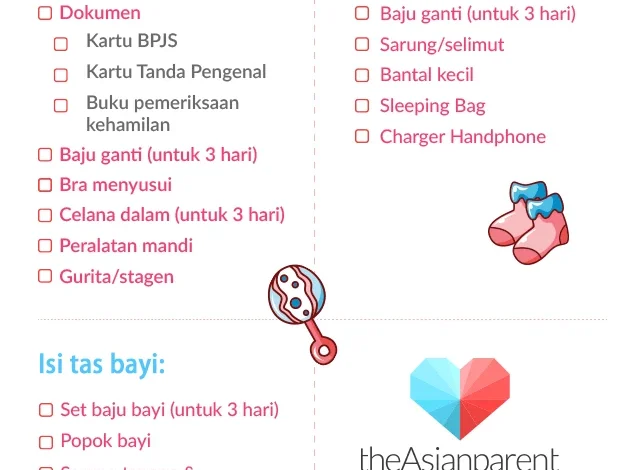
The transition into parenthood is a significant life event that requires meticulous planning, particularly concerning the logistics of hospital admission. For expectant parents, the period leading up to the Estimated Date of Delivery (EDD) is characterized by a mix of anticipation and practical necessity. Medical professionals and birth experts strongly advise that hospital bags be packed and finalized at least four weeks prior to the expected due date. This proactive approach mitigates the stress associated with the onset of labor, ensuring that all essential documents, personal items, and newborn necessities are readily available.
The logistical coordination of childbirth involves more than just medical readiness; it requires a structured preparation of assets to facilitate a seamless transition from home to the maternity ward. According to maternal health guidelines, failure to prepare these items in advance can lead to unnecessary disruptions during the critical hours of labor and the immediate postpartum period.
Strategic Planning and Document Preparation
The cornerstone of hospital preparation is the organization of essential administrative and medical documentation. A well-prepared "birth folder" acts as a primary communication tool between the parents and the medical team. This folder should contain valid government-issued identification, such as a passport or driver’s license, health insurance cards, and a comprehensive set of medical records, including prenatal laboratory results and the Mother and Child Health (KIA) book.

Furthermore, the inclusion of a formal birth plan—a document outlining the parents’ preferences for labor, delivery, and immediate postpartum care—is increasingly recommended by obstetricians. This document serves to align the parents’ expectations with the clinical capabilities of the hospital. Key elements to include in a birth plan are preferences regarding pain management, such as the use of epidurals, the choice between vaginal or cesarean delivery, and protocols for immediate postpartum procedures like delayed cord clamping or skin-to-skin contact. Experts note that having multiple copies of this document—one for the attending physician, one for the nursing staff, and one for the partner—ensures that the clinical team remains informed of the parents’ wishes throughout the labor progression.
Maternal Essentials: Navigating Postpartum Comfort
Hospital stays for childbirth typically range from 48 to 72 hours for uncomplicated vaginal deliveries, and longer for cesarean sections. Consequently, maternal comfort is paramount. While hospitals provide standard gowns, many clinicians suggest that bringing personal clothing can significantly improve maternal well-being.
Recommended attire includes loose-fitting garments that facilitate easy access for clinical examinations and blood pressure monitoring. For nursing mothers, clothing that allows for skin-to-skin contact is essential, as this practice is clinically proven to regulate the newborn’s heart rate, temperature, and stress levels. Furthermore, specialized maternity undergarments and nursing bras are vital. The postpartum period often involves significant physiological changes; therefore, selecting items that accommodate physical recovery—such as high-waisted cotton underwear for those recovering from C-section incisions—is crucial.
Personal hygiene remains a priority, and while most medical facilities provide basic toiletries, the psychological benefit of using familiar products cannot be overstated. A compact, hanging toiletry kit containing facial cleansers, moisturizers, and deodorants can streamline the daily routine during a hectic hospital stay. Additionally, while the hospital provides maternity pads, many women opt to bring their own preferred brands to ensure maximum comfort and protection during the initial days of postpartum bleeding.

Clinical Support Tools: Nursing and Lactation
The initiation of breastfeeding is a critical milestone in the first hours of life. To support this, specialized equipment such as a nursing pillow is highly recommended. These pillows are ergonomically designed to support the infant’s weight, thereby reducing strain on the mother’s neck, shoulders, and back—areas that are particularly sensitive following the physical exertion of labor.
In instances where the newborn requires observation in a neonatal unit, the mother may be separated from the infant. In these cases, the availability of a hospital-grade or high-quality portable breast pump is essential. Early expression of breast milk not only ensures that the newborn receives colostrum—the nutrient-rich first milk—but also stimulates milk production and helps prevent complications such as mastitis or clogged milk ducts. Having a pump ready in the hospital bag allows mothers to begin their lactation journey immediately, even in the absence of the infant.
Newborn Requirements: From Delivery to Discharge
The arrival of a newborn necessitates a specialized set of items focused on warmth, protection, and hygiene. Although hospitals provide basic newborn clothing, parents often prefer to bring a selection of soft, cotton-based outfits for the duration of the stay.
Crucially, the items required for discharge must be carefully considered. This includes seasonally appropriate clothing, a hat, and soft booties or socks. Diapers, both cloth and disposable, should be packed, along with sensitive-skin-friendly baby wipes. A common oversight involves the newborn’s grooming; because infants are born with long, delicate nails that can inadvertently scratch their faces, a set of infant-specific nail clippers or a gentle emery board is an indispensable addition to the nursery kit.

The Role of the Supporting Partner
The role of the partner or spouse during childbirth is multifaceted, involving both emotional support and logistical management. Consequently, the partner’s "go-bag" is an essential component of the overall preparation. This bag should contain comfortable clothing for a multi-day stay, as well as items to facilitate rest, such as a personal pillow, a sarong, or a light sleeping bag, particularly if the hospital facilities are limited in terms of sleeping accommodations for guests.
Technology plays a vital role in the modern birthing experience. Ensuring that mobile devices, chargers, and external power banks are included allows parents to communicate with family, document the experience, and access information. Furthermore, given the unpredictable nature of hospital stays, the partner should be equipped with healthy snacks and water to ensure they maintain the energy required to support the laboring mother.
Broader Implications and Institutional Guidelines
The systematic organization of these items reflects a broader shift toward patient-centered care in modern obstetrics. Hospitals are increasingly encouraging parents to be active participants in their birth experience, and the preparation of a hospital bag is the first step in this collaborative process.
Data from maternal health organizations suggest that proactive preparation correlates with lower anxiety levels among expectant parents. By having a clear, organized inventory of needs, families can focus their attention on the clinical aspects of the birth rather than the logistical shortcomings. It is important, however, for parents to confirm specific hospital policies regarding personal items, as some facilities have restricted space or specific protocols regarding electrical appliances and outside food.

Final Checklist Summary for Success
To ensure no item is overlooked, it is recommended that parents compile a digital or physical checklist. This list should be categorized into three main segments: maternal needs, newborn essentials, and partner support items.
- Administrative: ID, insurance card, medical records, birth plan.
- Maternal: Loose clothing, nursing bras, toiletries, postpartum pads, nursing pillow, breast pump.
- Newborn: Soft onesies, diapers, wipes, swaddle blankets, grooming kit (nail clippers), car seat (pre-installed).
- Support/Partner: Change of clothes, sleeping gear, snacks, camera/phone charger, toiletries, personal medications.
By following these guidelines, parents can transition into the hospital environment with a sense of security and readiness. As the due date approaches, the physical act of organizing these bags serves as a final, grounding step in the long journey toward welcoming a new family member. Preparation, while seemingly mundane, provides the stability required to navigate one of life’s most profound transitions with confidence and composure.