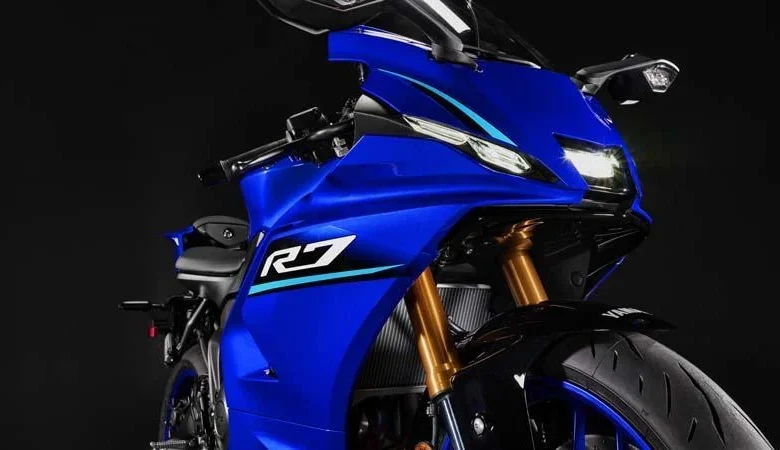
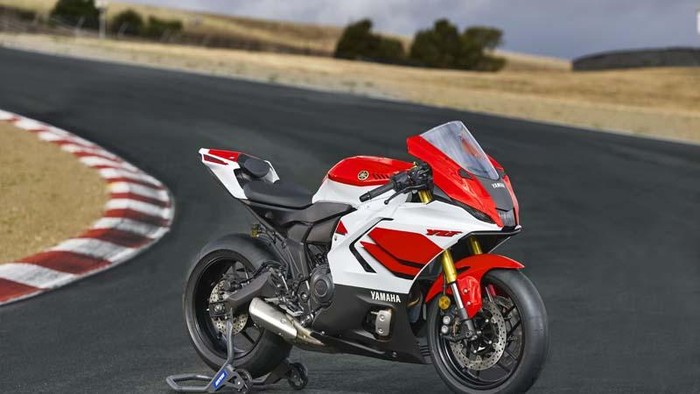
Yamaha has officially launched the updated 2026 YZF-R7, a sportbike designed to bridge the gap between its popular R-Series models and track-focused supersports. The new iteration, revealed in Thailand, boasts a refined aerodynamic fairing, updated electronic rider aids, and retains its potent CP2 engine. This strategic update aims to solidify the YZF-R7’s position as a compelling option for riders seeking accessible yet thrilling performance, particularly in the growing middleweight sportbike segment. The 2026 YZF-R7 is priced at 345,000 Thai Baht (approximately $9,500 USD at current exchange rates), with a special 70th Anniversary Edition in "Anniversary White" available for 348,000 Thai Baht (approximately $9,580 USD).
Design Evolution: Embracing the "Beauty of Turning Control"
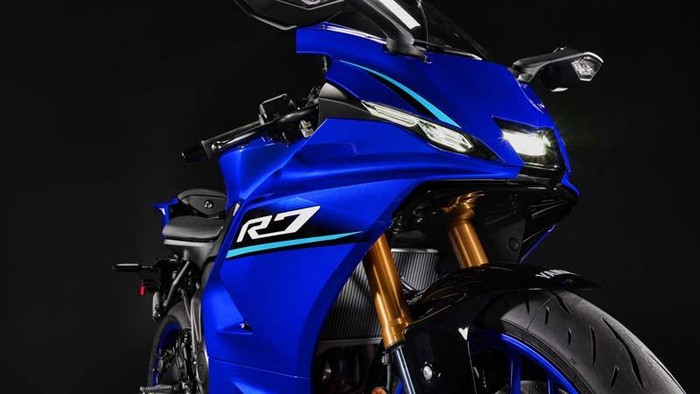
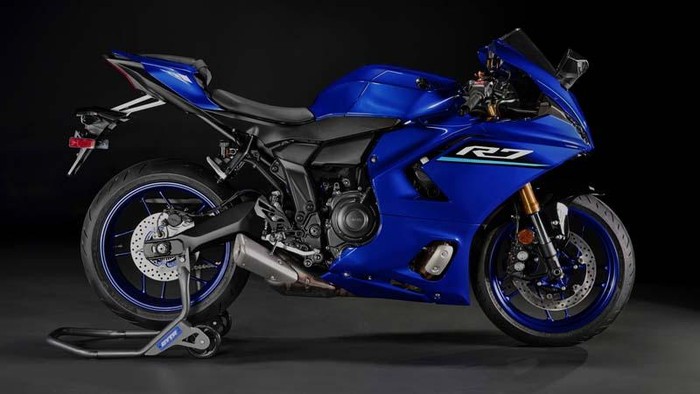
The visual enhancements on the 2026 Yamaha YZF-R7 are immediately apparent, reflecting Yamaha’s ongoing commitment to the R-Series family aesthetic. The most significant update lies in the fairing design, which has been meticulously sculpted to be more streamlined and aerodynamically efficient. This redesign is not merely cosmetic; it directly contributes to the motorcycle’s performance characteristics, particularly at higher speeds and during cornering. Yamaha has stated the design philosophy revolves around the "Beauty of Turning Control," emphasizing the bike’s agility and responsiveness in dynamic riding situations.
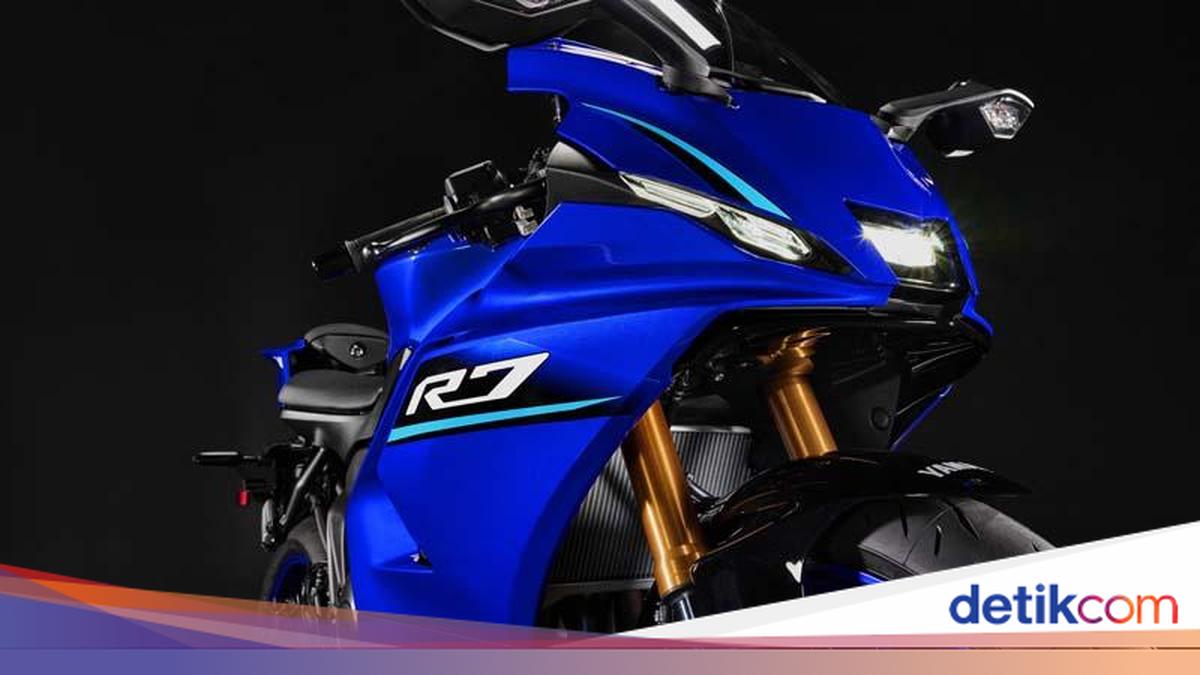
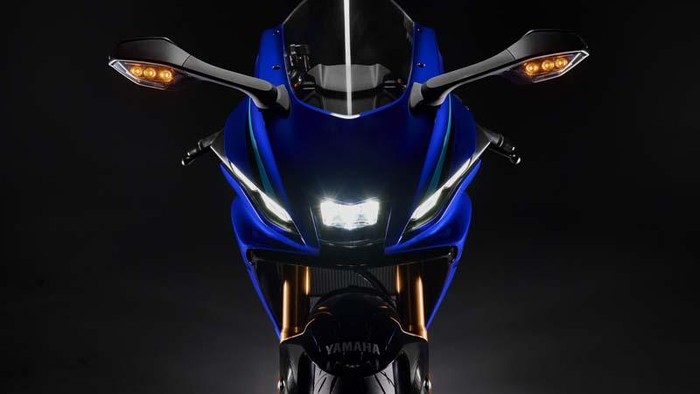
The sharper lines and more aggressive stance are hallmarks of the R-Series DNA. The minimalist front headlight assembly, a signature of modern Yamaha sportbikes, is integrated seamlessly into the new bodywork, contributing to a focused and predatory look. The overall silhouette is more taut and purposeful, conveying a sense of readiness for spirited riding. These design cues are intended to appeal to a broad spectrum of riders, from those looking for a capable track day machine to those who appreciate the aggressive styling of a pure sportbike for everyday use.
Powertrain: The Proven CP2 Engine Continues its Reign
At the heart of the 2026 YZF-R7 beats the same celebrated CP2 engine that has garnered praise for its character and performance. This 689cc, liquid-cooled, DOHC, parallel-twin engine features Yamaha’s innovative crossplane crankshaft technology. This design inherently provides a more linear power delivery and a distinct, engaging torque feel, distinguishing it from many conventional parallel-twin engines.
The engine continues to produce a healthy 73.4 PS (approximately 72.3 horsepower) at 8,750 rpm, with a peak torque of 68 Nm. While these figures may not set new benchmarks in its class, they are more than adequate for exhilarating performance on both public roads and the racetrack. The CP2 engine is renowned for its broad powerband, making it tractable and forgiving for newer riders, while also offering enough punch for experienced riders to exploit on challenging roads or circuits. Its reliability and proven track record in various Yamaha models further solidify its position as a sensible and enjoyable powerplant.
Technological Advancements: Precision and Control Elevated
The most substantial upgrades for the 2026 YZF-R7 are found within its technological suite. The introduction of the Yamaha Chip Controlled Throttle (YCC-T) system marks a significant leap forward. YCC-T electronically manages the throttle valves, allowing for more precise throttle input and a smoother, more refined response. This system is not only about enhancing the rider’s connection to the machine but also serves as the foundational technology for a host of advanced electronic rider aids.
This focus on electronic rider aids signals Yamaha’s intention to equip the YZF-R7 with features typically found on higher-specification sportbikes, making it more competitive and appealing to a wider audience. The precision offered by YCC-T directly translates into better control, especially in demanding riding scenarios where split-second adjustments are crucial.
Enhanced Riding Dynamics: Track-Day Ready Features
For enthusiasts who plan to take their YZF-R7 to the track, Yamaha has integrated several performance-oriented features. A notable addition is the bi-directional quick shifter, allowing for seamless upshifts and downshifts without the need for clutch operation. This feature significantly enhances acceleration and deceleration, allowing riders to maintain momentum and focus on their lines.
Furthermore, the inclusion of Launch Control (LC) provides riders with a competitive edge when starting from a standstill. LC optimizes engine output and traction upon initial acceleration, ensuring the most effective and controlled launch possible. This feature is particularly valuable for track day participants and amateur racers.
In a move that demonstrates a keen understanding of track riding nuances, Yamaha has also incorporated a Rear ABS OFF function. This allows riders to selectively disable the anti-lock braking system on the rear wheel. This capability is essential for experienced riders who wish to perform controlled slides or utilize techniques like trail braking more effectively on the closed circuit. The ability to switch off rear ABS provides an extra layer of control for those who understand its implications and utilize it as a performance tool.
Market Context and Strategic Positioning
The Yamaha YZF-R7 occupies a unique and increasingly important space in the global motorcycle market. It effectively bridges the performance gap between entry-level sportbikes and the more exclusive, often significantly more expensive, 600cc and 1000cc supersport motorcycles. In many markets, 600cc supersports have seen a decline in sales due to their high cost and demanding nature, creating an opportunity for middleweight alternatives that offer a blend of sporty performance, accessible handling, and a more attainable price point.
The YZF-R7’s introduction originally aimed to fill this niche, offering the aggressive styling and riding dynamics of a pure sportbike with the more manageable power and cost of its CP2 engine. The 2026 updates, particularly the technological enhancements, further strengthen its competitive standing against rivals in the middleweight sportbike category. By incorporating features like YCC-T and bi-directional quick shifters, Yamaha is elevating the YZF-R7’s proposition beyond just its engine and chassis, offering a more sophisticated and feature-rich package.
The pricing in Thailand – 345,000 Thai Baht for the standard model and 348,000 Thai Baht for the anniversary edition – translates to approximately $9,500 USD. This places the YZF-R7 in direct competition with other middleweight sportbikes and performance-oriented naked bikes. The value proposition is further enhanced by the anniversary edition, which taps into Yamaha’s rich racing heritage and offers collectors and enthusiasts a special edition with historical significance. Yamaha’s 70th anniversary celebrations throughout 2025 and 2026 have seen various models receive special liveries, and the YZF-R7’s inclusion in this program underscores its importance within the brand’s sportbike lineup.
Broader Implications and Rider Appeal
The enhanced 2026 Yamaha YZF-R7 is poised to attract a diverse range of riders. For existing R-Series owners looking for a step up in performance without the extreme demands of a supersport, the YZF-R7 offers an appealing upgrade path. Its rider-friendly engine characteristics, combined with the new electronic aids, make it more forgiving and enjoyable for daily commuting or spirited weekend rides.
For newer riders aspiring to enter the sportbike world, the YZF-R7 presents a more attainable entry point than many 600cc supersports. The improved technology, such as the precise throttle control and optional launch control, can help build confidence and skill. The ability to disable rear ABS further allows riders to gradually explore the limits of the motorcycle as their abilities mature.
The inclusion of track-focused features like the quick shifter and Rear ABS OFF function also signals Yamaha’s commitment to the track day community. This not only broadens the bike’s appeal but also reinforces the YZF-R7’s legitimacy as a capable performance machine. The competitive pricing, especially when considering the technological upgrades, makes it a compelling option for those who want a sporty experience without breaking the bank.
Yamaha’s strategic updates to the YZF-R7 for 2026 demonstrate a clear understanding of the evolving motorcycle market and rider preferences. By enhancing its technological offerings and refining its already striking design, the Japanese manufacturer is ensuring that the YZF-R7 remains a relevant and desirable choice for sportbike enthusiasts worldwide. The enduring popularity of the CP2 engine, coupled with these advancements, solidifies the YZF-R7’s position as a key player in the middleweight sportbike segment for years to come.