Jennie BLACKPINK Recognized as Only Korean Artist on TIME’s 100 Most Influential People of 2026 List


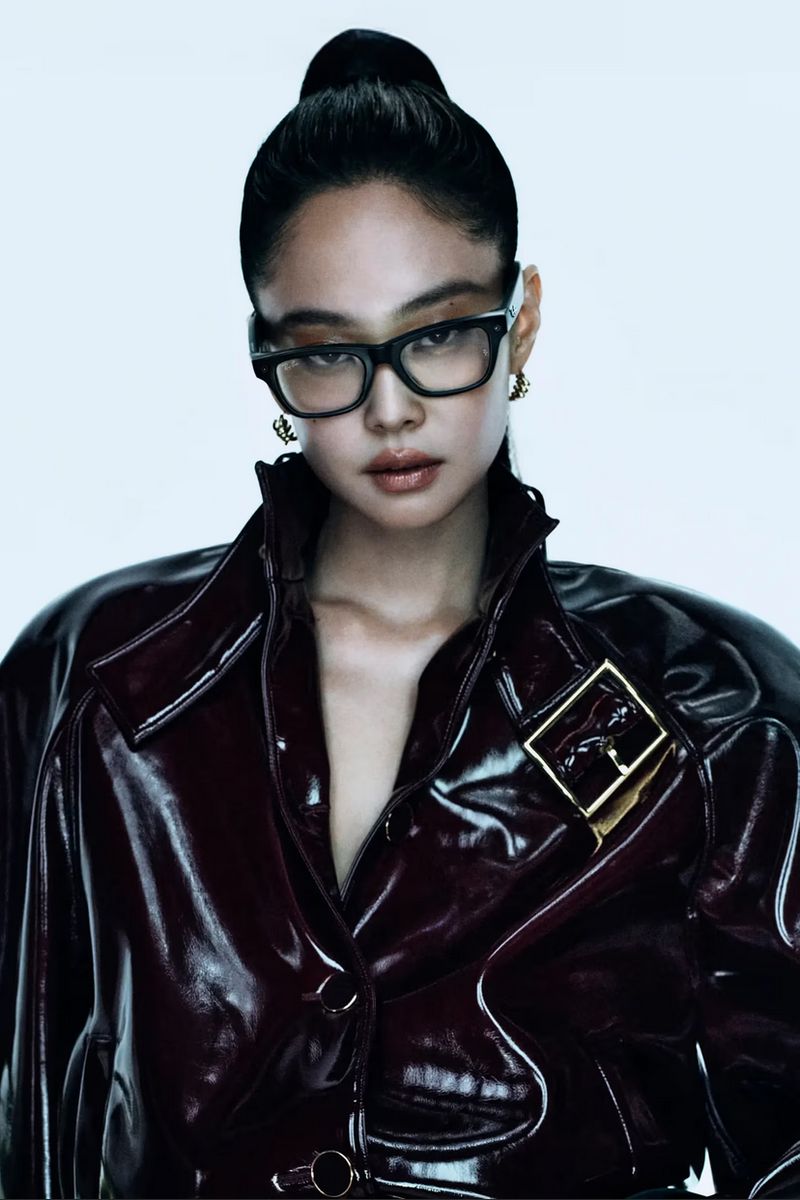
Jennie Kim, globally known as Jennie from the groundbreaking K-Pop sensation BLACKPINK, has been officially named to TIME magazine’s prestigious “The 100 Most Influential People of 2026” list, marking her as the sole Korean artist to achieve this distinguished recognition this year. The announcement, made on Wednesday, April 15, 2026, solidifies Jennie’s unparalleled global impact and continuous reign as a prominent figure in music, fashion, and pop culture, further cementing K-Pop’s undeniable presence on the world stage. Her inclusion in the coveted ‘Artists’ category places her alongside a diverse array of global luminaries, including musicians like Anderson .Paak and Noah Kahan, and actresses such as Coco Jones and Dakota Johnson, highlighting her multifaceted influence that transcends traditional entertainment boundaries.
Understanding the Prestige of TIME100
TIME magazine’s annual list of the 100 most influential people in the world is not merely a ranking of power or wealth, but a curated selection of individuals whose actions, ideas, and influence are shaping the global landscape. Initiated in 1999 as a special edition for the 20th century, and then relaunched annually since 2004, the TIME100 has evolved into a benchmark for global impact across various fields, including politics, business, science, activism, and the arts. The list is typically divided into several categories—Leaders, Titans, Innovators, Artists, Icons, and Pioneers—each recognizing individuals who have left an indelible mark on their respective domains. Inclusion in the TIME100 is not decided by public vote but by the editors of TIME, often based on recommendations from the list’s alumni and a global network of observers. A unique aspect of the TIME100 is the tradition of inviting another prominent figure, often a peer, admirer, or collaborator, to write a short essay describing the honoree’s influence. This peer-to-peer tribute lends a personal and insightful dimension to the recognition, offering a glimpse into the honoree’s character and impact through the eyes of someone who knows their work or person intimately. For Jennie, this essay was penned by Grammy-nominated singer-songwriter Gracie Abrams, a testament to Jennie’s connections and respect within the international music community. The list serves as a crucial barometer of contemporary global culture and leadership, making Jennie’s inclusion a significant moment not only for her personal career but also for the broader K-Pop industry and Asian representation in global media.
Gracie Abrams’ Heartfelt Tribute to a "Born Star"
Gracie Abrams, an acclaimed singer-songwriter known for her evocative lyrics and melodic sensibilities, offered a deeply personal and insightful tribute to Jennie in her essay for TIME. Abrams’ words painted a vivid picture of Jennie as an artist inherently destined for stardom, possessing an almost magnetic allure that captivates audiences, whether they are watching her on screen or as one of thousands in a stadium. "Simply put: Jennie is a star," Abrams began, immediately encapsulating the essence of Jennie’s appeal. She continued, "I could go on and on about her accomplishments or her impact on pop culture. But when I sat down to write this essay, the thing that came to mind was the magic she holds, the power that draws you in and makes you captivated by ‘Jennie The Artist’ when watching her on screen or one of 100 thousand people in a stadium. Identical to the power she possesses when you find her in the corner of a party or a back hallway backstage." This observation highlights Jennie’s dual persona: the formidable, charismatic performer and the warm, approachable individual. Abrams’ unique perspective stems from a friendship that has blossomed through shared professional experiences, notably their collaboration as faces for the Chanel Coco Crush fine jewelry campaign in early January 2026. This shared endeavor, which saw both artists embodying the elegance and modern spirit of Chanel, further solidified their bond and provided Abrams with an intimate understanding of Jennie’s work ethic and personal charm.
Beyond her stage presence, Abrams further elaborated on Jennie’s intrinsic warmth and kindness, qualities that she believes underline the K-Pop idol’s true stardom. "What makes Jennie a true star, even in her quietest moments, is that she has an undeniable presence that cuts through all the noise, and she carries that with kindness and warmth. She is the type of person who takes both your hands and squeezes them. She has a softness that only further emphasizes her power. I adore her," Abrams concluded. This description paints Jennie as a figure who, despite her immense global influence and powerful stage persona, remains grounded, approachable, and genuinely empathetic. This blend of strength and tenderness, as described by a close peer, offers a more nuanced understanding of why Jennie resonates so deeply with millions worldwide. It suggests that her influence is not merely a product of her talent or celebrity but also of her authentic character and the genuine connections she fosters.

Jennie’s Ascendance: A Chronology of Global Impact
Jennie Kim’s journey to global recognition is a meticulously crafted narrative of talent, strategic partnerships, and an unwavering commitment to her artistry. Her career trajectory, both as a member of BLACKPINK and as a solo artist, showcases a consistent pattern of breaking records and setting new benchmarks.
2016: The Genesis of a Phenomenon
Jennie debuted as a member of BLACKPINK under YG Entertainment. From their debut singles "Whistle" and "BOOMBAYAH," BLACKPINK rapidly ascended to become one of the most successful girl groups in K-Pop history. Their distinctive "girl crush" concept, blending powerful vocals, intricate choreography, and high-fashion aesthetics, quickly garnered a massive international fanbase, known as BLINKs. The group’s early success was marked by unprecedented speed in achieving music chart milestones and racking up millions of views on YouTube, laying the groundwork for their global domination.
2018: Solo Debut and Individual Prowess
Demonstrating her individual artistry, Jennie made her highly anticipated solo debut with the single "SOLO" in November 2018. The track was an immediate commercial success, topping both domestic and international charts, including the Billboard World Digital Songs chart. "SOLO" not only showcased her versatility as a vocalist and rapper but also solidified her potential as a standalone artist, proving that her star power extended beyond the group dynamic. This solo endeavor was a crucial step in establishing her individual brand and artistic identity.
2020-2023: Global Collaborations and Brand Ambassador Era
As BLACKPINK continued their global expansion with successful albums like "The Album" (2020) and record-breaking world tours, Jennie simultaneously amplified her individual influence through high-profile collaborations and brand endorsements. She became a global ambassador for luxury brands such as Chanel, earning her the moniker "Human Chanel" for her seamless integration with the brand’s sophisticated image. Her partnerships extended to fashion powerhouses like Calvin Klein, where her campaigns consistently broke the internet, and beauty brands like Hera, further cementing her status as a style icon. Her influence on fashion trends is undeniable, with items she wears often selling out rapidly, a phenomenon known as the "Jennie effect."
2025: Critical Acclaim for "Ruby" and Industry Recognition
The year 2025 proved to be a pivotal year for Jennie’s solo career. Her first full-length solo album, "Ruby," garnered widespread critical acclaim and commercial success. The album’s innovative sound and introspective lyrics resonated deeply with critics and fans alike, leading to its inclusion in Rolling Stone’s prestigious "100 Best Albums of 2025" list. This significant recognition from a globally renowned music publication underscored her artistic growth and songwriting prowess. In the same year, Forbes Korea recognized her immense influence by crowning her the "Most Influential Artist in Korea," a testament to her widespread impact across various sectors, from music to fashion and culture. These accolades collectively painted a picture of an artist at the peak of her powers, not just as an entertainer but as a cultural force.
2026: A Global Festival Circuit and TIME100 Inclusion
The year 2026 has marked Jennie’s further expansion onto the global stage as a solo performer. Her scheduled appearances at several major international music festivals highlight her status as a sought-after act capable of commanding massive audiences independently. These include the Governors Ball Music Festival in New York City, a prominent event in the U.S. festival circuit; the Mad Cool Festival in Madrid, a leading European music gathering; Lollapalooza Chicago, one of the most iconic and longest-running music festivals globally; and Summer Sonic in both Tokyo and Osaka, Japan, a premier Asian festival. These engagements underscore her growing global footprint as a solo artist, diversifying her performance portfolio beyond BLACKPINK’s group activities. Her inclusion in TIME’s 100 Most Influential People of 2026 list acts as a crowning achievement for this period, validating her sustained and expanding influence across continents.
Broader Implications: K-Pop’s Global Footprint and Asian Representation
Jennie’s recognition on the TIME100 list is far more than a personal triumph; it carries significant implications for the K-Pop industry and the broader discourse on Asian representation in global media. Her presence as the sole Korean artist on such a prestigious international list serves as a powerful testament to K-Pop’s sustained and deepening infiltration into Western cultural consciousness. For years, K-Pop was often considered a niche genre, largely confined to Asian markets. However, with the advent of groups like BLACKPINK and BTS, it has unequivocally transcended these boundaries, becoming a global cultural phenomenon that dictates trends in music, fashion, and social media.
Jennie’s ability to seamlessly bridge the gap between Eastern and Western aesthetics, coupled with her fluency in English, has made her an accessible and relatable figure for international audiences. This cross-cultural appeal is a key factor in her influence. Her high-profile collaborations with global luxury brands are not merely endorsements; they represent a fundamental shift in how Western industries perceive and engage with Asian talent. These partnerships not only elevate Jennie’s personal brand but also open doors for other Asian artists and creatives, challenging long-held stereotypes and demonstrating the immense market power and cultural cachet that K-Pop artists possess.
Moreover, Jennie’s inclusion contributes significantly to the ongoing push for greater Asian representation in global media. In an era where diversity and inclusion are increasingly valued, seeing a Korean artist recognized for her global influence on a platform like TIME sends a strong message about the evolving landscape of global pop culture. It signifies a move away from tokenism towards genuine acknowledgment of Asian contributions to arts and culture. This recognition can inspire countless aspiring artists of Asian descent, validating their dreams and demonstrating that their voices and talents have a place on the world stage. It also encourages global audiences to explore and appreciate diverse cultural expressions, fostering a more inclusive and interconnected global community.
The Enduring Legacy of Influence
Jennie BLACKPINK’s designation as one of TIME’s 100 Most Influential People of 2026 underscores her multifaceted impact as a trailblazer in music, fashion, and cultural influence. From her captivating stage presence and chart-topping solo releases to her groundbreaking collaborations with global luxury brands, Jennie has consistently demonstrated an ability to connect with audiences on a profound level. Her journey, marked by continuous artistic growth and strategic global engagement, has not only solidified her individual status as a global icon but has also played a crucial role in elevating the entire K-Pop industry onto the world stage. As she continues to perform at major international festivals and inspire millions, Jennie’s influence is poised to grow even further, cementing her legacy as a true cultural phenomenon and a beacon of Asian representation in the global entertainment landscape. The TIME100 recognition is not merely an award; it is a testament to her enduring power to shape conversations, set trends, and inspire a new generation across the globe.