Suzuki Fronx GX Hybrid Matic: A New Contender in Indonesia’s Growing Compact Hybrid SUV Segment

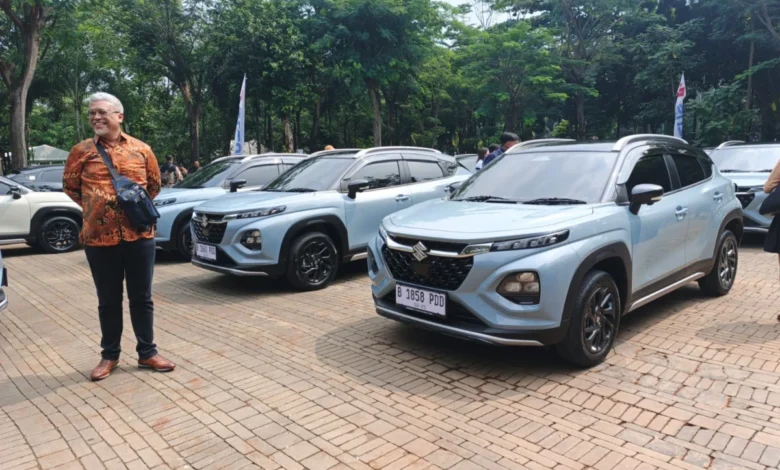
As the Indonesian automotive market continues to evolve, the Suzuki Fronx GX Hybrid Matic has emerged as a compelling new option for consumers seeking an electrified vehicle without the premium price tag often associated with hybrid technology. Slated for continued availability and relevance into July 2026, this compact SUV is strategically positioned to capture the attention of budget-conscious buyers looking to embrace greener mobility. Its introduction signifies Suzuki’s proactive approach to a burgeoning segment, aiming to provide an accessible entry point into the world of hybrid powertrains.
At its core, the Fronx GX Hybrid Matic leverages Suzuki’s proprietary Smart Hybrid Vehicle by Suzuki (SHVS) technology. This innovative system seamlessly integrates a conventional gasoline engine with a lightweight electric motor and a compact lithium-ion battery. The primary objective of this synergy is to enhance fuel efficiency, a critical factor for Indonesian consumers navigating fluctuating fuel prices and growing environmental awareness. The SHVS system assists the gasoline engine during acceleration and allows for brief periods of electric-only propulsion, thereby reducing overall fuel consumption and emissions. This technological integration places the Fronx GX Hybrid Matic directly into the increasingly competitive landscape of hybrid SUVs in Indonesia, a segment that has seen significant expansion in recent years.
Beyond its eco-friendly powertrain, the Suzuki Fronx GX also boasts a modern design language, characterized by its crossover-inspired aesthetics. This blend of practicality and style is designed to appeal to a broad demographic, offering the utility of an SUV with the maneuverability and urban-friendly dimensions of a compact car. The following detailed breakdown will explore the pricing, comprehensive specifications, and array of features that the Suzuki Fronx GX Hybrid Matic brings to the Indonesian market.
Pricing Strategy and Market Positioning for July 2026
As of July 2026, the Suzuki Fronx GX Hybrid Matic (Automatic Transmission) is positioned with a Manufacturer’s Suggested Retail Price (MSRP) of approximately IDR 293.9 million for the Jakarta metropolitan area (OTR Jakarta). This pricing strategy places it within the upper echelon of the compact SUV segment, yet remains competitive within the hybrid sub-category. For consumers who prioritize a more engaging driving experience or are seeking a lower entry cost, the manual transmission (MT) variant of the Fronx GX is available at a more accessible price point of approximately IDR 276 million.
The discernible price difference between the automatic and manual variants is a standard industry practice, reflecting the added complexity and convenience of an automatic gearbox. It is important for prospective buyers to note that these prices are subject to change. Variations can occur based on the specific region of purchase, the chosen exterior color, and prevailing dealer policies and promotions. Suzuki’s pricing approach appears to be designed to offer a tangible value proposition, balancing advanced hybrid technology with a competitive overall cost of ownership. This strategy aims to democratize hybrid vehicle ownership in Indonesia, making it a more attainable goal for a wider segment of the population.
Technical Specifications: A Deep Dive into the Suzuki Fronx GX Hybrid Matic
The Suzuki Fronx GX Hybrid Matic is engineered to deliver a harmonious balance of fuel efficiency, driving comfort, and modern amenities. Its core is the Smart Hybrid Vehicle by Suzuki (SHVS) system, which works in tandem with a robust 1.5-liter K15C gasoline engine. This engine, a 4-cylinder, 16-valve unit with Multipoint Injection, is renowned for its reliability and performance within Suzuki’s lineup. The SHVS technology incorporates an Integrated Starter Generator (ISG) and a 12V lithium-ion battery, which collectively manage regenerative braking and provide electric assistance.
While the manual transmission variant offers a direct connection for driving enthusiasts, the GX Hybrid Matic variant distinguishes itself with a smooth and convenient 6-speed automatic transmission. This automatic gearbox ensures effortless gear changes, particularly beneficial in urban traffic conditions, further enhancing the overall driving experience and contributing to fuel efficiency by optimizing engine performance.
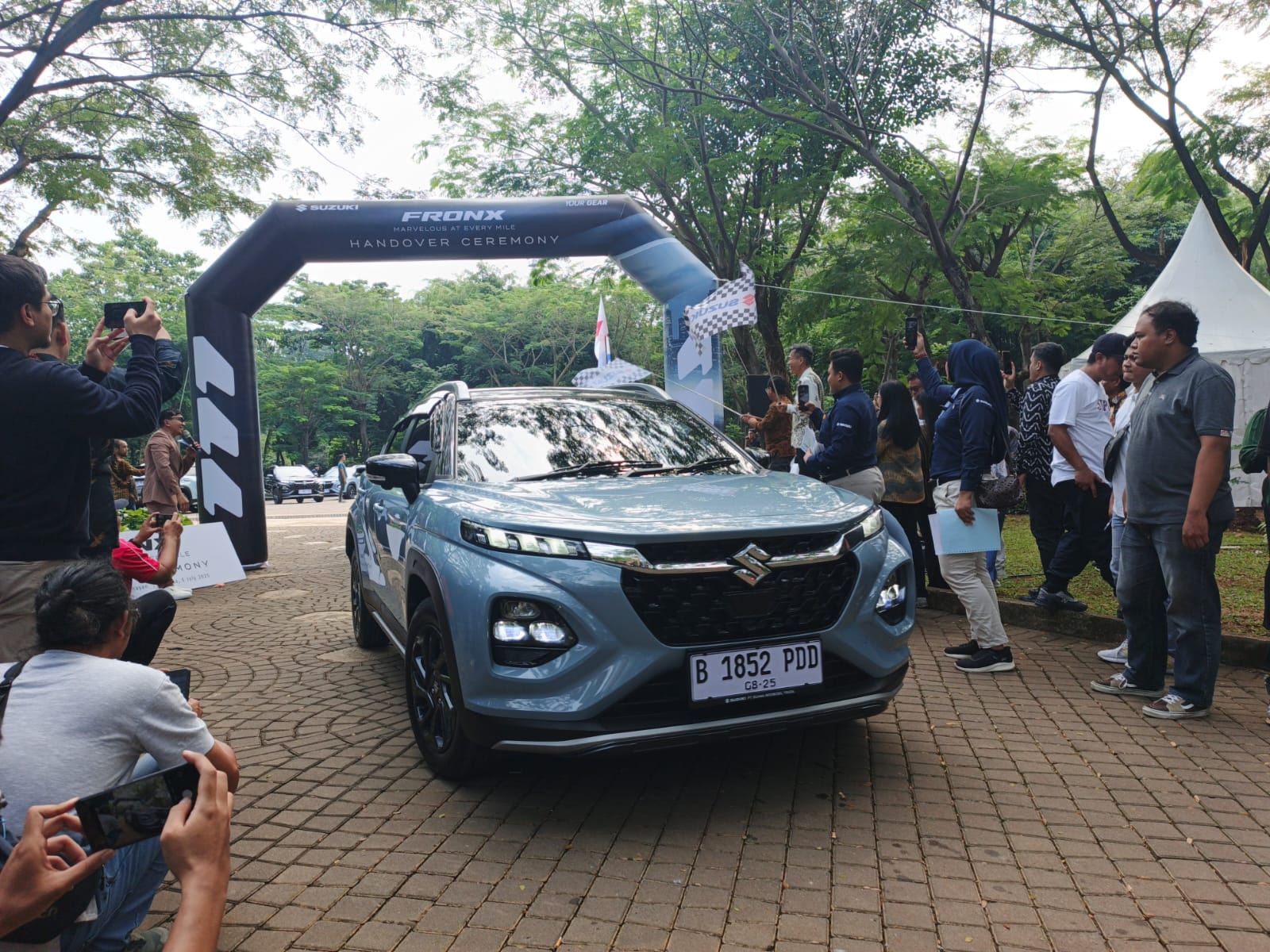
Here’s a detailed look at the comprehensive specifications of the Suzuki Fronx GX Hybrid AT:
| Specification | Detail |
|---|---|
| Engine | K15C 4-cylinder, 16-valve, Multipoint Injection |
| Hybrid Technology | Smart Hybrid Vehicle by Suzuki (SHVS), ISG, 12V Lithium-ion Battery |
| Engine Displacement | 1,462 cc |
| Maximum Power | 100.6 PS at 6,000 rpm |
| Maximum Torque | 135 Nm at 4,400 rpm |
| Drivetrain | Front Wheel Drive (FWD) |
| Transmission | 6-speed Automatic |
| Dimensions (L x W x H) | 3,995 mm x 1,765 mm x 1,550 mm |
| Wheelbase | 2,520 mm |
| Ground Clearance | 170 mm |
| Fuel Tank Capacity | 37 liters |
The chassis and suspension system are designed for a comfortable and stable ride. The Fronx GX Hybrid Matic features a MacPherson Strut suspension at the front and a Torsion Beam setup at the rear. These are complemented by 16-inch alloy wheels fitted with 195/60 R16 tires, providing a good balance of grip and ride comfort. The 170mm ground clearance offers a respectable advantage for navigating uneven road surfaces and minor obstacles common in Indonesian driving conditions.
Interior Features and Safety Suite
The interior of the Fronx GX Hybrid Matic is equipped with a suite of modern features designed to enhance passenger comfort and convenience. A prominent 9-inch touchscreen infotainment system serves as the central hub, offering seamless connectivity through Apple CarPlay and Android Auto, allowing drivers to integrate their smartphones for navigation, entertainment, and communication. The automatic climate control with digital display ensures a consistently comfortable cabin environment, while a wireless charger adds a layer of modern convenience for compatible devices. The inclusion of both USB Type A and Type C ports caters to a variety of charging needs. For a more engaging driving experience, paddle shifters are integrated, allowing for manual gear selection directly from the steering wheel.
Safety is a paramount consideration, and the Fronx GX Hybrid Matic is well-equipped in this regard. It comes standard with six airbags, providing comprehensive protection for occupants in the event of a collision. The Anti-lock Braking System (ABS) and Electronic Brakeforce Distribution (EBD) work in tandem to ensure controlled braking, while the Hill Hold Control (HHC) feature prevents the vehicle from rolling backward on inclines. Parking sensors and a rearview camera further aid in maneuvering and parking, reducing the risk of minor accidents.
However, it’s important to note that the GX Hybrid Matic variant does not incorporate Suzuki’s advanced active safety suite, known as Suzuki Safety Support. Features such as Adaptive Cruise Control (ACC), Lane Departure Warning (LDW), Autonomous Emergency Braking (AEB), Head-Up Display (HUD), and a 360-degree camera system are reserved for higher trims, such as the SGX Hybrid. This distinction helps manage pricing and target specific consumer needs, offering a tiered approach to advanced driver-assistance systems.
Strategic Positioning within the Fronx Lineup
The Suzuki Fronx GX Hybrid stands as the flagship model within the current Fronx lineup offered in Indonesia. Its placement is deliberately at the apex, positioned above the GA and GL variants. This elevated status is not merely in name but is underscored by the integration of the most comprehensive technology package, specifically the Smart Hybrid Vehicle by Suzuki (SHVS) system.
The hierarchical structure of the Fronx variants is as follows, from the most accessible to the most feature-rich:
- Suzuki Fronx GA
- Suzuki Fronx GL
- Suzuki Fronx GX Hybrid
This tiered approach allows Suzuki to cater to a spectrum of consumer preferences and budget constraints. The GA and GL variants provide a solid entry point into the Fronx model range, offering essential features and a stylish design. The GX Hybrid, however, is designed for the discerning buyer who seeks the ultimate expression of the Fronx’s capabilities. It represents the pinnacle of the model’s offering, combining advanced hybrid technology with a comprehensive suite of comfort and safety features.
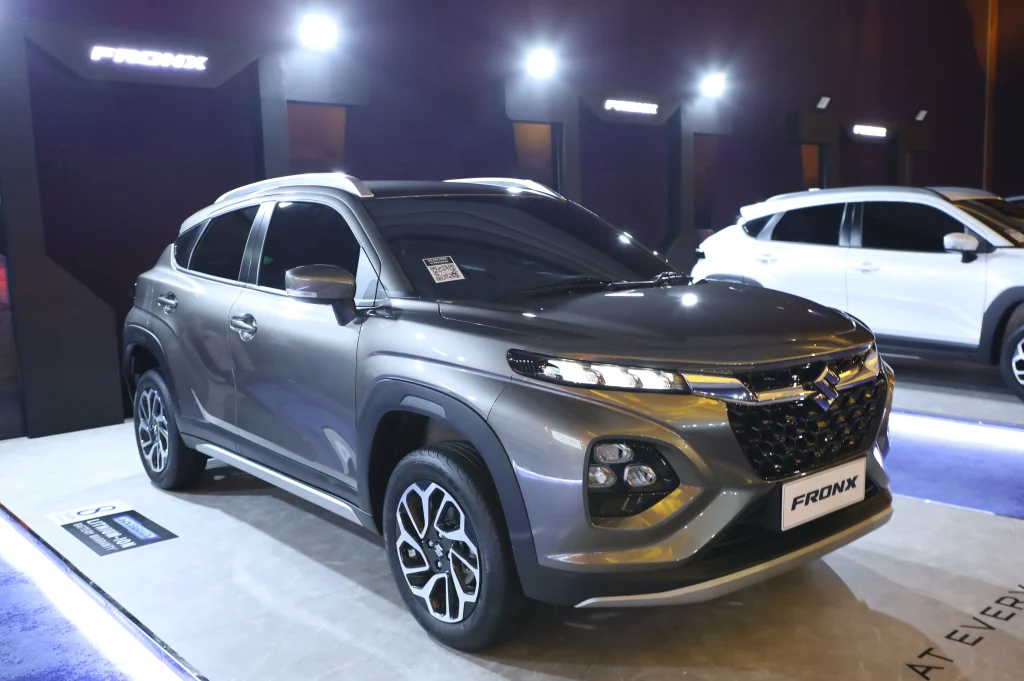
Consequently, the Suzuki Fronx GX Hybrid emerges as the definitive choice for consumers who desire the most complete Fronx experience, coupled with Suzuki’s latest advancements in electrification. It is engineered for those who prioritize fuel efficiency, cutting-edge technology, and a premium feel within the compact SUV segment, all while maintaining a competitive price point that aims to disrupt the market.
Analysis and Implications
The introduction and continued availability of the Suzuki Fronx GX Hybrid Matic represent a significant strategic move by Suzuki in the Indonesian automotive market. By offering a hybrid compact SUV at a price point below IDR 300 million, Suzuki is actively working to broaden the appeal of electrified vehicles. This strategy is particularly relevant in a market where fuel costs are a significant consideration for many consumers, and environmental consciousness is steadily growing.
The SHVS technology, while not a full hybrid system, provides a tangible improvement in fuel economy compared to conventional gasoline-powered vehicles. This makes the Fronx GX Hybrid an attractive proposition for daily commuting and urban driving, where the benefits of hybrid assistance are most pronounced. The crossover design further enhances its appeal, offering a versatile package suitable for families and individuals alike.
The pricing strategy, with a clear distinction between the automatic and manual variants, allows Suzuki to cater to different driving preferences and budget levels. The top-tier GX Hybrid trim, with its comprehensive feature set, serves as a halo model, showcasing the brand’s technological capabilities and design prowess.
The competitive landscape for compact hybrid SUVs in Indonesia is intensifying. Rivals such as the Toyota Raize Hybrid and Daihatsu Rocky Hybrid are also vying for market share. Suzuki’s approach with the Fronx GX Hybrid is to differentiate itself through a combination of competitive pricing, robust feature offerings, and the established reliability of the Suzuki brand. The focus on affordability within the hybrid segment is crucial for accelerating adoption rates and shifting consumer perception away from hybrids being exclusively luxury vehicles.
Looking ahead, the continued success of the Fronx GX Hybrid Matic will likely depend on its ability to consistently deliver on its promises of fuel efficiency, reliability, and value for money. As consumer awareness and demand for eco-friendly vehicles grow, Suzuki appears well-positioned to capitalize on this trend. The company’s commitment to providing accessible hybrid technology could play a pivotal role in shaping the future of personal transportation in Indonesia.
Before making a purchasing decision, potential buyers are strongly advised to thoroughly assess their individual needs. This includes evaluating factors such as desired features, preferred transmission type, and the long-term costs of ownership, including maintenance and insurance. Staying informed through reputable automotive news sources like Moladin will provide the latest updates on pricing, comprehensive reviews, comparative analyses, and breaking news from the automotive world, ensuring an informed and satisfying car-buying experience.