Abdul El-Sayed Emerges as the Unexpected Internet Sensation Dubbed the Retinol King Following Viral Skincare Routine Reveal

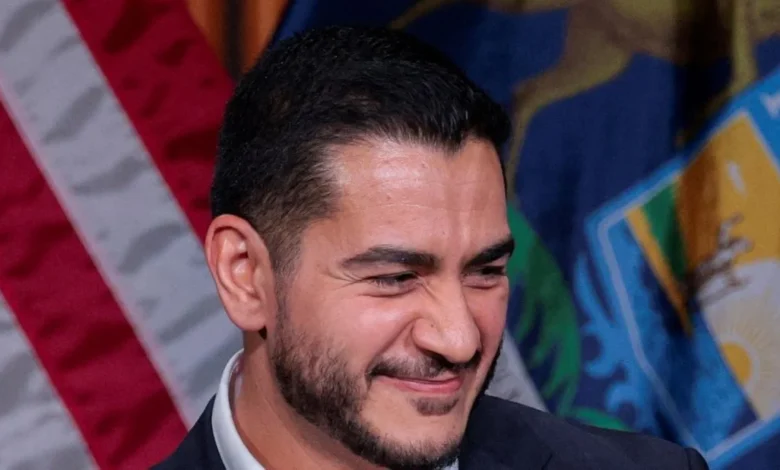
The intersection of modern politics, digital media, and personal grooming has produced an unexpected cultural phenomenon in the United States, centering around newly elected American senator Abdul El-Sayed. At 42 years old, the prominent Muslim-American politician has captured the attention of millions across digital platforms not solely for his legislative platform or historic political milestones, but for his remarkably disciplined and scientifically grounded skincare regimen. Earning the moniker the "Retinol King" across social media channels, El-Sayed has inadvertently sparked a widespread national conversation regarding male grooming, dermatological health, and the changing public expectations placed upon modern political figures.
Main Facts and the Viral Phenomenon
The digital surge surrounding Senator El-Sayed began when a recorded conversation between the politician and comedian Suzanne Lambert, originally captured and broadcast in May, resurfaced on the social media platform X, formerly known as Twitter. The clip rapidly gained traction, accumulating millions of impressions and spawning thousands of derivative posts, memes, and commentary threads dedicated to the politician’s clear, youthful complexion.
While public figures are frequently scrutinized for their appearances, El-Sayed’s viral moment stands apart due to his transparent and highly technical breakdown of his daily skincare habits. Initially attributing his complexion to favorable genetics—a common deflective joke—the Egyptian-American politician quickly pivoted to detail a rigorous, multi-step dermatological routine. His willingness to discuss active ingredients, sun protection, and barrier repair methods resonated deeply with a demographic increasingly interested in evidence-based personal care.
The widespread fascination culminated in netizens dubbing him the "Retinol King," a title that highlights both the cultural obsession with anti-aging properties and the novelty of a high-ranking male politician openly embracing a comprehensive beauty and wellness regimen. Beyond the internet humor, the moment has catalyzed serious discourse on the normalization of male skincare routines in public-facing professions.
Chronology of Events
The trajectory of Abdul El-Sayed’s ascent from regional political figure to viral skincare icon unfolded across several distinct phases over the course of the year:
- May: Senator El-Sayed participates in a recorded dialogue with comedian Suzanne Lambert. During the lighthearted interview, the conversation unexpectedly shifts toward personal maintenance, prompting El-Sayed to share the specifics of his morning and evening skincare routines.
- Late October: The archived video clip is rediscovered and shared on X by prominent digital commentators, quickly gaining algorithmic momentum and transcending political circles to reach lifestyle and beauty communities.
- Early November: Mainstream digital media outlets pick up the story, analyzing the specific products and methodologies mentioned by the senator. The term "Retinol King" trends across multiple platforms as users dissect his routine.
- Mid-November: Public interest prompts dermatological experts and cultural commentators to weigh in on the effectiveness of El-Sayed’s regimen, transforming a viral social media moment into a broader educational dialogue about skin health.
Detailed Breakdown of the Routine
For a public audience accustomed to vague endorsements or superficial beauty secrets from celebrities, El-Sayed’s practical, dermatologist-approved approach offered a refreshing level of detail. During his viral exchange, the senator outlined a clear division between his daytime protection strategy and his nighttime cellular renewal practices.
Morning Defense and Maintenance
El-Sayed initiates his daily routine with a gentle approach to cleansing. He relies on the CeraVe Facial Cleanser, a product widely recommended by dermatologists for its inclusion of ceramides and hyaluronic acid, designed to maintain the skin’s natural barrier without stripping essential moisture.
Following cleansing, the core pillar of his daytime routine is sunscreen application. Crucially, El-Sayed highlighted a step frequently overlooked by the general public: reapplication. Recognizing that chemical and physical UV filters degrade or wear off due to environmental factors, sebum production, and physical activity, he maintains a strict schedule of reapplying sunscreen around midday, specifically targeting the 12:00 PM to 1:00 PM window. Dermatologists have since lauded this practice as the gold standard for preventing premature photoaging and reducing the risk of skin malignancies.
Evening Renewal and the Sandwich Method
The nighttime routine is where the senator earned his regal moniker. Every two days, El-Sayed incorporates a retinoid into his regimen. Retinoids, derivatives of vitamin A, are celebrated in dermatology for their ability to accelerate cellular turnover, stimulate collagen production, and diminish fine lines. However, they are notorious for causing dryness, flaking, and irritation, particularly for individuals unaccustomed to potent active ingredients.
To mitigate these side effects, El-Sayed revealed that he utilizes the "sandwich method." This technique involves applying a layer of hydrating moisturizer to clean skin, followed by the retinoid treatment, and sealing it with a final layer of moisturizer. By buffering the active ingredient between two layers of hydrating agents, the skin barrier is protected from acute irritation while still absorbing the beneficial properties of the retinoid. This sophisticated approach to home dermatological care surprised many observers, given the precise technical knowledge required to execute it correctly.
Background Context and Political Milestone
To view El-Sayed’s viral moment purely through the lens of internet culture is to miss the broader context of his public profile. Abdul El-Sayed has long been a figure of notable historical significance within American politics. As the first Muslim senator elected in the United States, his career has consistently intersected with questions of representation, identity, and public scrutiny.
Before entering the legislative arena, El-Sayed established a robust background in public health and medicine. He earned his medical degree from Columbia University and a doctorate from Oxford University as a Rhodes Scholar, subsequently serving as the Executive Director of the Detroit Health Department. This scientific and medical training heavily informs his approach to daily habits, including his meticulous skincare routine. Understanding the cellular biology of the skin and the mechanical functions of UV radiation provides a logical foundation for why a former public health official would treat dermatological health with scientific precision.
Furthermore, El-Sayed’s identity as a Muslim-American man navigating the high-pressure environment of American politics adds another layer to his public reception. Public figures, particularly men in politics, are traditionally expected to adhere to a rigid, highly subdued aesthetic standard where personal grooming is minimized to project uncalculated authority. By openly discussing his active engagement with skincare, El-Sayed challenges these archaic archetypes, demonstrating that rigorous self-care and professional competence are not mutually exclusive.
Broader Impact and Industry Implications
The viral dissemination of the senator’s routine carries several notable implications for the grooming industry, political communication, and gender norms in the public eye.
From an economic perspective, the endorsement—albeit unintentional—of accessible, drugstore-staple products like CeraVe and standard over-the-counter retinoids reinforces a shift in consumer behavior. Rather than relying exclusively on ultra-luxury, high-cost formulations marketed by traditional cosmetic houses, consumers increasingly value efficacy backed by dermatological science. The organic promotion of these accessible items by a prominent political figure underscores the democratization of skincare knowledge in the digital age.
Sociologically, the phenomenon challenges traditional constructs of masculinity within political spheres. Historically, male politicians have faced immense pressure to appear entirely unconcerned with physical aging or cosmetic maintenance, treating such practices as frivolous or contrary to traditional notions of toughness. El-Sayed’s unapologetic embrace of a structured regimen reframes skincare not as a vanity project, but as a component of overall health, hygiene, and self-discipline.
As digital media continues to blur the lines between personal lives and professional responsibilities for elected officials, moments like the rise of the "Retinol King" highlight a growing public appetite for authenticity, practicality, and unexpected expertise from leaders. Whether Senator El-Sayed embraces his new title permanently or allows the internet to cycle on to the next viral sensation, his inadvertent masterclass in dermatological science has left an indelible mark on contemporary digital culture.
Related posts: