Sumpah Pemuda as a Catalyst for Proactive Youth Protection and Community Policing in Pangkalpinang

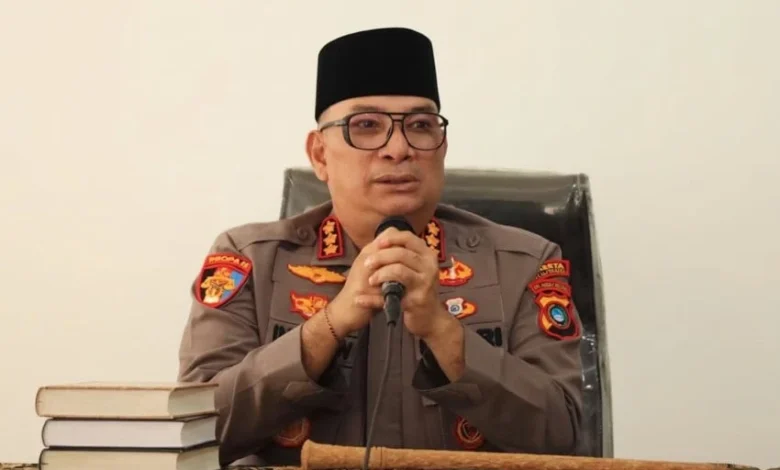
The commemoration of the 98th Youth Pledge Day, or Sumpah Pemuda, on October 28, 2026, serves as more than just a historical reflection on the 1928 nationalist movement; it acts as a critical juncture for urban governance and public safety strategies in Pangkalpinang. As the city navigates the complexities of the digital age, the focus has shifted toward a more proactive, preventative approach to safeguarding the next generation. Kapolresta Pangkalpinang, Kombes Pol Indra Wijatmiko, has emphasized that the true essence of this national day lies in the state’s ability to protect youth before they encounter the legal system, advocating for a model of policing that prioritizes engagement, empathy, and early intervention.
The Evolution of Youth Challenges in the Digital Era
The challenges facing youth in 2026 are fundamentally different from those of previous decades. While traditional concerns such as educational attainment and local employment remain, they are now compounded by hyper-connectivity and the borderless nature of the internet. Global studies indicate that adolescent mental health and social behavior are increasingly influenced by digital environments.
According to data from the Ministry of Communication and Information Technology, instances of digital exploitation, cyberbullying, and illicit online activities—such as unregulated online gambling and fraudulent digital schemes—have seen a steady rise among individuals aged 15 to 24. These issues often remain hidden from parents and educators, as they occur in the private spheres of social media and encrypted messaging platforms. In Pangkalpinang, local authorities have observed that the intersection of social pressure and digital anonymity creates a unique vulnerability, where youth are often coerced into risky behaviors before they have the maturity to understand the long-term legal and personal consequences.
Historical Context and the Modern Sumpah Pemuda
The original Sumpah Pemuda of 1928 was a declaration of unity and shared identity among diverse youth groups fighting for independence. Today, the "unity" required is of a different nature: it is the alignment of community leaders, law enforcement, educators, and families in a protective network for the youth.
Pangkalpinang, as a developing urban center, faces the pressures of rapid modernization. The city’s demographic dividend—a large population of young, productive individuals—is a significant asset, but one that requires careful stewardship. Historical analysis suggests that cities that fail to invest in social safety nets for their youth eventually face higher rates of recidivism and social instability. By marking the 98th anniversary of this historic pledge, the Pangkalpinang City Police (Polresta) are pivoting their strategy to mirror the collaborative spirit of the original youth movement, focusing on proactive community outreach rather than reactive law enforcement.
A Paradigm Shift in Law Enforcement
Kombes Pol Indra Wijatmiko’s directive reflects a broader, global shift toward "Community-Oriented Policing." The core philosophy is that the police should be a visible, approachable, and supportive entity within the community, rather than a force that only intervenes once a crime has been committed.
"We cannot afford to wait until a young person is in a police station to start talking to them," Wijatmiko stated. "The goal is to provide a safety net that is accessible long before a transgression occurs." This approach involves:
- Strategic Presence: Increasing police presence in areas frequented by youth—such as parks, schools, and digital community hubs—not for surveillance, but for positive engagement.
- Mentorship Programs: Collaborating with local schools and non-governmental organizations to provide guidance on digital literacy, substance abuse prevention, and the legal implications of online activity.
- The "Humanist" Approach: Training officers to recognize signs of distress, such as sudden behavioral changes or withdrawal, which may indicate that a youth is being pressured by external criminal elements.
Analyzing the Risks: Why Proactive Intervention is Essential
The necessity of this approach is underscored by the high stakes involved in youth delinquency. When a young person engages in illegal activities—whether it is drug-related, gambling, or cyber-fraud—the ripple effects are significant.
- Social Impact: Criminal records at a young age create significant barriers to future employment and education, perpetuating a cycle of poverty and exclusion.
- Economic Cost: The cost of processing, rehabilitating, and supervising youth offenders is substantially higher than the cost of implementing preventative education and counseling programs.
- Community Cohesion: A city where youth feel disconnected or persecuted by law enforcement is less likely to cooperate with authorities, whereas a city where youth feel supported is more likely to thrive in terms of public safety and civic participation.
Data from sociological surveys in Pangkalpinang suggest that a large percentage of youth who engage in risky behavior do so due to a perceived lack of alternative outlets or a sense of alienation from adult institutions. By bridging this gap, the police aim to de-escalate potential conflicts and divert young people toward productive paths.
Building a Support System: The Role of Community and Family
While the police are taking a leading role, the responsibility remains a shared societal endeavor. Experts in juvenile psychology argue that the most effective deterrent against delinquency is the existence of a "trusted adult." Whether this is a teacher, a coach, a family member, or a community-based police officer, the presence of someone who can listen without judgment is vital.
The current initiative in Pangkalpinang seeks to institutionalize this listening process. By creating environments where youth feel safe to voice their concerns—whether regarding personal crises, peer pressure, or digital threats—the community can effectively neutralize risks before they manifest as criminal behavior. This is not about surveillance; it is about creating a culture of trust where information flows freely, allowing for timely assistance rather than punitive measures.
Broader Implications and Future Outlook
The model currently being advocated by Polresta Pangkalpinang could serve as a blueprint for other urban areas in Indonesia. As the nation approaches its centennial in 2045, the demographic composition of the country will be dominated by those who are currently in their formative years. The actions taken today to protect, guide, and integrate these individuals into the fabric of society will determine the nation’s stability and prosperity.
The integration of professional law enforcement with social welfare principles demonstrates a sophisticated understanding of modern governance. It acknowledges that the law is not merely a tool for punishment, but a framework for protecting the rights and future potential of every citizen.
As Pangkalpinang continues to modernize, the integration of technology and social policy will be essential. Digital platforms, if used correctly, can also be leveraged to disseminate information, provide counseling, and foster healthy community connections. The police force’s commitment to a "humanist approach" signifies a recognition that the most effective law enforcement is that which understands the human condition behind every case file.
Conclusion
The 98th commemoration of Sumpah Pemuda in Pangkalpinang serves as a potent reminder that the strength of a nation is rooted in the well-being of its youth. By shifting from a purely reactive stance to one of proactive, empathetic, and community-integrated protection, the local authorities are attempting to redefine the role of the state in the lives of its youngest citizens.
The success of this initiative will depend on continued collaboration between the police, educational institutions, parents, and the youth themselves. If Pangkalpinang can successfully cultivate an environment where young people feel empowered to speak up and are supported when they face challenges, the city will not only see a reduction in youth delinquency but will also foster a generation of resilient, engaged, and law-abiding citizens. As the city looks toward the future, this commitment to early intervention and human dignity remains the most viable pathway to sustainable community safety and progress.