How to Recreate the Iconic Street-Side Indonesian Fried Rice at Home with Authentic Street Vendor Flavors

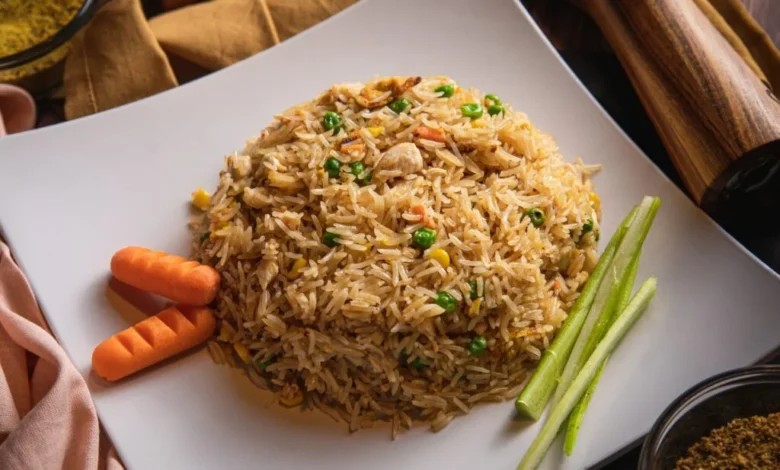
The unmistakable scent of garlic, shallots, and caramelized soy sauce wafting through the evening air is a sensory marker deeply embedded in the urban and suburban landscapes of Indonesia. For decades, the mobile street vendor—locally known as the abang nasi goreng gerobak—has served as a culinary anchor for late-night diners, students pulling all-nighters, and families seeking a comforting, affordable meal. While street-side carts remain a ubiquitous fixture across the archipelago, changing lifestyles, health consciousness, and the occasional reluctance to venture outdoors late at night have fueled a growing trend: home-cooked street-style fried rice. Culinary enthusiasts are increasingly turning to kitchen-tested recipes that replicate the distinct, smoky aroma and savory depth of traditional cart-vendor fried rice without requiring commercial-grade high-pressure woks.
Understanding the Culinary Phenomenon of Indonesian Street Fried Rice
To successfully replicate street-side fried rice in a domestic kitchen, one must first understand what sets it apart from home-style variations. Unlike continental fried rice styles that rely on light soy sauce and subtle seasoning, the Indonesian street variant—often categorized broadly under nasi goreng kaki lima—is defined by its robust flavor profile. It heavily utilizes a master spice paste (bumbu dasar) centered on shallots, garlic, and frequently candlenuts or dried shrimp paste (terasi).
Culinary historians and food anthropologists note that street-side fried rice evolved as a pragmatic adaptation of the Chinese fried rice brought by early immigrants, tailored heavily to local Indonesian palates. The use of sweet soy sauce (kecap manis), fermented shrimp paste, and bird’s eye chilies transformed a simple dish of leftover rice into a complex symphony of sweet, savory, spicy, and umami notes. Furthermore, the signature smokiness—known in culinary terms as wok hei—is traditionally achieved through intense heat generated by high-output gas burners found on mobile carts. While standard household stoves cannot fully match this thermal intensity, strategic techniques such as using pre-cooked, chilled rice and high-smoke-point oils can successfully emulate the desired texture.
The Essential Master Spice Paste Strategy
One of the defining secrets of the mobile cart vendor is efficiency. Rather than chopping aromatics to order, vendors rely on a pre-blended master spice paste that is meticulously prepared in large batches. This foundational paste not only speeds up the cooking process during peak evening rush hours but also allows the complex flavors to meld together over time.
According to veteran home economics and culinary experts, preparing a versatile master spice paste at home is the single most effective step toward achieving authentic street-side flavor. A standard base typically incorporates a precise ratio of red shallots and garlic, occasionally enhanced with a small amount of candlenut (kemiri) to add body and creaminess, and a touch of fermented shrimp paste (terasi) for a deep umami backbone. When sautéed in oil over medium heat until the raw pungent aromas dissipate and the oil separates from the solids, this paste forms the flavor architecture for the entire dish. Furthermore, professional-grade kitchen practices demonstrate that such spice pastes can be portioned and stored safely in refrigerated environments for up to thirty days, or frozen for longer periods, providing busy urban households with instant access to authentic Indonesian flavors.

Comprehensive Recipe Guide: Crafting Authentic Street-Style Nasi Goreng at Home
Recreating the iconic dish requires careful attention to ingredient selection and preparation timing. Below is a detailed, standardized recipe adapted for domestic kitchens using standard stovetop equipment.
Ingredients for the Master Spice Paste:
- 15 shallots, peeled
- 8 cloves of garlic
- 4 candlenuts, toasted
- 1 teaspoon of fermented shrimp paste (terasi), roasted
- 50 milliliters of neutral cooking oil
Ingredients for Nasi Goreng (Serves 4):
- 4 plates of white rice, preferably cooked a day prior and stored uncovered in the refrigerator to reduce moisture content
- 3 to 4 tablespoons of the prepared master spice paste
- 200 grams of chicken breast, boiled and shredded, or traditional beef meatballs (bakso), sliced thin
- 2 free-range eggs
- 3 tablespoons of sweet soy sauce (kecap manis)
- 1 tablespoon of fish sauce or savory soy sauce
- 2 stalks of scallions, finely chopped
- 100 grams of fresh cabbage, coarsely shredded
- Cooking oil for frying
- Fried shallots (bawang goreng) and cucumber slices for garnish
Step-by-Step Chronology of Preparation:
Phase 1: Preparing the Aromatics
- Combine the shallots, garlic, toasted candlenuts, and roasted shrimp paste in a food processor or traditional stone mortar (cobek). Grind until a smooth, uniform paste is formed.
- Heat 50 milliliters of neutral oil in a heavy-bottomed skillet over medium heat. Add the blended spice paste and sauté continuously for 8 to 10 minutes until the mixture turns a deep golden brown and releases an aromatic fragrance. Remove from heat and allow to cool before transferring to an airtight glass container for storage.
Phase 2: Executing the Cook
- Heat a wok or heavy skillet over high heat until smoking slightly. Add 2 tablespoons of cooking oil, swirling to coat the surface evenly.
- Crack the eggs directly into the hot oil, scrambling them rapidly with a spatula until cooked through, then push them to one side of the wok.
- Introduce 3 to 4 tablespoons of the prepared master spice paste into the empty side of the wok, frying it for approximately 30 seconds until intensely aromatic.
- Add the shredded chicken or sliced meatballs, stirring continuously to incorporate them with the eggs and spices.
- Add the chilled white rice. Break up any clumps using the back of the spatula, tossing vigorously to ensure the grains are evenly coated with the oil and spice mixture.
- Drizzle the sweet soy sauce and fish sauce directly around the inner rim of the hot wok. This technique allows the sugars in the soy sauce to caramelize instantly, imparting a subtle smoky flavor characteristic of street-side cooking.
- Toss in the shredded cabbage and chopped scallions during the final minute of cooking, stirring just until the vegetables soften slightly while retaining their vibrant color and crunch.
- Taste for seasoning, adjust if necessary, and remove from heat immediately.
Phase 3: Plating and Presentation
Serve the fried rice hot on a ceramic plate, garnished generously with crisp fried shallots, fresh cucumber slices, and tomato wedges. For an added layer of street authenticity, serve alongside traditional prawn crackers (kerupuk).

Socio-Economic Implications of the Home-Cooking Trend
The rising popularity of DIY street-style recipes reflects broader socio-economic shifts in modern Indonesian cities. Urbanization, expanding middle-class demographics, and evolving consumer habits have altered how traditional street foods are consumed. While the physical street vendor remains an irreplaceable cultural icon of the night economy, safety, hygiene, and dietary personalization have driven urbanites to experiment with street recipes within their own kitchens.
Public health analysts observing urban dietary trends note that preparing street foods at home grants consumers direct oversight over ingredient quality, sodium levels, and oil consumption. As lifestyle-related non-communicable diseases gain prominence in national health discourses, adapting traditional high-fat, high-sodium street foods into home-cooked variants allows populations to enjoy culturally significant cuisine without compromising long-term nutritional goals. Furthermore, culinary educators emphasize that disseminating standardized recipes preserves traditional cooking techniques, ensuring that heritage flavors are passed down through generations even as dining habits modernize.
Broader Cultural Significance and Future Outlook
Ultimately, the enduring appeal of street-style fried rice transcends mere sustenance; it represents a shared cultural vocabulary across diverse socioeconomic strata in Indonesia. Whether purchased from a bicycle-mounted cart navigating narrow residential alleys or prepared meticulously in a high-rise apartment kitchen, the dish serves as a unifying culinary touchstone.
As digital food media continues to democratize culinary knowledge, the boundary between commercial street food and domestic cooking becomes increasingly porous. Culinary platforms and food historians anticipate that home-cooking adaptations of street classics will continue to evolve, incorporating modern dietary preferences—such as plant-based alternatives and gluten-free adjustments—while fiercely retaining the nostalgic, unmistakable soul of the original street vendor creation.