Liverpool Singkirkan Chelsea Lewat Adu Penalti, Lolos ke Perempat Final Piala Liga Inggris

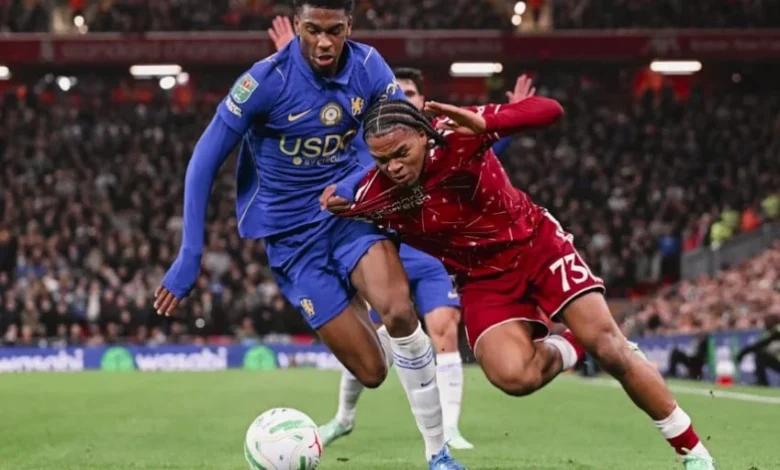
Liverpool secured their progression to the quarter-finals of the 2026/2027 English League Cup, commonly known as the Carabao Cup, following a high-stakes penalty shootout victory over Chelsea. The encounter, held at the historic Anfield stadium on Thursday, October 29, 2026, concluded with a 6-5 scoreline in the shootout after the two Premier League giants remained deadlocked at 1-1 throughout 90 minutes of regulation time. The match served as a testament to the tactical volatility of the current domestic season, pitting two sides desperate for silverware against one another in a knockout format that offered no room for error.
A Tactical Stalemate at Anfield
The atmosphere at Anfield was characteristically electric as both Liverpool and Chelsea deployed strong starting lineups, signaling the importance of the League Cup in their respective pursuit of trophies this season. From the opening whistle, the game developed into a tactical battle of attrition. Liverpool, seeking to leverage their home advantage, maintained high pressure, while Chelsea looked to exploit gaps in the transition.
The deadlock was broken in the 40th minute when Chelsea were awarded a penalty following a defensive lapse by the Liverpool backline. Morgan Rogers, displaying composure under the intense pressure of the Anfield crowd, stepped up to the spot and calmly dispatched the ball past the goalkeeper, handing the visitors a 1-0 lead. The goal appeared to shift the momentum in Chelsea’s favor, yet their advantage proved ephemeral.
Just three minutes later, the match saw a reversal of fortune. In a sequence triggered by a corner kick, Chelsea defender Wesley Fofana was adjudged to have committed a handball inside the penalty area. Cody Gakpo, the Liverpool forward, assumed responsibility for the spot-kick. With clinical precision, Gakpo leveled the score at 1-1, ensuring that both teams headed into the halftime interval on equal footing.
The Second Half and The Decisive Shootout
The second half saw both managers, Arne Slot for Liverpool and his counterpart at Chelsea, make tactical adjustments to break the stalemate. The intensity of the play increased, with both sides creating half-chances, yet the goalkeepers remained largely untroubled, with both defenses tightening their structures as the prospect of a penalty shootout loomed larger.
As the referee signaled the end of regulation time, the tie moved directly to penalties—a scenario that has become increasingly frequent in the high-pressure environment of the League Cup. The shootout was a display of nerves, with both teams converting their initial attempts with remarkable consistency. However, the turning point arrived in the final stages of the shootout.
Joe Gomez, known more for his defensive reliability than his goal-scoring exploits, stepped up to score the decisive penalty for Liverpool. The pressure then shifted to Wesley Fofana, who, having conceded the penalty in the first half, was tasked with keeping Chelsea’s hopes alive. Unfortunately for the London side, Fofana’s strike sailed over the crossbar, sealing Chelsea’s elimination and confirming Liverpool’s berth in the final eight of the competition.
Historical Context of the Carabao Cup
The English League Cup remains a pivotal tournament for clubs of the stature of Liverpool and Chelsea. For Liverpool, the trophy has often served as a launchpad for successful campaigns. Under their current management, the club has prioritized domestic cup success as a means to rotate their squad and integrate younger talents while maintaining a winning culture.
Chelsea, conversely, are currently undergoing a period of structural recalibration. For the Blues, the Carabao Cup represents a tangible opportunity to secure a trophy that could validate the ongoing project at Stamford Bridge. Their exit at this stage of the competition is a significant setback, particularly given the expectations surrounding their depth and squad quality heading into the 2026/2027 season.
Statistically, these two sides have a storied history in cup competitions, including multiple high-profile meetings in finals. This latest encounter reinforces the narrative of rivalry, where individual errors often outweigh tactical masterclasses. The handball incident involving Fofana will likely be a point of post-match scrutiny, highlighting the fine margins that define modern football.

Broader Implications for the Season
The progression of Liverpool to the quarter-finals brings them one step closer to another Wembley appearance. For the squad, this win provides a psychological boost as they navigate a congested mid-season schedule. With the team remaining competitive across multiple fronts, the ability to grind out a victory on penalties—even when not at their most fluent—is a hallmark of a resilient side.
For Chelsea, the exit necessitates a swift refocusing of efforts toward the Premier League and potential European commitments. The club’s inability to capitalize on a lead at Anfield suggests a need for greater concentration in defensive transitions. The criticism directed at the team’s consistency is reflective of a wider trend in the league, where the gap between the top tier and the rest has become increasingly blurred.
Tactical Analysis: The Role of Set Pieces
One of the most notable aspects of the match was the reliance on set-piece situations to generate goals. In modern football, where defensive structures are highly sophisticated, penalties and corners often become the primary avenues for scoring. Both goals in this encounter were the result of officiating decisions regarding the penalty area, emphasizing the importance of discipline for defenders.
Chelsea’s tactical approach under their current staff has focused on ball retention and rapid counter-attacks. While effective for long stretches of the game, the lapse that led to the handball penalty suggests that the team is still vulnerable to set-piece scenarios—a weakness that opponents will surely analyze in the coming weeks.
Liverpool’s success, meanwhile, continues to be built on their high-intensity press and the clinical nature of their forwards. The performance of Cody Gakpo, in particular, was indicative of his importance to the team’s versatility. His ability to step up in high-pressure moments provides the manager with a reliable option from the spot, a skill that is invaluable in knockout football.
Looking Ahead: The Road to the Final
With the quarter-final draw imminent, Liverpool awaits their next opponent. The competition remains fierce, with other heavyweights also vying for the title. The nature of the League Cup means that a single match can define a season’s trajectory, and for Liverpool, the objective remains clear: to add another piece of silverware to their trophy cabinet.
As for Chelsea, the focus now shifts to their upcoming league fixtures. The disappointment of the Anfield exit will be palpable, but the nature of professional football offers little time for reflection. The club’s hierarchy will likely view this as a learning experience, focusing on the development of younger players like Morgan Rogers, who showed maturity beyond his years by opening the scoring.
Conclusion: A Night of Drama at Anfield
The Liverpool-Chelsea clash was a microcosm of the drama that characterizes the English League Cup. It was a game defined by small margins, from the penalty decisions to the final miss by Fofana. While Liverpool celebrates a hard-fought victory, the match served as a stark reminder of the unpredictable nature of football.
As the 2026/2027 season progresses, both clubs will take away different lessons from this encounter. Liverpool advances with confidence, while Chelsea is left to regroup. For the fans at Anfield, it was a night that highlighted the enduring appeal of the League Cup—a competition that, despite its critics, continues to deliver some of the most compelling narratives in the sport. The road to Wembley continues, and for the remaining teams in the quarter-finals, the dream of hoisting the trophy remains very much alive.
The result also draws attention to the ongoing discussions regarding the density of the English football calendar. With players being asked to compete in multiple high-intensity matches within a short span, the physical toll is evident. Both managers will be looking to manage their squads effectively in the coming weeks, ensuring that their key personnel remain fit for the business end of the season.
In summary, Liverpool’s advancement is a result of their ability to handle the pressure of the shootout. While the game itself may not have been the most aesthetically pleasing, it was undoubtedly one of the most significant, setting the stage for an intriguing quarter-final round. The narrative of the 2026/2027 League Cup is far from over, and if this encounter is any indication, the path to the final will be anything but straightforward.